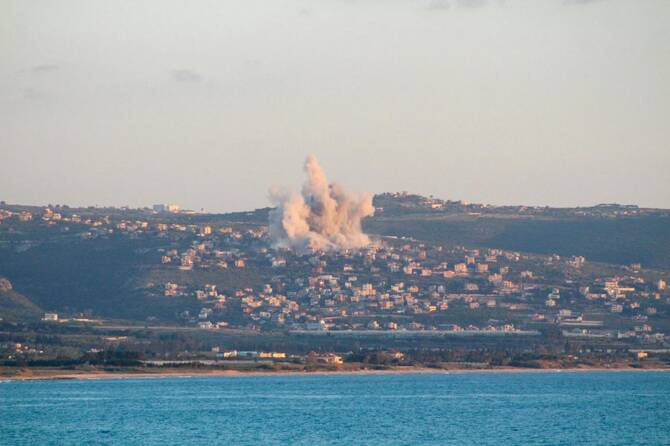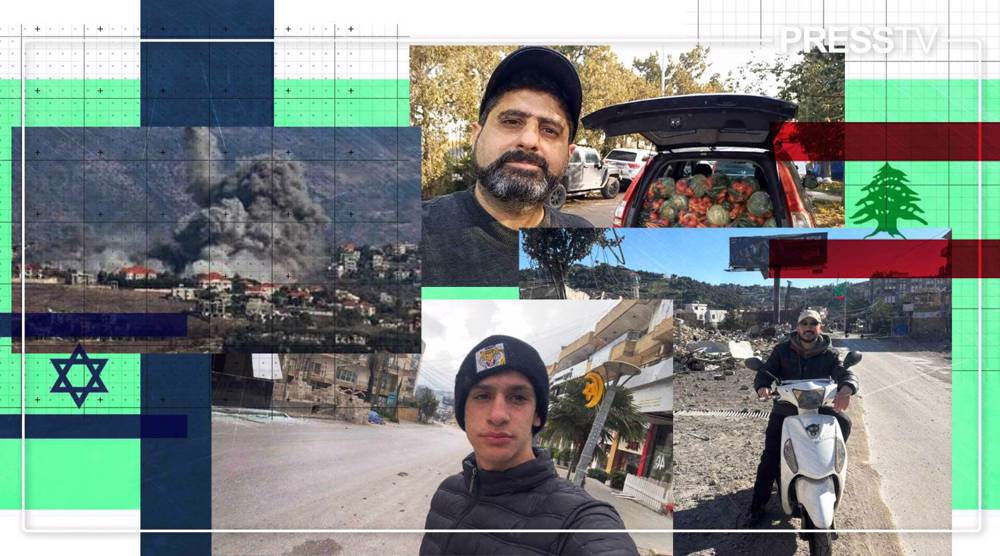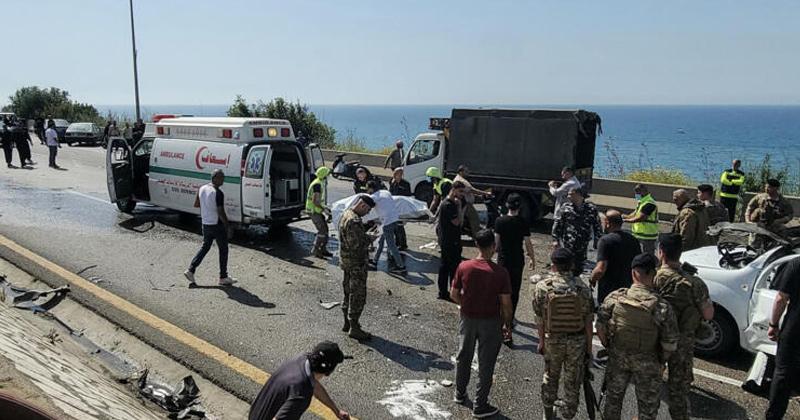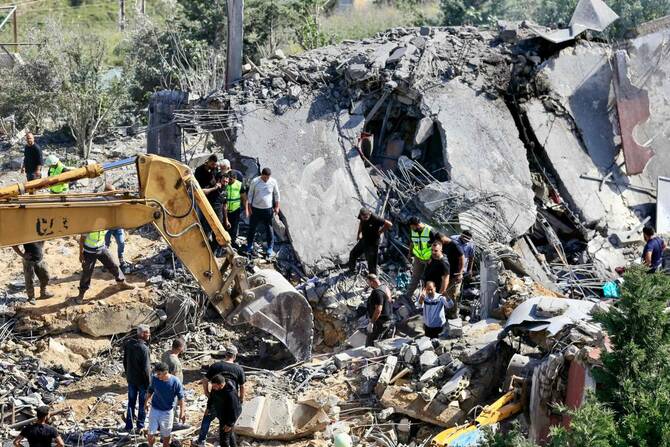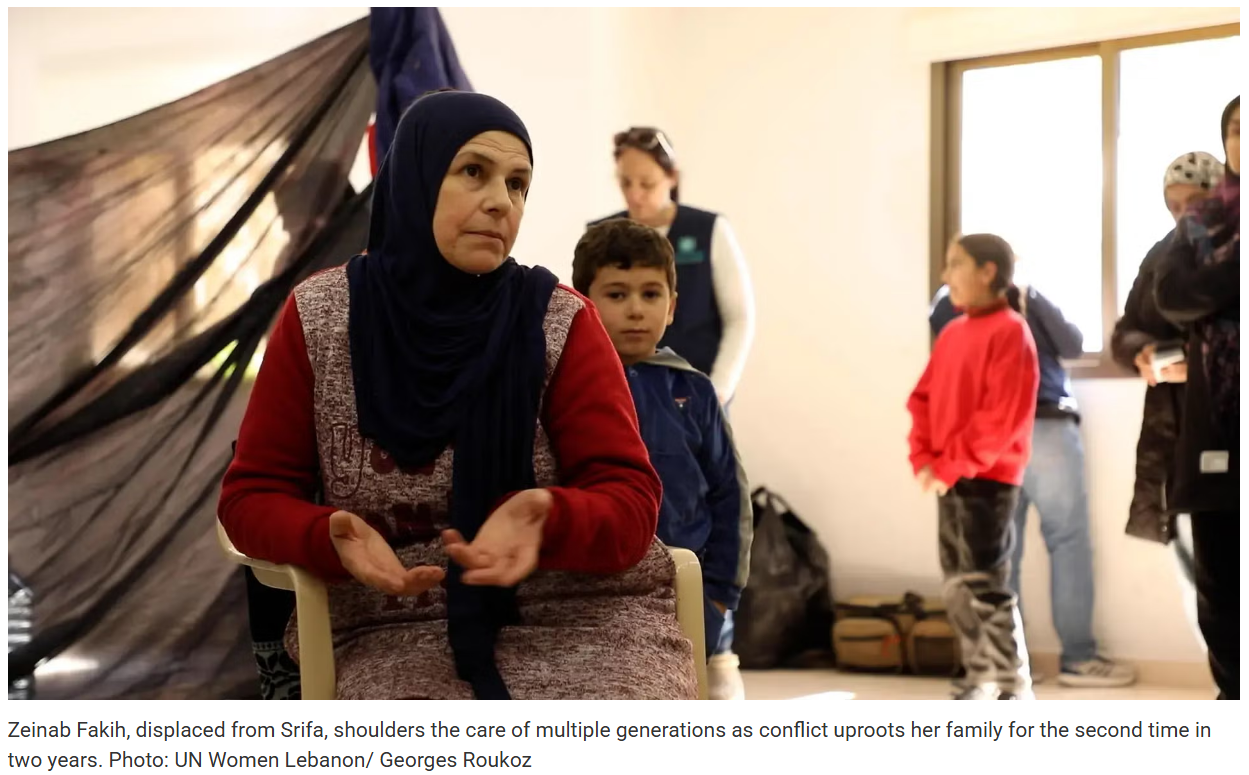
A ceasefire agreement took effect on 17 April in Lebanon, but women interviewed reported ongoing destruction of their homes. These women stated their residences in villages south of the Litani River have been destroyed despite the truce. The reports highlight the continued impact of violence on civilian infrastructure and livelihoods in affected areas, directly contradicting the intended purpose of the ceasefire. The continued targeting and destruction of civilian residences show the precarious security situation for communities, particularly those located in the southern regions of Lebanon. This persistent violence prevents a return to normalcy and exacerbates the challenges faced by displaced populations.
Humanitarian Crisis Deepens
Over the past three weeks following the ceasefire, 25 women have been reported killed and 109 reported injured in Lebanon. These figures paint a grim picture of the continued human cost of the conflict, even after the implementation of a supposed cessation of hostilities. The ongoing violence, marked by these casualties, exacerbates a deepening humanitarian crisis across the country. The devastating impact extends beyond immediate physical harm, affecting the broader well-being and stability of communities.
The crisis is particularly severe regarding food security. UN Women estimates that approximately 639,000 women and girls are expected to face crisis-level hunger or worse in the coming months. This alarming total reflects the widespread and severe food insecurity gripping the nation. This figure includes an additional 144,000 women and girls anticipated to reach this critical level of food insecurity in the near future, indicating a worsening trend. The widespread destruction has rendered some areas unrecognizable to their residents, further disrupting agricultural activities and supply chains. One woman described her village as unrecognizable due to destruction, noting the profound impact on communities and the loss of familiar environments. The destruction of homes and infrastructure, combined with displacement, makes access to food and essential services increasingly difficult for vulnerable populations.
UN Women's Response Efforts
Since March 2, UN Women has provided direct support to more than 15,000 women and girls in Lebanon. This direct assistance is key for addressing the immediate needs of those most affected by the crisis. The organization's efforts have extended their reach to over 70,000 people within these communities, addressing various needs arising from the ongoing crisis, including humanitarian aid, protection services, and livelihood support. This broad reach demonstrates the scale of the intervention required to mitigate the severe impacts.
UN Women is also actively supporting 534 women leaders. These leaders are working to help their respective communities navigate the complex challenges posed by the current situation in Lebanon, including widespread displacement and food insecurity. By empowering women in leadership roles, UN Women aims to foster community-led solutions and ensure that the voices and needs of women and girls are central to recovery efforts. These women leaders play a vital role in mobilizing local resources, advocating for their communities, and providing essential support networks. Their involvement is critical for building resilience and promoting sustainable recovery in affected areas.
Call for Lasting Peace
More than an estimated half a million women and girls remain displaced in Lebanon due to Israeli airstrikes, evacuation orders, bans to return, and movement restrictions. This massive displacement places immense pressure on host communities and humanitarian resources, creating a complex web of challenges. The ongoing situation has led to severe challenges for affected communities, including inadequate shelter, limited access to healthcare, and profound psychological distress. The disruption to livelihoods and education has long-term consequences for the future of these individuals and the country as a whole.
The acute food insecurity faced by many is starkly illustrated by individual stories. One woman reported being forced to forage for wild herbs to feed her family, showing the desperate measures people are resorting to in order to survive. This personal account notes the severity of the hunger crisis and the breakdown of traditional food systems. UN Women has stated that the ceasefire must be fully upheld and transitioned to full peace. This commitment, the organization added, should align with international humanitarian law, international law, and women, peace, and security commitments to ensure stability and protection for all residents. A durable peace is essential not only to prevent further casualties and destruction but also to enable displaced populations to return home safely and begin the long process of rebuilding their lives and communities. Without a lasting peace, the humanitarian crisis will continue to deepen, with women and girls bearing a disproportionate share of the burden.