Lebanese Prime Minister Nawaf Salam led a ministerial delegation to Syria on Saturday, May 9, 2026, for talks aimed at addressing long-standing bilateral issues. The discussions focused on critical areas including border security, smuggling, the status of detainees, the return of Syrian refugees, economic cooperation, and transport links between the two countries. This full agenda showed the multifaceted nature of the relationship between Beirut and Damascus and the determination of both governments to tackle a range of pressing concerns.
Prime Minister Salam conveyed that the delegation found "significant progress in addressing our shared issues, especially those that had remained unresolved." He described the atmosphere of the talks as a "positive spirit," indicating that both sides engaged "without reservation or hesitation." The Lebanese Prime Minister noted the frank and open exchange of views, which he believes was key for moving forward on sensitive topics. Salam expressed optimism for "tangible results," particularly regarding the "safe and dignified" return of Syrian refugees, a matter of critical importance for Lebanon. He further elaborated that the constructive dialogue laid a strong foundation for future cooperation and problem-solving.
Key Agreements Reached
The Lebanese and Syrian delegations reached several agreements aimed at enhancing bilateral cooperation and resolving long-standing issues. Both sides committed to tightening control along their shared porous border and intensifying efforts to combat smuggling activities. This commitment is a direct response to the significant challenges posed by illicit cross-border trade and movement, which have impacted both nations' economies and security. The agreement to bolster border security measures reflects a shared understanding of the need to regulate and control the flow of goods and people more effectively. A key outcome of the discussions was the agreement to facilitate the movement of both travelers and goods through official border crossings, streamlining passage between the two nations. This measure is expected to reduce delays, enhance legitimate trade, and improve the overall efficiency of cross-border interactions for citizens and businesses alike.
Discussions also encompassed a broader range of logistical and economic matters, including land transport, the optimal functioning of border crossings, and infrastructure development. Specific attention was given to the rehabilitation of border bridges, which are vital for connectivity, and addressing customs-related obstacles that have historically impeded trade flows. The deterioration of these critical infrastructure components has long been a bottleneck for commerce and travel, and their restoration is seen as a key step towards economic revitalization. The delegations deliberated on the complex issues of transit fees and tariffs currently imposed on exports, seeking mutual solutions to ease the burden on commerce. These fees have often been cited as a barrier to trade, and their review is expected to foster a more conducive environment for economic exchange between the two countries. The aim was to create a more equitable and predictable framework for commercial activities, benefiting producers and consumers in both Lebanon and Syria.
To ensure consistency and quality in traded goods, Beirut and Damascus agreed to strengthen cooperation on technical standards and laboratory inspections. This measure is intended to harmonize regulations and facilitate legitimate trade, reducing potential disputes and building trust between economic partners. Such standardization is vital for ensuring that products meet international benchmarks and for protecting consumers. The possibility of a natural gas transit agreement was also a significant topic of discussion, indicating potential future energy collaboration between the two countries. This potential agreement could offer a new avenue for energy supply and revenue for both nations, contributing to regional energy security. Additionally, plans to establish a joint Lebanese-Syrian business council were notably accelerated. This council is now expected to convene its inaugural meeting in Damascus in the coming weeks, signaling a renewed push for private sector engagement and economic partnership. The council is envisioned as a platform for businesses from both sides to identify opportunities, overcome challenges, and foster joint ventures, thereby driving economic growth and integration.
Addressing Humanitarian Concerns
Dialogue between Lebanon and Syria stressed the "safe and dignified" return of Syrian refugees from Lebanon, alongside discussions on regulating Syrian labor within Lebanese borders. Lebanese Prime Minister Nawaf Salam emphasized the importance of these issues in recent bilateral talks. He reiterated Lebanon’s commitment to facilitating the return of those who wish to go back to their homes in Syria, while also ensuring that their return is conducted under humane and respectful conditions. The regulation of Syrian labor in Lebanon is also a critical point, aiming to formalize employment and address concerns related to the informal economy and labor market pressures.
An agreement signed in February facilitates the transfer of Syrian prisoners held in Lebanese jails to Syria, marking a step towards resolving a long-standing humanitarian concern. This agreement provides a structured mechanism for addressing the judicial status of these individuals and ensures their transfer in accordance with international norms. The broader discussions between the two nations also included efforts to determine the fate of missing and forcibly disappeared individuals in both countries. This initiative addresses a sensitive historical issue for both sides, reflecting a mutual desire to bring closure to affected families. The commitment to investigating these cases shows the humanitarian dimension of the bilateral talks and the shared responsibility to account for those who vanished during periods of conflict and instability.
Thousands of Lebanese are believed to have gone missing in Syria during Lebanon's 1975-1990 civil war and subsequent occupation period, which lasted until 2005. Resolving these cases remains a significant humanitarian priority for Lebanon, with families continuing to seek answers and justice. Similarly, Syria has its own concerns regarding missing persons, and the joint effort aims to provide a full approach to this painful legacy. The discussions acknowledged the deep emotional and societal impact of these unresolved cases, and both delegations expressed their commitment to working collaboratively to achieve progress.
Lebanon currently hosts over a million Syrian refugees, a demographic reality that has placed considerable strain on the country's resources and infrastructure. This substantial refugee population has created significant social, economic, and environmental challenges for Lebanon, a country already grappling with its own internal crises. The discussions between the Lebanese and Syrian delegations aimed to address the complex challenges associated with this large refugee population. Prime Minister Salam reiterated the commitment to ensuring a "safe and dignified" return for these refugees, showing the humanitarian principles guiding these negotiations. The focus on both refugee returns and the regulation of Syrian labor in Lebanon notes the interconnected nature of these humanitarian and economic challenges, recognizing that sustainable solutions require a coordinated approach from both governments. The sheer scale of the refugee presence necessitates ongoing dialogue and practical measures to manage the situation effectively.
Context and Future Outlook
The Lebanese delegation met with Syrian President Ahmed al-Sharaa in Damascus during the recent visit. This high-level diplomatic engagement signifies the importance both nations place on rebuilding their relationship. This diplomatic engagement is part of a broader effort to reset Lebanese-Syrian relations, particularly following the ouster of President Bashar al-Assad in December 2024. The change in leadership in Syria has opened new pathways for dialogue and cooperation, allowing for a fresh start in bilateral ties. The discussions also encompassed energy cooperation, focusing on improvements to electricity interconnection that would facilitate Lebanon’s import of power through Syria. Lebanon has been suffering from a decades-long electricity crisis, making such cooperation vital for its infrastructure and daily life. The chronic power shortages have crippled industries and severely impacted the quality of life for Lebanese citizens, making reliable electricity supply a top national priority.
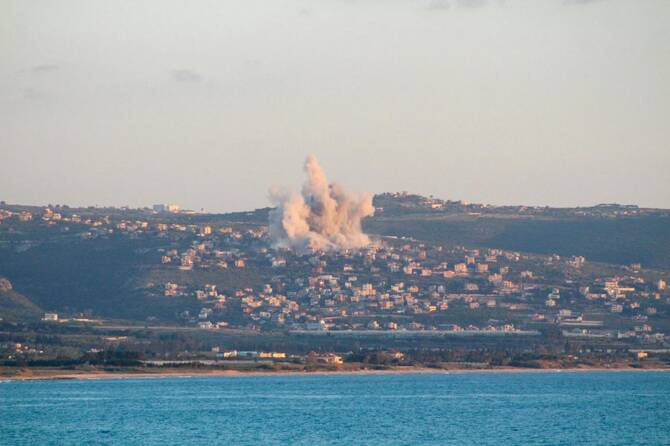
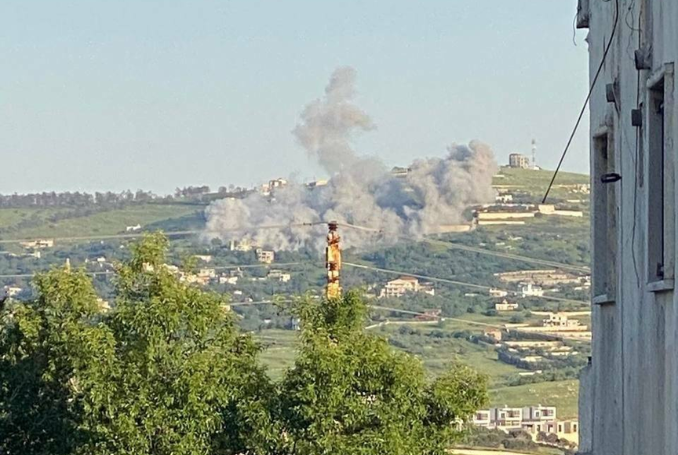
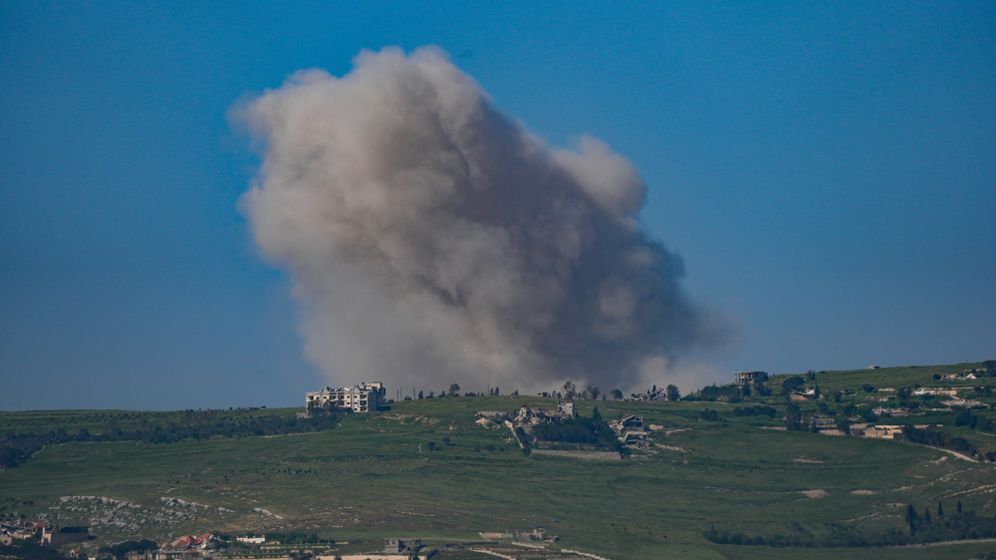
The delegations committed to intensifying the work of joint technical committees and ministerial-level coordination to ensure the continued progress of bilateral initiatives. This structured approach is designed to translate the agreements reached into tangible actions and to monitor their implementation effectively. A notable development noted during the talks was the return of many Syrian refugees since fighting resumed between Hezbollah and Israel two months ago. This ongoing movement of people adds a new layer of urgency to the discussions on refugee affairs, as regional instability continues to influence displacement patterns. The Lebanese delegation that visited Damascus included the deputy prime minister, alongside the ministers of Public Works and Transport, Energy and Water, and Economy and Trade, showing the broad scope of the talks and the multi-sectoral approach adopted by the Lebanese government. The inclusion of these key ministerial portfolios indicates the full nature of the discussions, covering vital economic, infrastructure, and energy sectors.
Syria's civil war, which began in 2011, has severely impacted its infrastructure, and its energy sector, in particular, has been battered by the conflict. The widespread destruction and disruption caused by the war have left Syria's energy infrastructure in dire need of rehabilitation and modernization. The efforts to improve electricity interconnection are key for both nations, as they seek to rebuild and stabilize their respective energy supplies, fostering regional energy resilience. For Lebanon, securing additional power sources through Syria would represent a significant step towards alleviating its persistent electricity crisis. For Syria, cooperation on energy infrastructure could contribute to its post-conflict recovery efforts. The high-level participation from Lebanon reflects the country's commitment to addressing multi-faceted challenges with its neighbor, recognizing that stability and prosperity in one nation are often linked to the other. This renewed engagement signals a strategic effort to overcome past difficulties and forge a more cooperative future for the benefit of both Lebanese and Syrian populations.