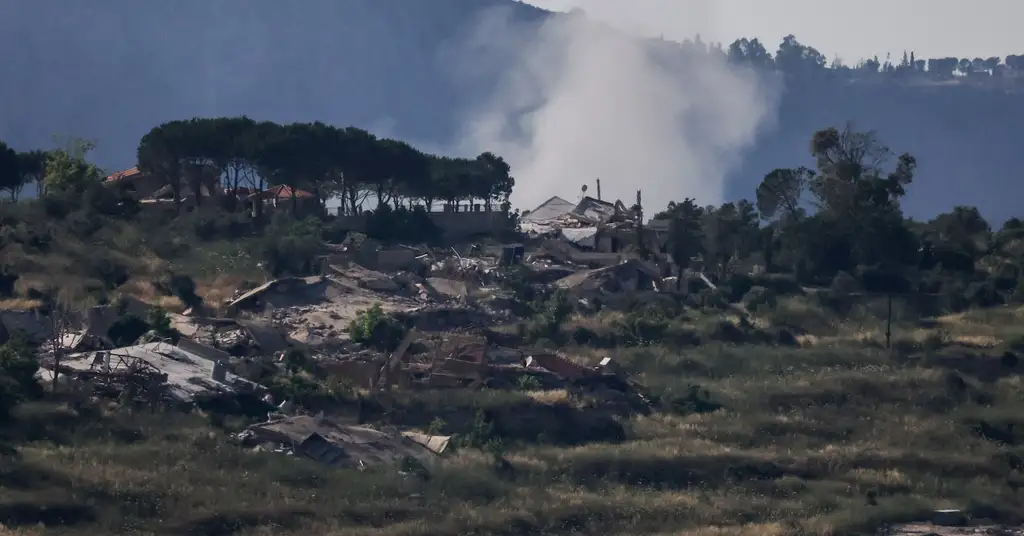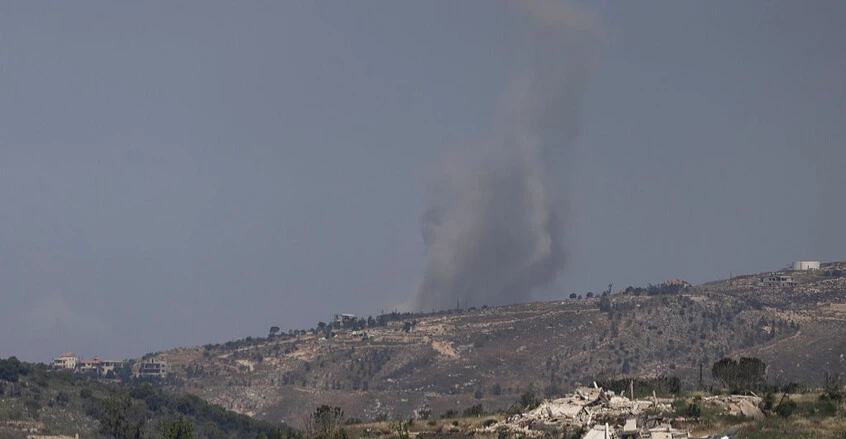
The Israeli military intensified airstrikes and artillery bombardment across southern and eastern Lebanon on Thursday. This escalation followed a series of operations announced by Hezbollah, which targeted Israeli troops and military positions, signaling a significant uptick in cross-border hostilities. The exchange of fire shows the volatile security situation along the shared border.
Israeli Bombardment Intensifies
Israeli warplanes and drones conducted dozens of strikes on villages across southern Lebanon. These attacks targeted locations in the districts of Nabatieh, Tyre, Bint Jbeil, Zahrani, Jezzine, Sidon, and Hasbaya. The operations marked a significant increase in aerial activity within these regions, with residents reporting extensive damage and widespread impact. The precision and frequency of these aerial assaults have raised concerns about the humanitarian situation in the affected areas. The Israeli military's actions represent a concentrated effort to target various sites within southern Lebanon, utilizing both manned aircraft and unmanned aerial vehicles.
In eastern Lebanon, additional airstrikes were reported, further expanding the geographical scope of the Israeli military's operations. Areas specifically targeted included districts in Baalbek and West Bekaa, extending the reach of the Israeli bombardment beyond the immediate border zone. The intensification of these strikes followed earlier escalations reported along the border, indicating a broadening and deepening of the military engagement. These strikes in eastern Lebanon suggest a strategic decision to target areas further inland, potentially aiming at infrastructure or assets located away from the immediate front lines.
Hezbollah's Response Operations
Hezbollah stated it carried out 19 operations since the morning against concentrations of Israeli soldiers, military vehicles, and deployment points in several villages occupied by Israeli forces. The group reported targeting Israeli military vehicles and positions in Bint Jbeil, Yahmar al-Shaqif, Zoutr El Charkiyeh, Rashaf, Tayr Harfa, Qawzah, and Naqoura. These operations reportedly utilized rockets, artillery fire, and explosive drones, demonstrating a multi-pronged approach to their attacks. Hezbollah's actions come amidst intensified Israeli airstrikes and artillery bombardment across southern and eastern Lebanon throughout Thursday. The group's statement detailed its tactical responses to the ongoing military engagements along the border region, indicating a coordinated effort against Israeli military assets and personnel. The use of various munition types notes the group's capabilities and its intent to inflict damage on Israeli forces.
Context and Casualties
Hezbollah stated its attacks were conducted in response to what it characterized as Israeli violations of the ceasefire agreement and assaults on villages that led to civilian casualties. The group’s operations specifically target Israeli military concentrations, vehicles, and deployment points, asserting a retaliatory motive for their actions. This claim by Hezbollah frames their operations as a direct reaction to perceived Israeli transgressions, further fueling the cycle of violence.
Meanwhile, the Lebanese Health Ministry reported a significant toll from the ongoing hostilities. According to ministry figures, 3,696 people have been killed and 11,413 wounded in Israeli military operations since hostilities resumed on March 2. These casualties include women and children, noting the devastating impact of the conflict on the civilian population across the affected regions. The substantial number of reported casualties shows the severe human cost of the renewed military engagements, with a significant portion of those affected being non-combatants. The ministry's data provides a stark measure of the conflict's intensity and its tragic consequences for the Lebanese populace.