Lebanese President Joseph Aoun declared that Lebanon's future rests with its own citizens, not external powers, as Beirut navigates regional tensions and its diplomatic path. Aoun stated, "The future of Lebanon is in the hands of the Lebanese, not Iran – nor Israel." This powerful assertion shows a commitment to national self-determination amidst complex geopolitical pressures. This stance comes amid reports that Tehran was irritated by Beirut’s decision to negotiate with Israel independently, which Iran viewed as removing a significant bargaining chip in broader regional discussions. Iran is reportedly pursuing a campaign to keep Lebanon as the last bulwark of influence on the Mediterranean, making Beirut's independent diplomatic moves particularly significant.
President Aoun emphasized Lebanon's sovereignty, asserting, "Cooperation with Iran is one thing, but we do not accept Iranians dictating to us. We are a sovereign state. Iran cannot speak for us. We will not accept Lebanon becoming a battleground for others’ wars." This firm declaration notes Lebanon's determination to maintain its autonomy. Iran is reportedly attempting to link Lebanon's situation to a broader agreement with Washington, seeking to end Hezbollah’s conflict with Israel on its own terms and thereby tying Lebanon's fate to a broad deal with Washington. Aoun affirmed his commitment to diplomacy, stating, "I am firmly committed to continuing the diplomatic path. There is no military solution. We have no choice but to pursue negotiations to end this conflict, and Israel also does not have such an option either." This commitment to a diplomatic resolution is a cornerstone of Lebanon's current foreign policy.
Aoun's Assertions of Sovereignty
President Joseph Aoun has consistently asserted Lebanon's sovereign status, declaring it will not accept dictates from Iran or serve as a proxy battleground for external powers. "Cooperation with Iran is one thing, but we do not accept Iranians dictating to us," Aoun stated unequivocally. "We are a sovereign state. Iran cannot speak for us. We will not accept Lebanon becoming a battleground for others’ wars." This declaration reinforces Lebanon's intent to chart an independent course amidst regional pressures and shows the nation's refusal to be drawn into conflicts that do not serve its own interests. The President’s statements reflect a clear policy of prioritizing Lebanese national interests above all else.
Aoun further emphasized his unwavering commitment to diplomatic solutions, rejecting military options for the ongoing conflict along the border. "I am firmly committed to continuing the diplomatic path," he confirmed. "There is no military solution. We have no choice but to pursue negotiations to end this conflict, and Israel also does not have such an option either." His statements show a push for de-escalation through dialogue, advocating for a peaceful resolution to the protracted tensions. This stance signals a strategic shift towards negotiation, recognizing the futility and devastating consequences of continued armed confrontation.
This position comes as Iran reportedly pursues a strategy to maintain Lebanon as a significant sphere of influence on the Mediterranean, aiming to preserve its strategic leverage in the region. Aoun’s assertions highlight a significant divergence from any perceived external control over Lebanon's foreign policy, directly challenging the notion that its fate should be determined by other regional actors. He reiterated that "The future of Lebanon is in the hands of the Lebanese, not Iran – nor Israel," emphasizing national self-determination and the right of the Lebanese people to chart their own destiny. This principle forms the bedrock of Beirut's current diplomatic approach, seeking to empower its own citizens in shaping the nation's future.
Mediated Talks and Regional Stakes
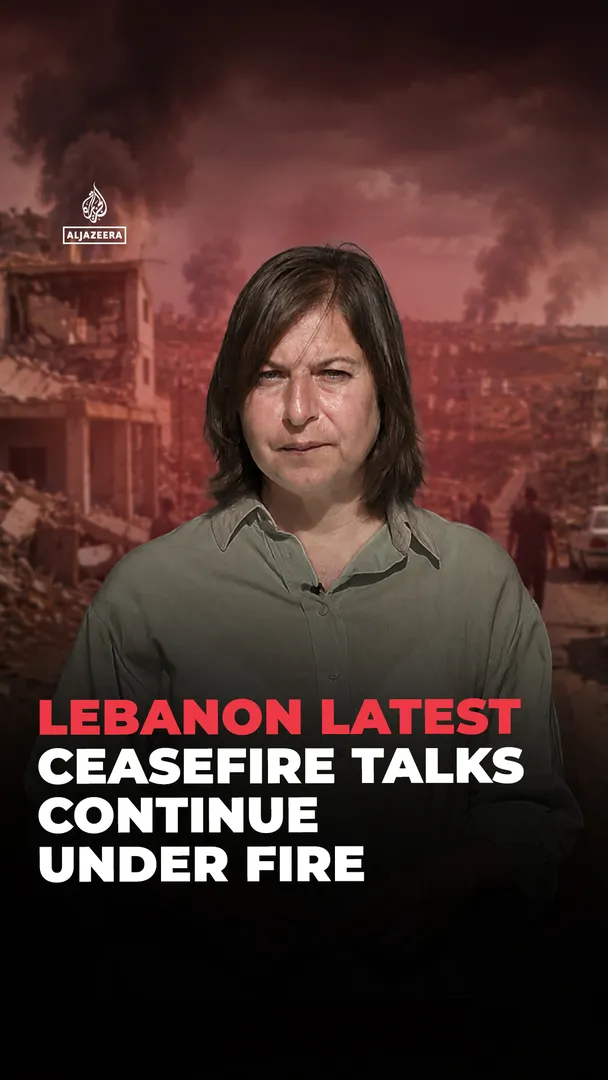
The United States is actively mediating talks between Lebanon and Israel aimed at ending decades of conflict along their shared border. These diplomatic efforts represent a critical juncture for regional stability. Beirut demands a long-term ceasefire as the fundamental basis for discussions, which would lead to a full Israeli withdrawal from Lebanese territories and the safe return of hundreds of thousands of displaced individuals to their homes. This full approach seeks to address both security concerns and humanitarian needs arising from the prolonged conflict.
Israel, conversely, seeks a disarmed Hezbollah, at least in southern Lebanon, and confirmation of its elimination as a military force before it would consider relinquishing occupied territories. The US proposal for a resolution envisioned a ceasefire contingent on Hezbollah’s disarmament and withdrawal from southern Lebanon as a foundational first step, setting clear conditions for any progress. Lebanese officials described these talks with Israel as "difficult," noting the significant obstacles and deep-seated disagreements that must be overcome.
Beirut has proposed parallel trajectories for future meetings: an Israeli withdrawal from all Lebanese territories and a gradual expansion of the Lebanese state apparatus’s authority throughout the southern border region. This two-pronged approach aims to restore full Lebanese sovereignty and administrative control. A Lebanese source familiar with Hezbollah’s position stated that the Washington trajectory could prove fruitless because Israel refuses to halt its offensive, and Lebanon’s delegation lacks a mandate to represent Hezbollah in these specific discussions. According to this source, real negotiations will only commence after a ceasefire emerges within the broader US–Iran deal, suggesting that the fate of the Lebanese-Israeli conflict is intertwined with larger regional power dynamics.
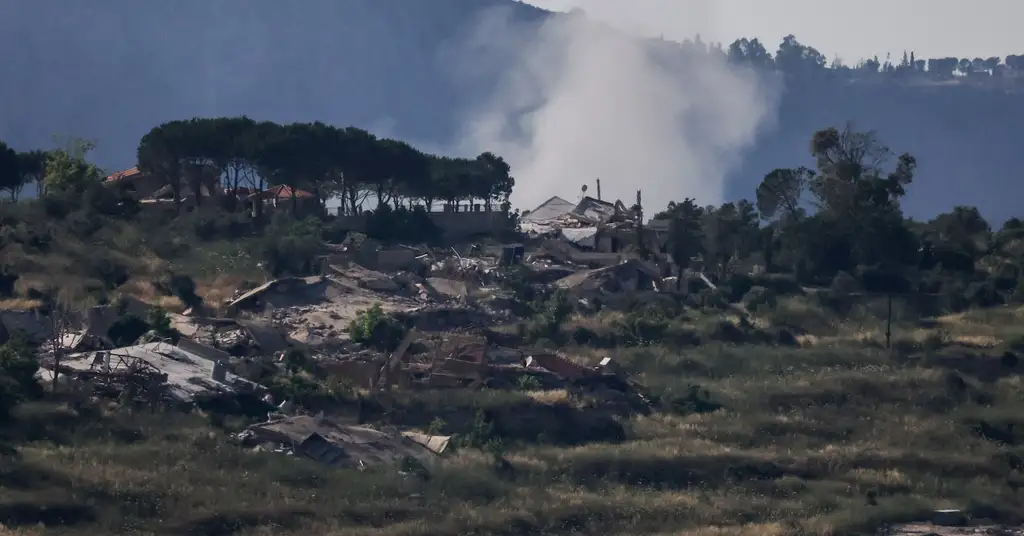
An Iranian strike against Israel this week marked the first time Iran directly intervened in the Hezbollah–Israel war, escalating regional tensions and adding another layer of complexity to the ongoing diplomatic efforts. This direct intervention shows the broader geopolitical context in which the Lebanese-Israeli conflict is situated. Lebanon has become increasingly important to Iran since the ouster of Syrian President Bashar al-Assad in late 2024, altering the balance of power in the region. Andreas Krieg described Lebanon as Iran’s "zero point of leverage," serving as the main front against Israel and a key base of operations across the wider region for Iranian influence. This strategic importance further complicates Beirut's efforts to assert its independent diplomatic course.
Internal Consensus and External Pressures
Foreign Minister Marco Rubio accused Iran of attempting to obstruct ongoing talks this month, noting the external pressures that Beirut faces in its pursuit of a peaceful resolution. Despite these significant external pressures, a rare domestic consensus has emerged within Lebanon, extending beyond the Shiite community, favoring an independent national path free from Iranian influence. This internal agreement bolsters Beirut's position in negotiations, further strengthened by growing backing from Western and Arab countries, providing a key foundation for its diplomatic initiatives. This broad support signals a unified Lebanese front against foreign interference.
Hezbollah, however, publicly rejected direct talks with Israel, describing such contacts as "shameless" and undermining Lebanese sovereignty. The group also rejected the proposed plan, characterizing it as a surrender to Israeli terms and a capitulation to enemy demands. This unyielding stance from Hezbollah introduces additional complexity to diplomatic efforts aimed at de-escalation, as their participation or acquiescence is often seen as key for any lasting agreement. Analysts suggest that further delay in reaching an agreement risks entrenching a new reality in southern Lebanon, which could complicate the return of significant Shiite groups to the area and potentially lead to a demographic shift. This potential for a new status quo adds urgency to the ongoing negotiations, as the consequences of inaction could be profound and long-lasting for the region.