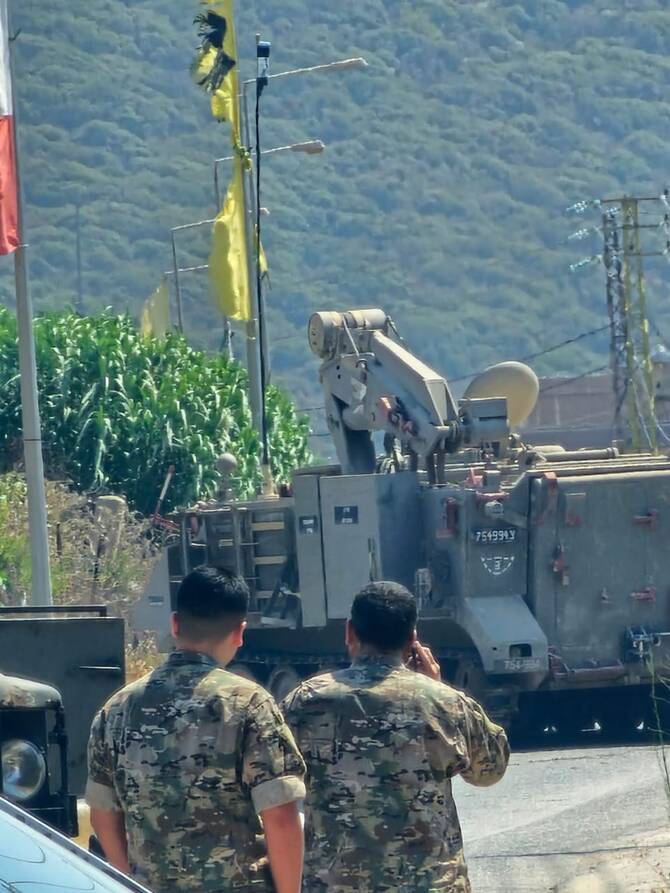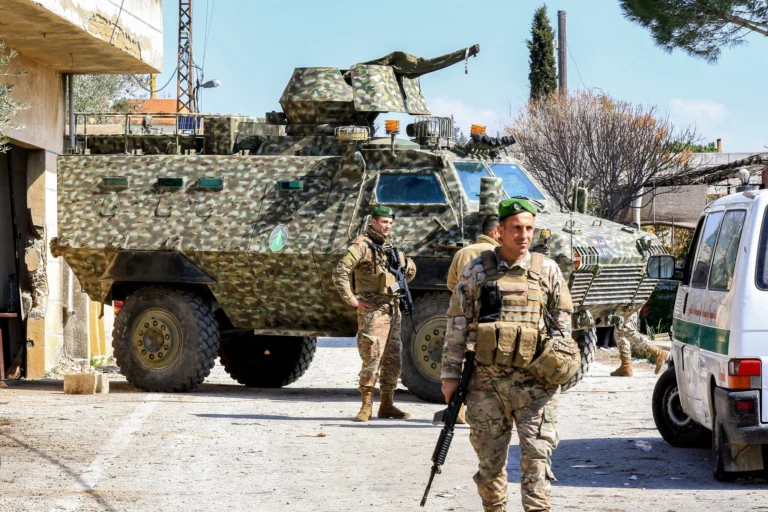
A Lebanese soldier was tragically killed and two others were injured following a powerful explosion in Mansouri, a village strategically located in southern Lebanon. This grave incident occurred amidst ongoing reports of Israeli ceasefire violations in the region, according to statements from local authorities. The blast marks a significant escalation in the already heightened tensions along the border, raising serious concerns about regional stability and the safety of both military personnel and civilians.
Deadly Blast Near Army Vehicle
The Lebanese Army officially reported that the blast, which tragically resulted in the death of one soldier and caused injuries to two others, occurred in close proximity to an army vehicle. The incident took place specifically in Mansouri, a coastal village in southern Lebanon, further showing the volatile security situation in the area. Local authorities have explicitly indicated that the explosion happened amid continuing reports of Israeli ceasefire violations in the area, suggesting a pattern of instability. The precise circumstances surrounding the detonation near the military vehicle are currently undergoing a thorough investigation by Lebanese military authorities. This grave event contributes significantly to the heightened tensions observed across the entire border region, prompting calls for de-escalation and adherence to international norms. The loss of life and injuries sustained by military personnel show the dangerous environment in which Lebanese forces operate.
Schools Targeted in Southern Lebanon
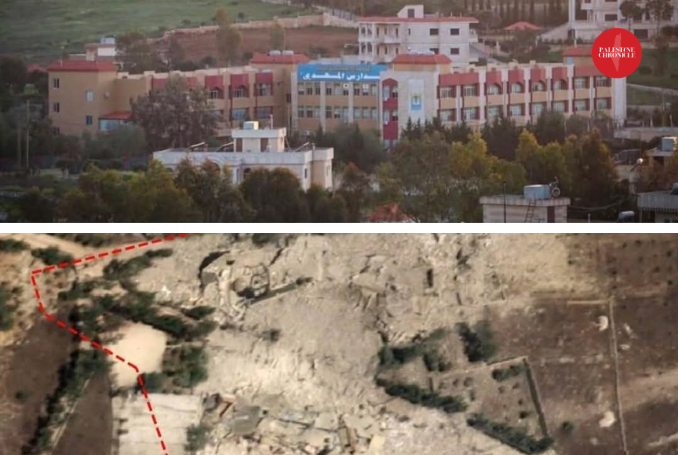
In a separate but equally concerning development, Lebanon’s Education and Higher Education Minister Rima Karami has accused Israeli forces of looting and systematically demolishing three schools in southern Lebanon. According to Minister Karami, these alleged actions by Israeli forces have inflicted extensive and significant damage to vital educational infrastructure throughout the region. Two of the schools reported as destroyed were located in Khiam, a historical town in southern Lebanon, which has frequently been a flashpoint in past conflicts. The third school that was completely destroyed was situated in Bint Jbeil, another prominent location in southern Lebanon, known for its resilience. Among the structures specifically affected, the Al Mahdi High School in Bint Jbeil was tragically reduced to rubble, rendering it completely unusable for its students and staff. This incident follows broader reports of escalating tensions in the border area, where civilian infrastructure is increasingly bearing the brunt of hostilities. The Minister's statement notes profound concerns over the direct impact of ongoing hostilities on essential civilian infrastructure and services, particularly the critical sector of education, within southern Lebanese communities. The widespread destruction of these educational facilities directly impacts the ability of thousands of students to continue their schooling in the affected areas, disrupting their futures and exacerbating the humanitarian situation.
International Law and Condemnation
The targeting and destruction of educational institutions like schools carry significant weight under international humanitarian law. Schools, along with hospitals, educational centers, and sports facilities, are specifically afforded special protection under these laws, designed to safeguard civilian life and infrastructure during armed conflict. The Islamic Institution for Education and Teaching swiftly condemned the destruction of Al Mahdi High School in Bint Jbeil, issuing a strong statement that unequivocally declared the targeting of educational institutions constitutes "a full-fledged crime." The institution further elaborated that such actions represent a deliberate attempt to deprive future generations of their fundamental right to education, a cornerstone of societal development and stability. This condemnation shows the global outrage that such deliberate destruction of civilian infrastructure, especially those dedicated to learning, can provoke. The international community often views such acts as severe violations of the principles governing warfare and calls for accountability for those responsible.