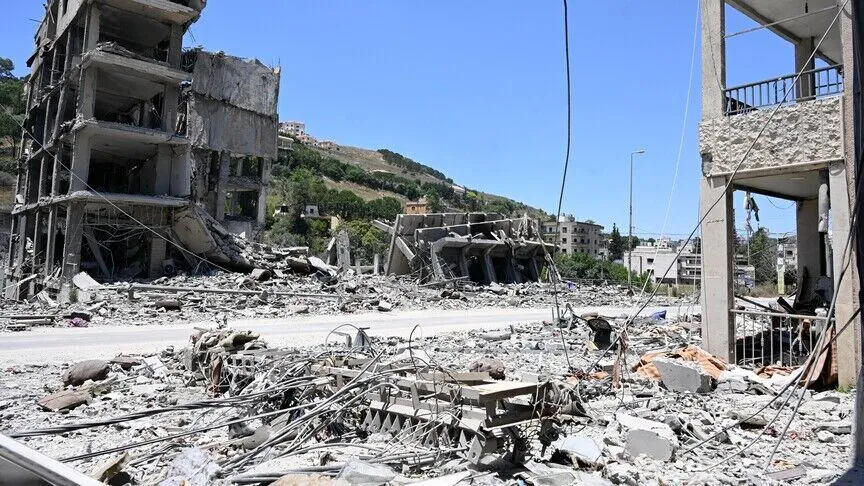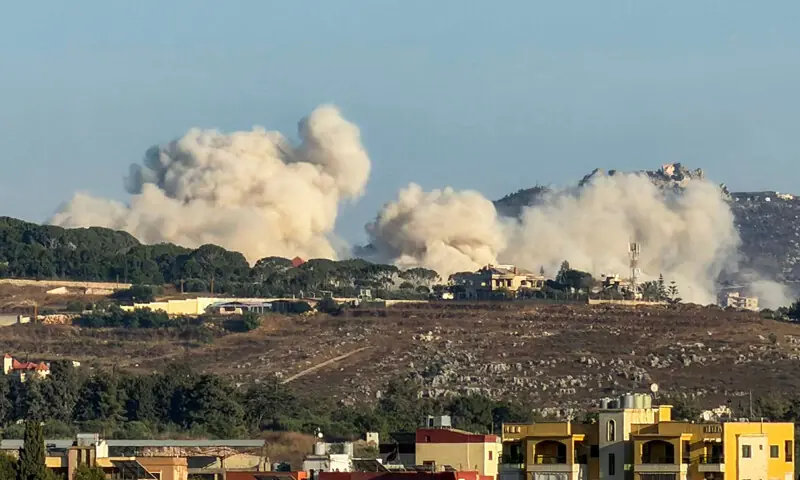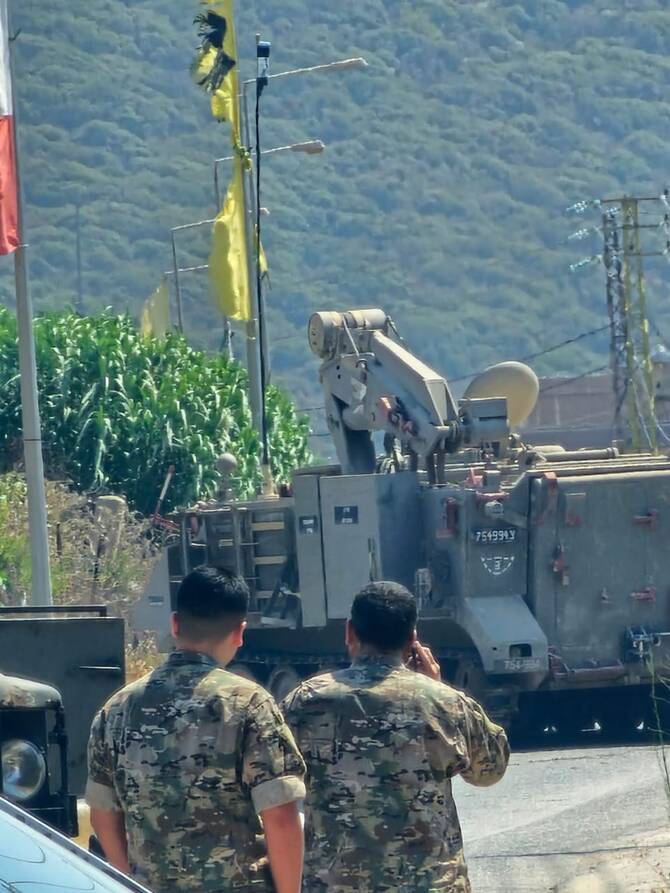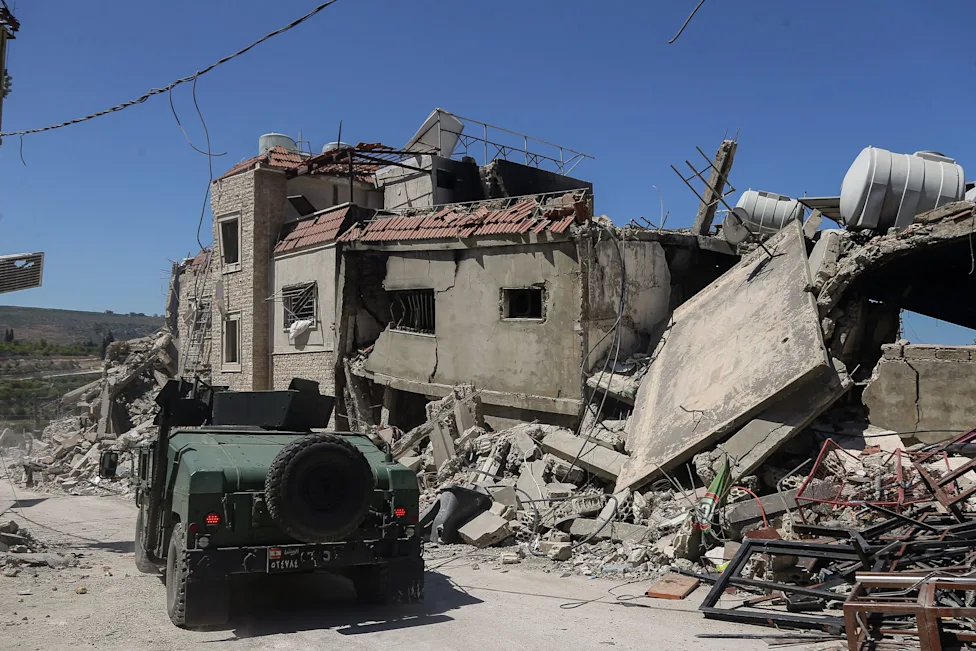
A Lebanese soldier was killed in southern Lebanon after an explosive device detonated in a military vehicle. The incident, which resulted in the death of one soldier, occurred in the village of Mansouri, located south of the coastal city of Tyre. The tragic event has reignited tensions and drawn immediate reactions from both Lebanese and Israeli authorities, noting the fragile security situation in the region.
Israeli officials stated that their troops had not been operating recently in Mansouri, a village situated in a sensitive area of southern Lebanon. This statement aimed to clarify any potential involvement of Israeli forces in the direct vicinity of the explosion. The incident has prompted differing accounts from the involved parties, contributing to the complexity of the ongoing security challenges.
Differing Accounts Emerge
The Lebanese military described the incident as having been caused by a "suspicious object" found inside a military vehicle. The blast, which proved fatal for the soldier, is currently under investigation by Lebanese authorities. This official statement from the Lebanese military focused on the immediate cause of the explosion without attributing blame.
In contrast, the Israeli military presented a different perspective. Following the incident, the Israeli military stated that the bomb that killed the soldier had "most likely" been planted by Hezbollah. This accusation points directly to the powerful political and military group in Lebanon, suggesting a deliberate act.
Hezbollah, a powerful political and military group in Lebanon, has not issued any public statements or comments regarding the incident in Mansouri. The group's silence on the matter comes amidst heightened scrutiny and ongoing regional dynamics. The lack of an immediate response from Hezbollah leaves many questions unanswered regarding their potential involvement or knowledge of the explosive device.
Broader Security Context
The incident in Mansouri unfolds within a broader and highly sensitive security context in southern Lebanon. As part of ongoing negotiations for a ceasefire between Israel and Hezbollah, Israeli forces are slated to withdraw from two specified areas in southern Lebanon. These negotiations are key for de-escalating tensions along the border.
The Lebanese army is subsequently expected to assume control of these designated "pilot zones" following the Israeli withdrawal. This transition of control is a key component of the proposed ceasefire agreement. The Israeli withdrawal from these two zones is viewed as a significant test of the Lebanese army's capacity to assert effective control over southern Lebanon. The ability of the Lebanese army to maintain stability and prevent hostile activities in these areas will be closely watched by regional and international observers. The Mansouri incident, therefore, casts a shadow over these planned security transitions and raises concerns about the potential for further instability.
US-Mediated Disarmament Talks
The diplomatic efforts to stabilize the region are also ongoing, with high-level meetings taking place. Lebanese President Joseph Aoun is currently in Washington at the invitation of US President Donald Trump. During his visit, President Aoun is seeking to disarm Hezbollah under pressure from the United States. The US administration has long advocated for the disarmament of non-state actors in Lebanon to strengthen the central government's authority.
Hezbollah has firmly rejected this proposal to disarm. The group's rejection comes amid ongoing regional tensions and domestic political complexities within Lebanon, where Hezbollah plays a significant role in the political landscape. The group views its armed presence as essential for national defense, a stance that complicates any disarmament efforts.
Potential Unpleasant Consequences
The Israeli military reiterated its claim that the bomb that killed the soldier had "most likely" been planted by Hezbollah, emphasizing their assessment of the incident. This accusation, if proven, could have significant repercussions for the fragile stability of the region and the ongoing ceasefire negotiations.
In response to the evolving security situation, the Lebanese army has already increased its presence in several southern towns. This heightened military presence is a measure to reinforce security and maintain order in the aftermath of the explosion and amid the broader regional tensions. The United States is actively mediating talks between Lebanon and Israel, which led to an agreement on Israel's withdrawal from the two specified zones. These mediation efforts are critical for preventing further escalation and fostering a more stable environment in southern Lebanon. The recent incident shows the delicate balance of power and the constant threat of renewed conflict in the area.