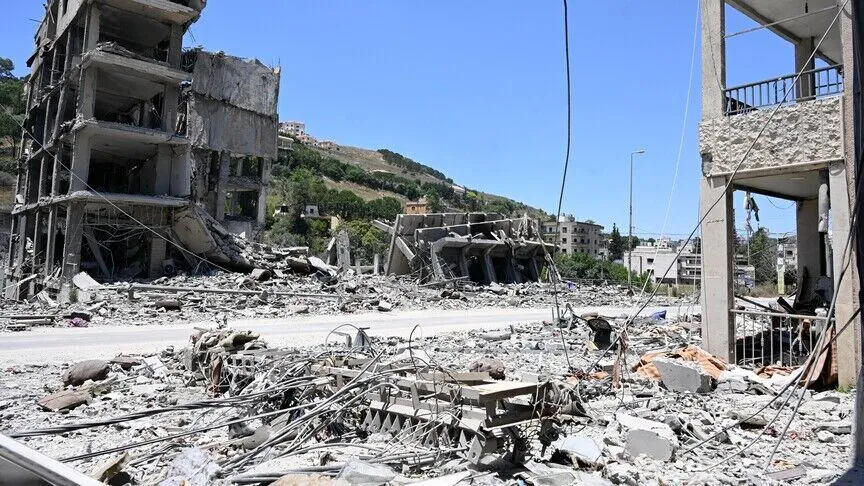
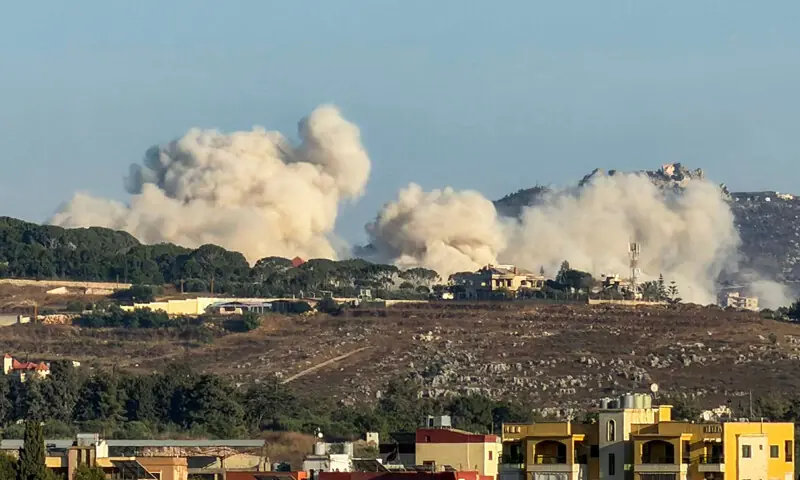
Israeli forces recently destroyed three more schools in south Lebanon. The destruction of these educational facilities is expected to further disrupt schooling in the region, exacerbating an already dire educational crisis. This incident adds to concerns about the impact on learning environments for children in the affected areas, raising alarms among humanitarian organizations and international bodies. The deliberate destruction of these institutions shows the profound challenges facing Lebanese children and their communities.
Escalating School Destruction
The destroyed schools were located in the southern Lebanese towns of Bint Jbeil and Khiam, key areas that have borne the brunt of recent hostilities. The attacks on these educational facilities contribute to a growing count of damaged schools in the region, painting a grim picture for the future of education. Eyewitness accounts and official reports indicate a systematic pattern of destruction. Israeli soldiers, according to Education Minister Rima Karami, looted the schools before wiring them with explosives, reducing the buildings to "piles of ashes." This method of destruction ensures complete devastation, leaving nothing but rubble where educational institutions once stood. The Minister's statement notes the severity and calculated nature of these actions.
According to reports, over 100 schools have now been damaged by Israeli forces in south Lebanon. This significant number shows the widespread impact on the educational infrastructure across the area, making it increasingly difficult for children to access safe and consistent learning environments. The continuous destruction of schools in towns like Bint Jbeil and Khiam poses substantial challenges for students and educators, further complicating efforts to provide consistent schooling. The targeting of these vital community assets not only deprives children of their right to education but also dismantles the social fabric of these towns. The international community has expressed concerns regarding the targeting of civilian infrastructure, including schools, during ongoing hostilities, calling for adherence to international humanitarian law.
Widespread Educational Crisis
The ongoing conflict has resulted in a widespread educational crisis in Lebanon, affecting hundreds of thousands of children. As many as 500,000 Lebanese children are currently without access to education, according to reports, a staggering figure that represents a significant portion of the country's youth. UNESCO stated last month that this figure remains consistent, with 500,000 children affected by the war's impact on schooling, indicating a persistent and unresolved crisis. This widespread disruption threatens to create a lost generation, deprived of foundational learning and future opportunities. Across the country, 340 schools have been damaged during the recent conflict, and 17 of these facilities have been completely destroyed, rendering them unusable and forcing students to seek alternatives that are often unavailable.
The widespread damage has been compounded by other disruptions that further strain the educational system. Hundreds of schools have been converted into shelters for displaced people, further disrupting education for thousands of students who are now unable to attend classes in their usual facilities. This dual impact—destruction and repurposing—creates a complex challenge for educational authorities. UNICEF has issued a warning that at least 100,000 children may not be able to return to start the next academic year in September. This alarming projection is unless urgent measures are implemented to repair damaged schools and restore educational infrastructure, including providing temporary learning spaces and educational materials. The cumulative effect of damaged buildings, repurposed facilities, and a lack of resources has created significant challenges for students attempting to continue their studies, threatening to deepen the educational divide and long-term societal impacts. Without immediate intervention, the educational future of these children remains precarious.
Broader Conflict Impact
The broader conflict has resulted in significant casualties and displacement, painting a grim picture of the humanitarian cost. According to Lebanese health authorities, Israeli attacks have killed at least 4,324 people and wounded another 12,223 since the beginning of March. These figures highlight the intense and devastating nature of the ongoing hostilities. Among those killed, approximately 250 were children, a tragic toll that shows the vulnerability of the youngest populations caught in the conflict. The loss of so many young lives represents an irreversible tragedy for families and communities across Lebanon. The ongoing assault by Israel has also compelled more than one million people to abandon their homes, contributing to a large-scale displacement crisis that has overwhelmed humanitarian resources and created immense suffering. These displaced individuals often lack access to basic necessities, including adequate shelter, food, and medical care, further exacerbating the humanitarian emergency. The extensive displacement also puts additional pressure on existing infrastructure, including schools that are now being used as temporary shelters.
Official Condemnation
The latest demolitions bring the number of completely destroyed schools to at least 20, marking a critical escalation in the targeting of educational infrastructure. The reports from Education Minister Rima Karami, detailing how Israeli soldiers looted the schools before wiring them with explosives and reducing the buildings to "piles of ashes," have drawn strong condemnation. These actions are seen as a direct violation of international norms protecting civilian infrastructure, particularly educational institutions. Lebanon and Israel signed a US-backed framework agreement on June 26, which reduced the intensity of Israeli attacks for a period. However, the recent destruction of these schools, alongside the continuing high casualty and displacement figures, indicates a severe breach of this understanding and a renewed escalation of hostilities, further destabilizing an already fragile region. The international community continues to monitor the situation closely, urging all parties to adhere to humanitarian principles and protect civilian lives and infrastructure.