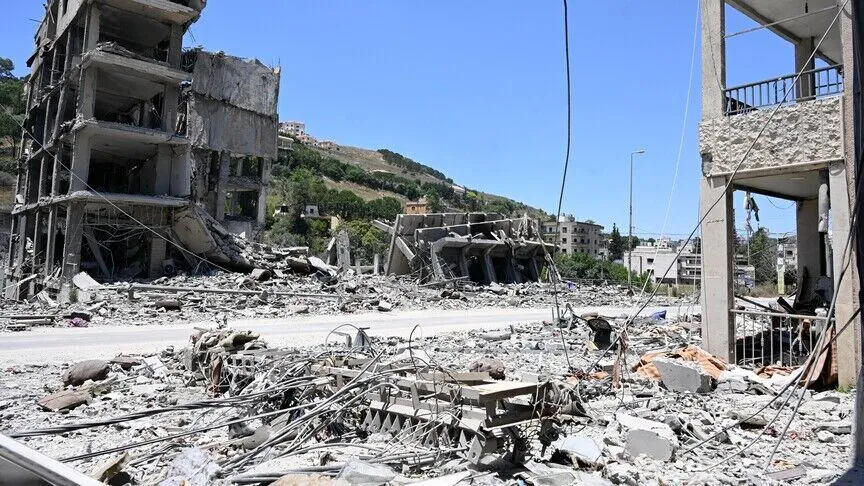
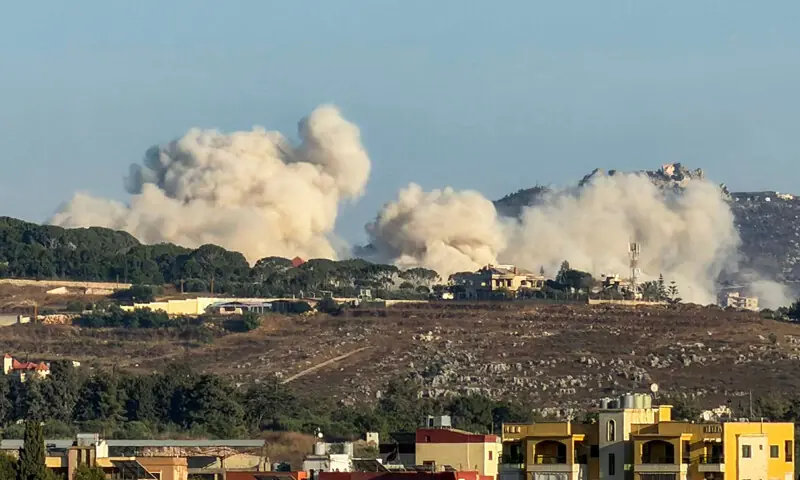
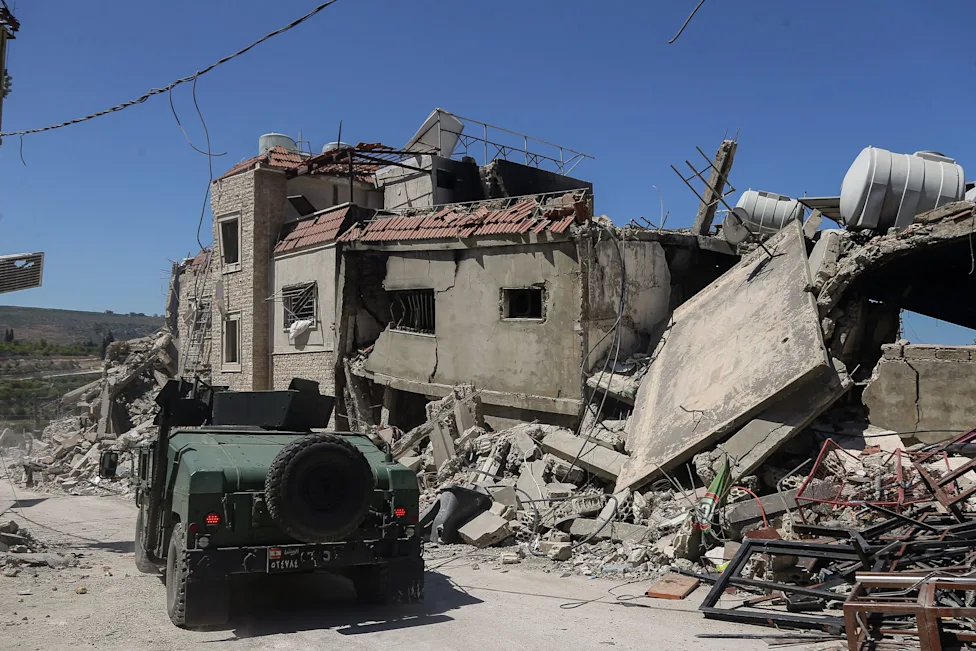
Lebanese President Joseph Aoun arrived at the White House today for discussions on regional security with U.S. President Donald Trump. This high-stakes meeting comes at a critical juncture for the Middle East, with ongoing tensions in the region. A central focus of their talks will be the disarmament of the Iran-backed militant group Hezbollah, according to officials familiar with the discussions. The leaders are also expected to address facilitating the withdrawal of Israeli forces from southern Lebanon, a long-standing point of contention. The discussions aim to bolster regional stability and address immediate security concerns.
Historic Diplomatic Engagement
President Joseph Aoun's visit marks the first time a Lebanese head of state has come to the White House in nearly two decades, signaling renewed diplomatic efforts between the two countries. This engagement shows a significant diplomatic moment between the two nations, noting the importance both Washington and Beirut place on their bilateral relationship. Mr. Aoun previously served as commander of Lebanon's U.S.-backed army, a role that saw him work closely with American military support and security assistance programs. During his tenure, he gained significant experience in managing complex security challenges. His objective for the current visit is to secure ongoing U.S. Support for Lebanon's sovereignty, which is seen as key for maintaining the nation's independence and territorial integrity. The Lebanese delegation hopes to reinforce the country's position amidst regional challenges, particularly concerning the activities of Hezbollah and the persistent presence of Israeli forces in southern Lebanon. This visit is viewed as an opportunity to strengthen strategic partnerships and address shared security interests.
Key Discussion Points
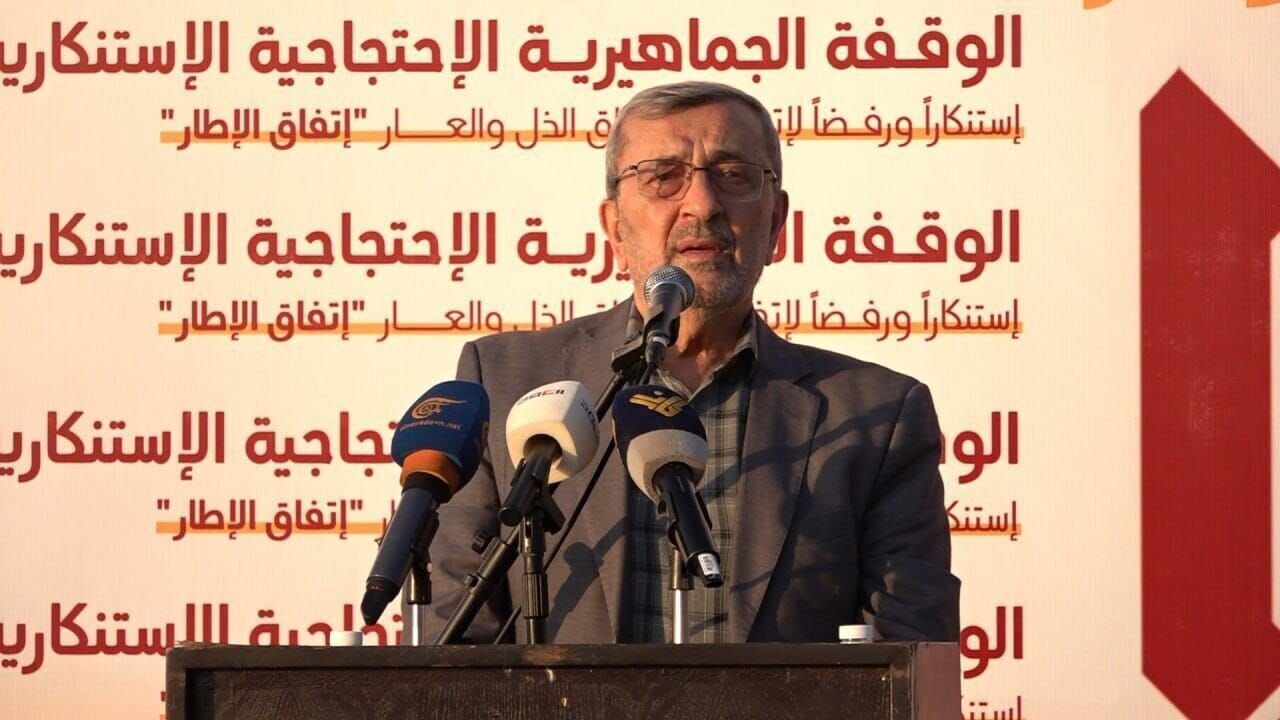
President Joseph Aoun's agenda for the discussions includes exerting pressure on Israel to adhere to a troop withdrawal agreement, according to sources close to the Lebanese delegation. This specific objective reflects Lebanon's commitment to fully implementing international resolutions and securing its borders. That agreement, which mandates the withdrawal of Israeli forces from southern Lebanon, was finalized in late June, following extensive diplomatic negotiations. The agreement was hailed at the time as a step towards de-escalation in the volatile border region. Despite the diplomatic efforts surrounding the withdrawal, Hezbollah has maintained its firm opposition to any government-level talks with Israel. This stance by the militant group complicates the implementation of peace initiatives and broader regional stability discussions, posing a significant challenge to the Lebanese government's efforts to achieve a full resolution. The Lebanese President is expected to emphasize the importance of international cooperation in managing these internal and external pressures.
U.S. Stance and Regional Dynamics
The United States has consistently affirmed its commitment to Lebanon's stability and sovereignty, viewing a secure and independent Lebanon as vital for regional peace. U.S. Officials have frequently called for the full implementation of United Nations Security Council resolutions concerning the region, which include provisions for the disarmament of non-state actors like Hezbollah. Washington has also emphasized the importance of safeguarding Lebanon's borders and preventing any actions that could escalate regional tensions. This commitment extends to providing military and economic assistance aimed at strengthening Lebanon's state institutions. The ongoing presence of Israeli forces in Southern Lebanon, and the calls for their withdrawal, remain a key point of discussion in broader diplomatic efforts to secure lasting peace. The U.S. Traditionally supports a diplomatic resolution to the conflict, encouraging dialogue between all parties involved to achieve a full and enduring settlement that respects the sovereignty of all nations in the area. The discussions today are anticipated to explore practical steps towards achieving these long-term goals.