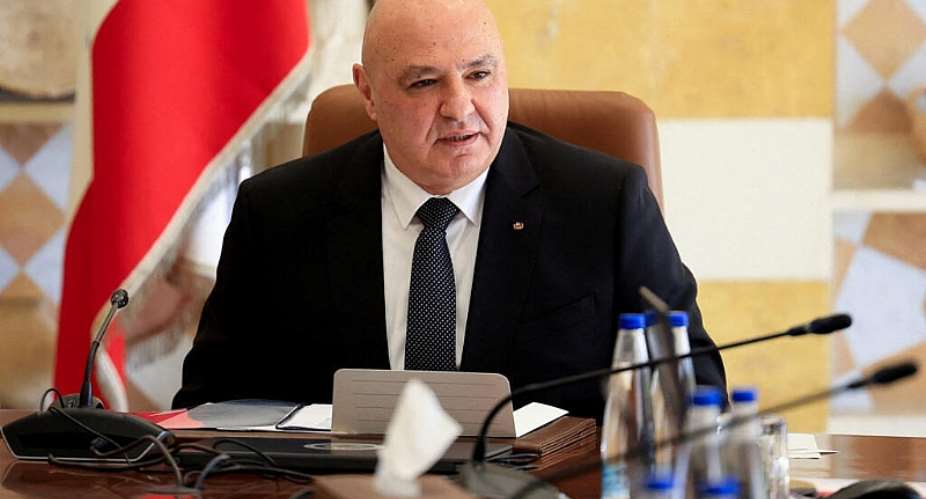
Lebanese President Joseph Aoun is scheduled to meet with US President Donald Trump in Washington on Tuesday, seeking American assistance on two key issues: the withdrawal of Israeli troops and the disarmament of Hezbollah. This high-stakes meeting shows Lebanon's urgent need for international support in resolving long-standing conflicts and asserting its national sovereignty. A Lebanese official indicated that President Aoun believes only President Trump possesses the necessary influence to pressure Israel to withdraw its forces from occupied Lebanese territories. President Aoun previously stated he would emphasize "the state's right to a monopoly on arms" during his discussions, aiming to consolidate control over military power within Lebanon and diminish the influence of non-state actors. The visit comes as regional tensions remain high, with the broader Middle East still reeling from recent conflicts and geopolitical shifts.
Diplomatic Push for Withdrawal
Lebanese President Joseph Aoun hopes US President Donald Trump will exert further pressure on Israel to withdraw from occupied Lebanese territories. This objective is a cornerstone of President Aoun's diplomatic strategy during his visit to Washington. The presence of Israeli forces in southern Lebanon has been a persistent point of contention, contributing to instability and hindering Lebanon's full territorial integrity. President Aoun's appeal to President Trump reflects a belief that American diplomatic leverage is key for achieving a breakthrough in this complex issue.
Ahead of his critical meeting with President Trump, President Aoun met with US State Secretary Marco Rubio on Sunday. Their discussion centered on the multifaceted challenges facing Lebanon. During their discussion, Secretary Rubio stated that "As long as that problem exists, Lebanon will never truly get peace," referencing the ongoing presence of armed groups and the persistent security vacuum. Secretary Rubio further "commended the courage of the Government of Lebanon ... For their determined effort to reclaim Lebanon's sovereignty, disarm Hezbollah and dismantle its terrorist infrastructure." This commendation notes the international community's recognition of the Lebanese government's challenging but vital mission. President Aoun has consistently emphasized "the state's right to a monopoly on arms," indicating his unwavering commitment to consolidating military control under state authority as a prerequisite for genuine peace and stability.
President Aoun’s visit marks a significant diplomatic engagement, as he is the first Lebanese president to be invited to Washington since 2009. This invitation shows the importance of the current discussions regarding regional stability and Lebanon’s sovereignty. The extended gap since the last presidential visit notes the urgency and the potential for a new chapter in US-Lebanon relations, particularly concerning the delicate balance of power in the region and the future of Lebanese security. The Lebanese government views this visit as a key opportunity to garner international support for its domestic and regional policy objectives.
The Hezbollah Dilemma
Israel's primary condition for withdrawing its troops from south Lebanon is the disarmament of Hezbollah, according to reports. This linkage between Israeli withdrawal and Hezbollah's military capabilities forms a central challenge for President Aoun's administration. Lebanese President Joseph Aoun has pledged to disarm Hezbollah since his election in early 2025, making it a key promise of his presidency. President Aoun has also strongly criticized Hezbollah's decision to involve Lebanon in the ongoing conflict, noting the devastating consequences for the nation. However, Hezbollah has unequivocally rejected both the proposed deal for its disarmament and the underlying Israel-Lebanon negotiations, creating a significant internal and external impasse.
Robert Satloff, a Middle East analyst, suggested that President Trump would seek assurances from President Aoun regarding eventual peace with Israel. This indicates a broader US objective to foster regional stability through normalized relations. Satloff also commented on a specific concern, stating that President Trump's administration should "put a stake through the heart of a dangerous idea that seems to have grabbed Trump's imagination: empowering Syria to dispatch troops into Lebanon to supposedly quash Hezbollah." This indicates a complex regional dynamic surrounding the militia's future and the potential for external interference. President Aoun has consistently emphasized "the state's right to a monopoly on arms," a position that directly conflicts with Hezbollah's independent military capabilities and its role as a non-state armed actor. Syrian President Ahmed al-Sharaa previously stated that his country had no intention of intervening in Lebanon, which could influence perceptions of regional stability and external involvement in Lebanese affairs, potentially easing concerns about a Syrian military role in disarming Hezbollah. The divergent positions of President Aoun and Hezbollah present a significant challenge to any proposed resolution, requiring deft diplomatic maneuvering and strong international backing.
Context of Conflict and Agreements
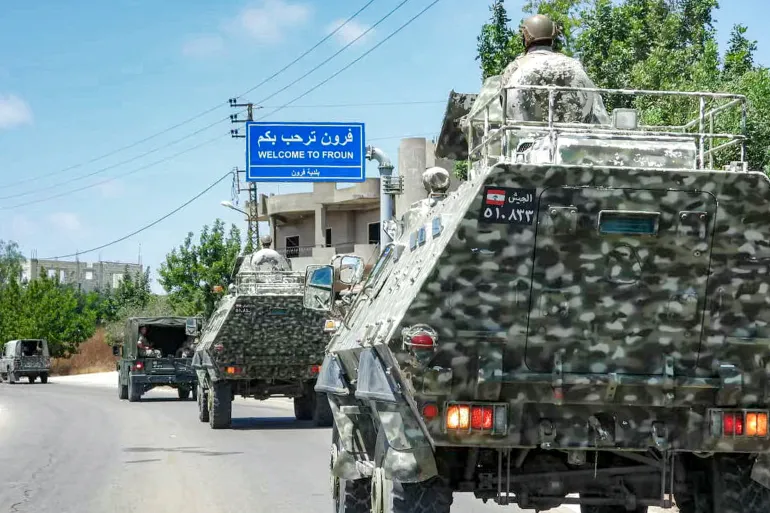
The United States announced Monday the start of implementation for an agreement that grants the Lebanese army control over "pilot zones" in southern Lebanon. This development is a key step towards restoring full government authority in the region. These zones are primarily situated just outside territories Israel occupied after Hezbollah drew Lebanon into the Middle East war in March, showing the direct impact of the conflict on Lebanese sovereignty. The US-Israeli killing of Iran's supreme leader Ayatollah Ali Khamenei preceded Hezbollah's decision to involve Lebanon in that conflict, noting the intricate web of regional actors and their interconnected actions.
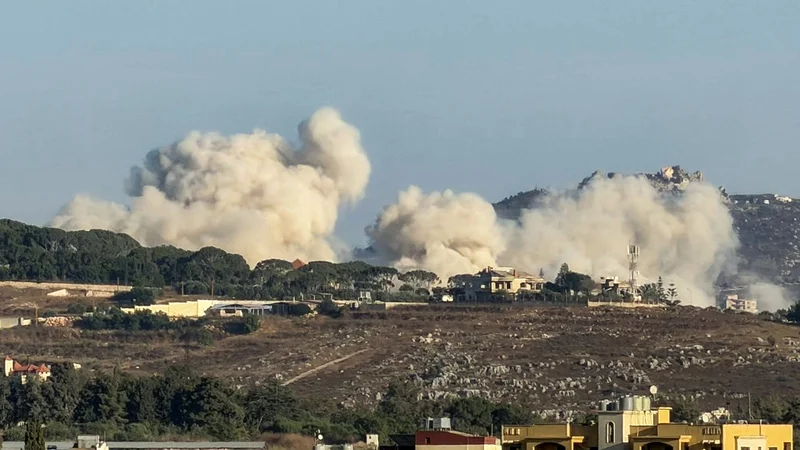
Since fighting began in March, Israeli strikes have killed more than 4,300 people in Lebanon, a tragic toll that shows the human cost of the conflict. Hundreds of thousands of individuals remain displaced following Israel's invasion of the country's south, creating a humanitarian crisis that demands urgent attention. Violence has significantly decreased after the signing of a framework agreement between the US and Iran last month, alongside Lebanon's continued negotiations with Israel, offering a glimmer of hope for de-escalation. Under this agreement, the Israeli military is slated to withdraw from southern Lebanon, with the Lebanese army deploying, starting with the two "pilot zones." This phased withdrawal and deployment plan is designed to ensure a smooth transition of authority and security. Iran insisted on including Lebanon in its April ceasefire with Washington, demonstrating its regional influence and its stake in the Lebanese situation, though Iran has been trading renewed strikes with the US since July 7, indicating ongoing tensions elsewhere.
Joseph Aoun was elected president in early 2025 with Western support, signaling a shift in Lebanon's political landscape. His presidency followed the ousting of Bashar al-Assad, an event that significantly weakened Hezbollah and its regional influence by disrupting its traditional lines of support and alliances. President Aoun has consistently emphasized "the state's right to a monopoly on arms," a principle central to his efforts to consolidate military control within Lebanon and assert the state's authority over all armed groups. This commitment is seen as fundamental to building a stable and sovereign Lebanese state.
Expert and Official Reactions
President Aoun will present President Trump with a written proposal detailing how to decommission Hezbollah's substantial arsenal. This full plan is expected to outline concrete steps for disarming the militia and integrating its members into state institutions or civilian life, thereby addressing a core demand from Israel and the international community. At his swearing-in ceremony, President Aoun vowed to affirm "the state's right to a monopoly on arms," reinforcing his commitment to this principle as a foundational element of his political agenda. He is also expected to request additional aid for the Lebanese army during his visit, recognizing the necessity of strengthening state security forces to fill any power vacuum left by Hezbollah's disarmament and to ensure Lebanon's capacity for self-defense.
Robert Satloff, a Middle East analyst, wrote that President Trump would want guarantees that President Aoun would root out army officers believed to be complicit with Hezbollah. This demand notes concerns about internal loyalties within the Lebanese military and the need to ensure its complete allegiance to the state. Satloff also stated that President Aoun's visit would allow him to "put a stake through the heart of a dangerous idea that seems to have grabbed Trump's imagination: empowering Syria to dispatch troops into Lebanon to supposedly quash Hezbollah." This cautionary note reflects the dangers of inviting external actors to resolve internal Lebanese issues, which could further destabilize the country. The success of President Aoun's mission hinges on his ability to present a credible and implementable plan for disarmament and withdrawal, while also securing the necessary international backing to navigate the complex geopolitical landscape.