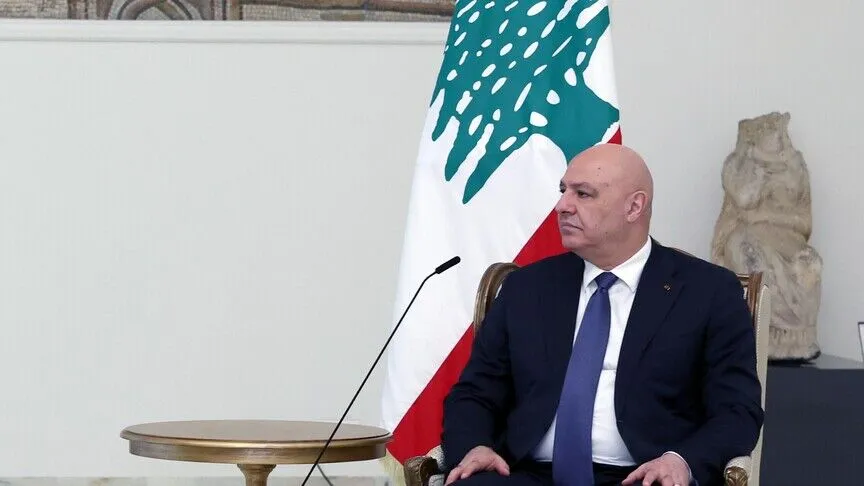
Lebanese President Joseph Aoun stated on Wednesday that negotiations with Israel represent the sole viable path to achieve Lebanon’s objectives in the southern region. Aoun emphasized that these goals include the liberation of Israeli-occupied territory and the deployment of the national army to the international border. He described the negotiation process as "neither easy nor quick … but they remain far better than war," asserting that these aims "cannot be achieved through war, as has become clear, so there is no option but negotiations." Aoun added, "We agree on the same goals: liberating the south, deploying the army to the [international] border, recovering prisoners, and enabling residents to return and rebuild." The President's remarks showed the government's commitment to finding a diplomatic solution to long-standing border issues.
Path to Southern Liberation
President Joseph Aoun reiterated that Lebanon's objectives in the south could not be achieved through war. He stressed that the decision to hold talks with Israel was taken specifically to avoid the devastation and suffering that would be caused by a military conflict. In June, Lebanon and Israel signed a US-backed framework agreement, outlining a path for future interactions. The agreement stipulates a gradual Israeli withdrawal from occupied Lebanese territory. Concurrently, the Lebanese army is to deploy into these vacated areas as part of the understanding. This full framework also calls for the disarmament of armed groups, a provision specifically referencing Hezbollah. Aoun's statement emphasized that negotiations, despite being potentially difficult and time-consuming, offer a more viable route than armed conflict for achieving these national goals. This framework aims to facilitate the return of residents and the rebuilding of communities in southern Lebanon, ensuring long-term stability.
Escalating Border Conflict
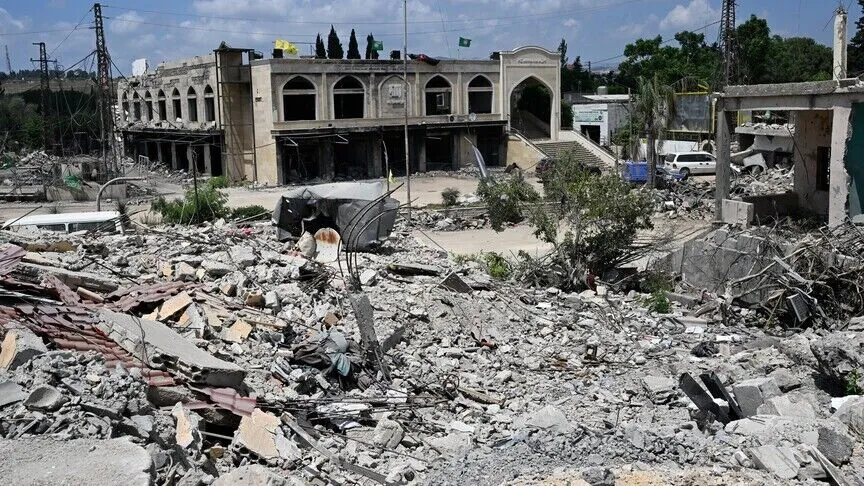
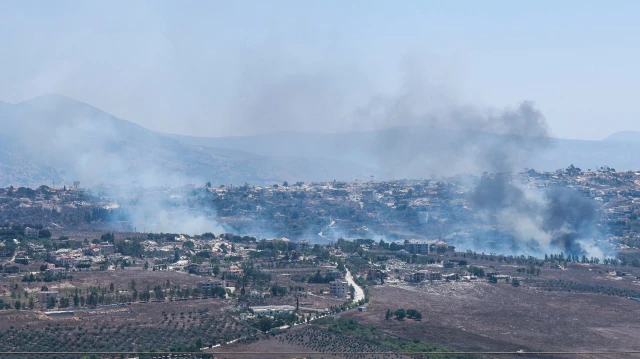
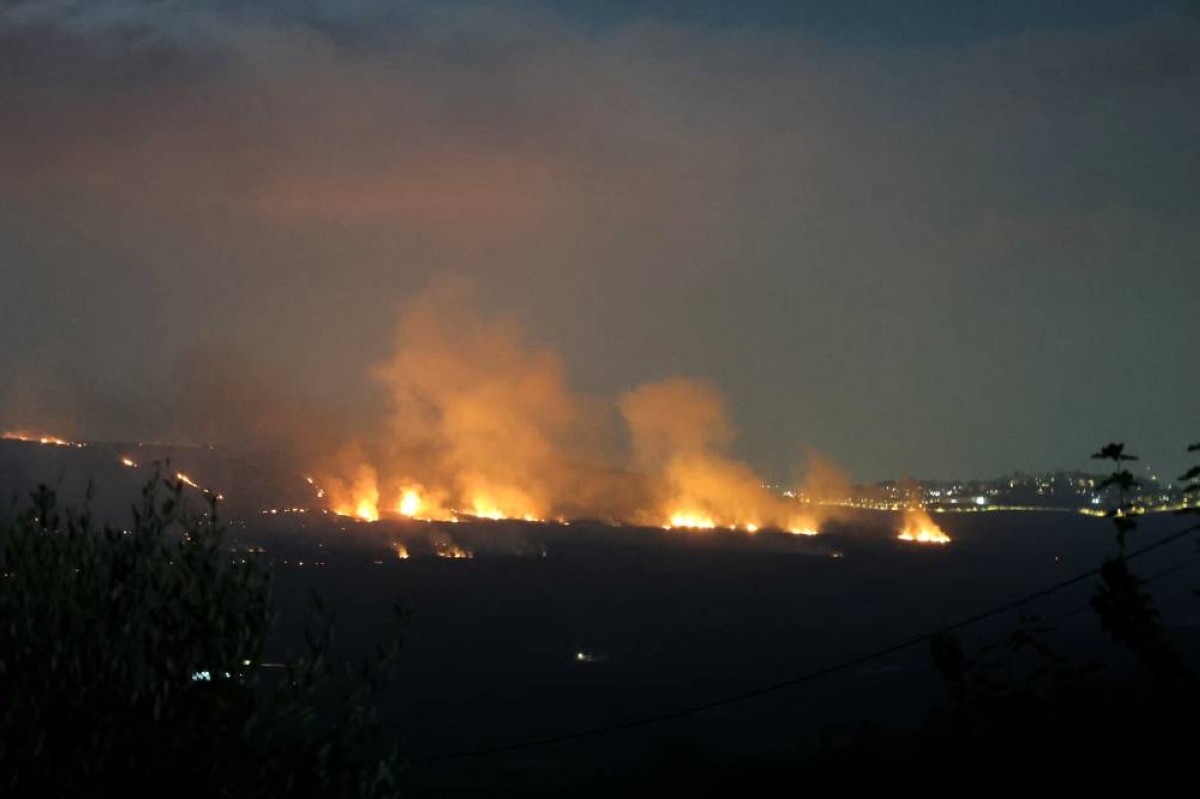
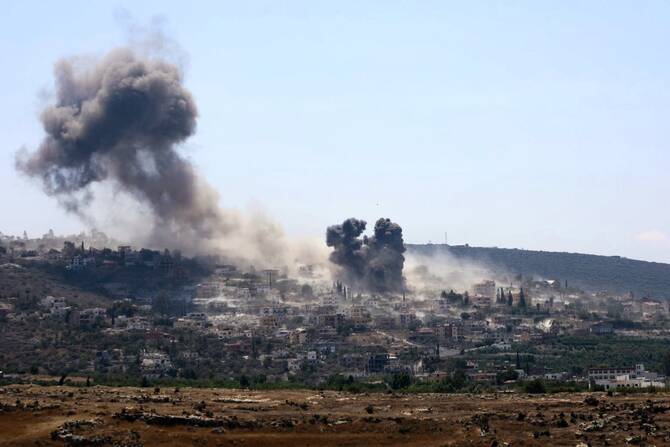
Since early March, Israel has conducted extensive attacks across southern Lebanon, stating these operations targeted Hezbollah. These actions have been described by Israel as responses to ongoing threats from the militant group. In response, Hezbollah has launched its own attacks against Israeli forces positioned in southern Lebanon. These reciprocal actions by both Hezbollah and Israel have effectively terminated a ceasefire that had been observed between the parties since late 2024. The renewed hostilities mark a significant escalation in the cross-border conflict, noting the precarious security situation that President Aoun's diplomatic efforts seek to address. The cessation of the ceasefire shows the urgent need for a more permanent resolution.
President's Vision for Stability
Lebanon's goals involve liberating its southern territories, deploying the national army to the international border, recovering prisoners, and enabling residents to return and rebuild, according to President Joseph Aoun. President Aoun and his government are also focused on addressing corruption, which has been widespread for years within the country. The President stated that Lebanese authorities are "fighting a war against those who reject the logic of the state," indicating a broader effort to establish governmental authority and stability across all sectors. These efforts show the government's commitment to both national security and internal reform, aiming to create a more resilient and functional state.
Negotiations vs. War
President Joseph Aoun stated the decision to engage in negotiations with Israel was made to prevent the devastation and suffering that would result from war. He noted that negotiations, though challenging, are ultimately far better than the alternative of armed conflict. The framework agreement between Lebanon and Israel also includes a provision for the disarmament of armed groups. This measure specifically refers to Hezbollah, which maintains an armed presence in southern Lebanon and whose activities have been a point of contention. These negotiations are seen by the Lebanese government as a strategic alternative to military confrontation, aiming to achieve national objectives without further conflict and to secure a lasting peace for the southern region.