The UN Committee on the Elimination of Racial Discrimination (CERD) has expressed alarm regarding statements by Israeli officials that threaten to inflict on Lebanon “the same level of destruction” as seen in Gaza. The committee, in a recent statement, urged an immediate end to rhetoric that dehumanizes the Lebanese population. This call comes amidst escalating military operations and a growing humanitarian crisis in Lebanon.
CERD called on Israel and all involved parties to promptly halt attacks targeting civilians or civilian objects, including indiscriminate attacks that affect them. The committee stated it is alarmed by the mounting civilian toll, mass displacement, and extensive destruction linked to Israeli military operations in Lebanon. These concerns highlight the committee's role in upholding international human rights standards, even in conflict zones.
Escalating Conflict and Destruction
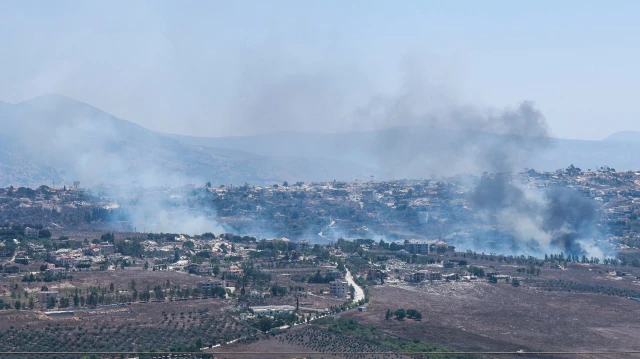
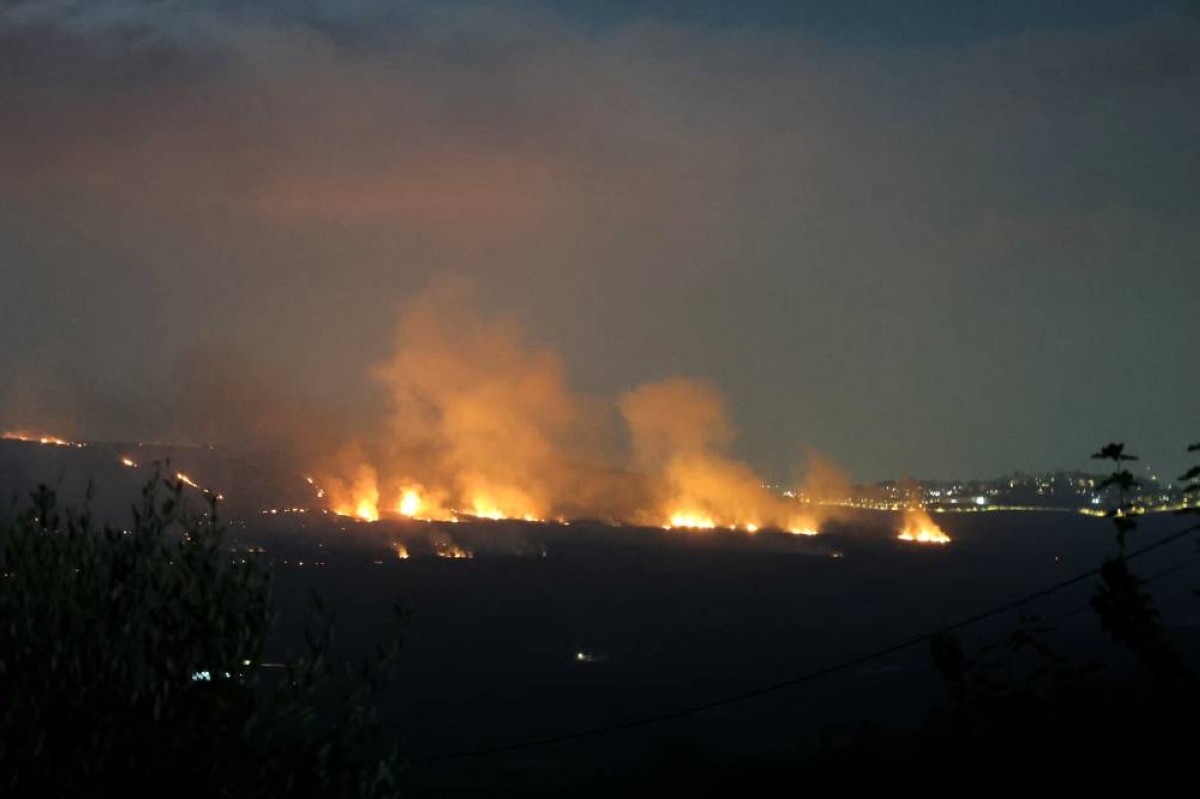
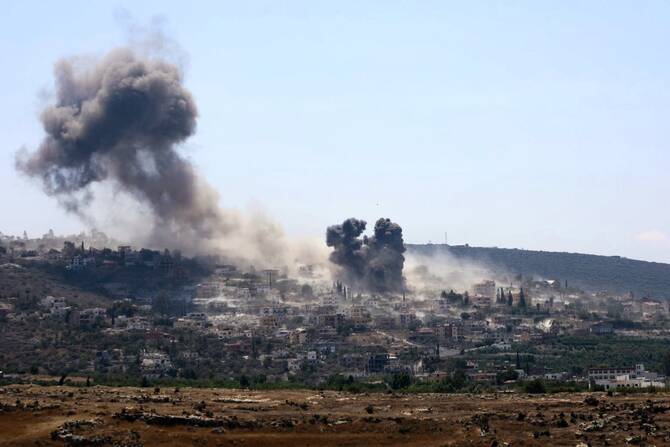
Israeli military operations in Lebanon, encompassing airstrikes, shelling, and the deployment of explosive weapons in densely populated areas, have escalated since March 2, 2026. This intensification of military activities has had severe consequences for the civilian population and infrastructure. Lebanon's health ministry has reported that more than 4,340 people have been killed and at least 12,300 injured within the country. The sheer scale of these casualties shows the devastating impact of the ongoing conflict.
Amidst this escalation, Israeli orders have directed residents to evacuate areas across southern Lebanon, specifically targeting territory situated between the Litani and Zahrani rivers. These directives have significantly disrupted the lives of hundreds of thousands of people, forcing them to abandon their homes and livelihoods. The committee noted that such evacuation orders raise serious concerns about potential forcible transfers of populations.
These evacuation warnings significantly impacted a large portion of Lebanese territory and its population. More than 70 warnings issued in March affected at least 189 towns and villages, covering approximately 14 percent of Lebanese territory and resulting in the displacement of over 1 million people in under three weeks. The rapid and massive displacement has created immense humanitarian challenges, straining resources and aid efforts. By the end of July, more than 360,000 individuals remained displaced, with about 27,200 of them residing in collective shelters. Many of those displaced face uncertain futures, with their homes and communities severely damaged or destroyed.
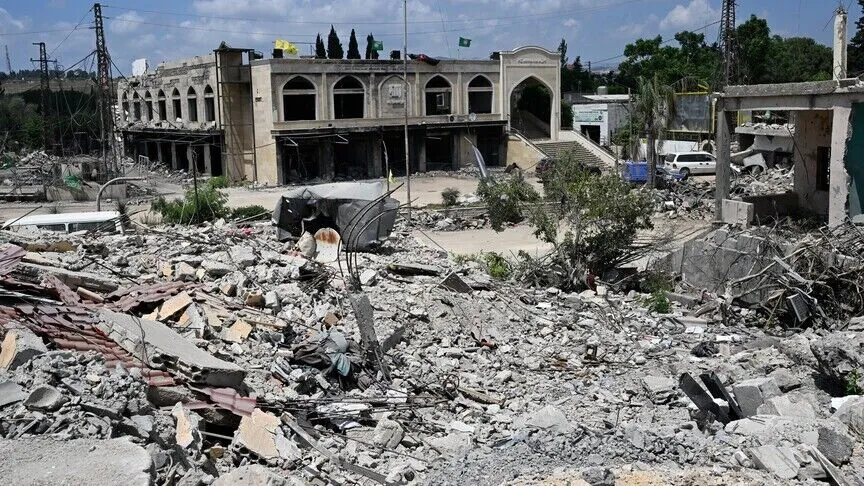
Reports from the region indicate that entire villages in southern Lebanon have been rendered uninhabitable due to the ongoing conflict. The systematic nature of the destruction has left many areas unrecognizable. Strikes and demolitions have led to widespread destruction, affecting homes, schools, healthcare facilities, water and electricity systems, places of worship, and agricultural land. This extensive damage to critical civilian infrastructure severely hampers any prospects for return and recovery for the displaced populations. The committee emphasized that such widespread destruction could have long-term consequences for the affected communities.
Committee's Specific Concerns
The Committee on the Elimination of Racial Discrimination (CERD) affirmed that the prohibition on racial discrimination remains active and cannot be suspended, even during periods of armed conflict. This fundamental principle underpins the committee's urgent calls for adherence to international law. The committee specifically referenced remarks made by Israel's defense minister, who described "the Shia inhabitants of 24 villages in southern Lebanon as enemies" when providing justification for the complete destruction of their homes. Such statements, according to CERD, are deeply concerning as they appear to legitimize actions based on collective identity.
CERD urged Israel to cease using language that dehumanizes Lebanese people or that legitimizes collective punishment and violence based on national or ethnic origin, descent, or religion. The committee noted that such rhetoric can fuel discrimination and prejudice, exacerbating tensions and undermining efforts towards peace and reconciliation. The committee stressed that international law prohibits such discriminatory practices, even in the context of armed conflict.
The committee also called on Israel to rescind blanket displacement and evacuation orders and to avoid the forcible transfer of people from southern Lebanon. Forcible transfers are considered serious violations of international humanitarian law. CERD showed the importance of ensuring that any movements of populations are voluntary, safe, and temporary, with guarantees for return.
In addition to its concerns regarding Israeli actions, CERD expressed apprehension about rockets fired by Hezbollah into populated areas in Israel. The committee stated that these attacks have resulted in civilian casualties and damage to civilian infrastructure within Israel. CERD reiterated that all parties to a conflict are bound by international humanitarian law, which prohibits targeting civilians and civilian objects. The committee's balanced approach notes its commitment to upholding international law for all actors involved.
International Legal Framework
The UN Committee on the Elimination of Racial Discrimination (CERD) urged Israel to refrain from actions that could constitute war crimes, crimes against humanity, or serious violations of international humanitarian or anti-discrimination law. This strong warning reflects the gravity of the situation and the potential legal ramifications of continued actions. The committee’s call shows the international legal obligations nations hold, even during armed conflicts. These obligations pertain to the treatment of civilian populations and the conduct of military operations, emphasizing the principles of distinction, proportionality, and precaution.
CERD also called on all states party to the anti-racism convention to cease selling, transferring, or diverting arms, ammunition, and other military equipment to any party involved in the conflict. This directive applies specifically when there is a clear risk that such material could be used to commit or facilitate violations of international law. The committee emphasized the responsibility of signatory states to ensure their military exports do not contribute to such breaches, noting the potential for complicity in international law violations. This call reinforces the principle that states have a responsibility to prevent serious violations of international law, even when not directly involved in the conflict. The committee concluded by reiterating the universal applicability of human rights and anti-discrimination norms, even in the most challenging circumstances of armed conflict.