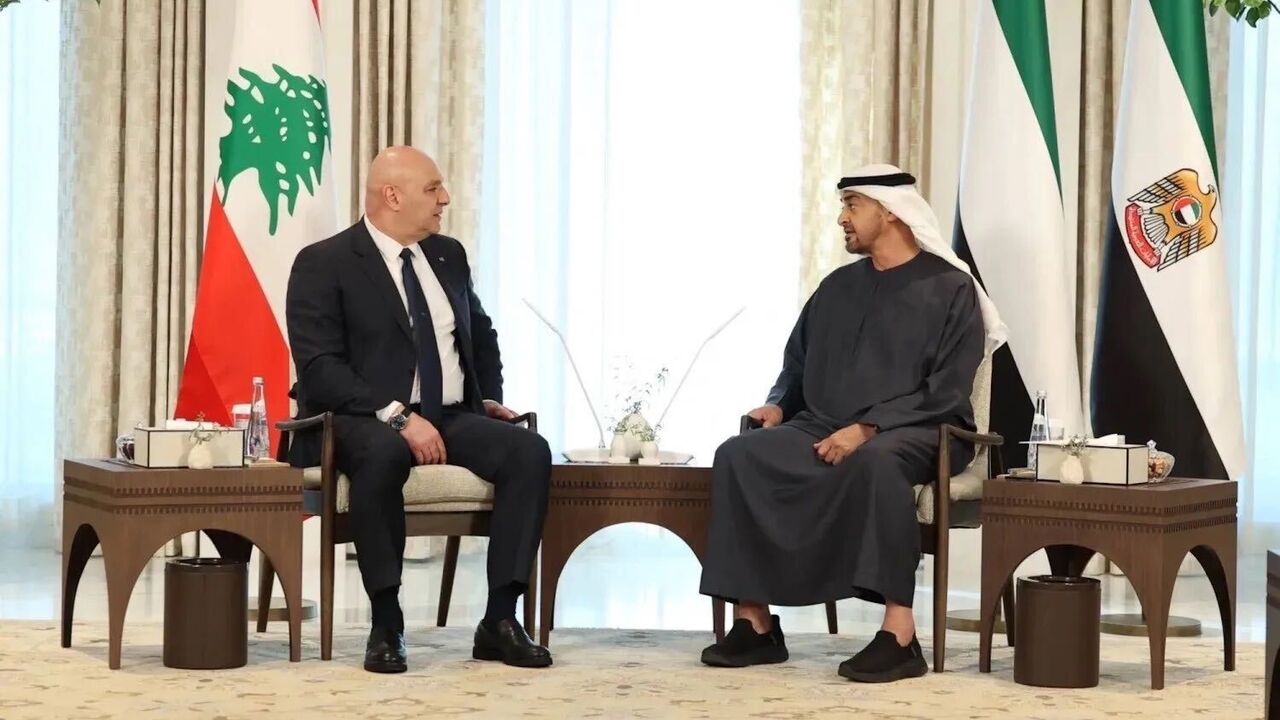
Lebanon ordered Iran’s ambassador-designate, Mohammad Reza Sheibani, to leave the country in March, citing concerns over his political interference. The Lebanese government rejected Sheibani’s appointment due to what it described as his unacceptable political interference in Lebanese internal affairs. This decision by Beirut signaled a clear stance against foreign meddling. However, Tehran disregarded this directive, continuing to treat Mohammad Reza Sheibani as its ambassador despite Lebanon's explicit rejection. Lebanon’s political system ultimately compromised, allowing Sheibani to remain in the country despite the initial order for his departure. This situation noted significant internal divisions and external pressures influencing Lebanese sovereignty.
Ambassador's Lingering Presence
Five months after Lebanon’s initial order for his departure, Mohammad Reza Sheibani remains in Beirut. Tehran disregarded the Lebanese government's decision, reportedly with backing from Hezbollah and Parliament Speaker Nabih Berri. These powerful factions within Lebanon actively opposed Sheibani’s removal, complicating the government's ability to enforce its own directive. General Security has since regularized Mr. Sheibani’s stay as an Iranian citizen, though notably without diplomatic status. This regularization, despite the initial rejection, shows the complex political landscape in Lebanon. The United States sanctioned Mr. Sheibani in May for providing material support to Hezbollah, further escalating the international dimensions of his presence in Beirut.
Lebanese Foreign Minister Youssef Raggi stated on X on August 20 that he "ruled out any renewal of [Sheibani’s] visa." Mr. Raggi further asserted there was "no room for interpretation" regarding the matter, emphasizing the finality of Lebanon’s position. He declared that Sheibani’s designation as persona non grata was Lebanon’s “final and binding sovereign decision,” adding that it was “not subject to exceptions, reinterpretation, circumvention, or any attempt to regularize his status,” and therefore “required him to leave Lebanon.” These strong public pronouncements from the Foreign Minister showed the official governmental stance. Despite these clear public statements, General Security renewed Mr. Sheibani’s residency four days later, directly contradicting the Foreign Minister’s declaration and the initial governmental order. This renewal further illustrated the deep divisions and conflicting authorities within the Lebanese state.
Hezbollah and Amal ministers boycotted an executive branch Council of Ministers of Lebanon meeting in protest of Mr. Sheibani’s potential removal, signaling their unwavering support for the Iranian diplomat. Their absence effectively paralyzed governmental decision-making on the matter. An Iranian diplomatic source indicated that Mr. Sheibani would remain in Lebanon at the request of both Hezbollah and Amal, confirming the significant influence these parties wield over Lebanese policy. Tehran also affirmed that Mr. Sheibani would continue his diplomatic work, despite Lebanon's refusal to recognize his diplomatic status, reflecting Iran's steadfast position on the matter. This continued presence and diplomatic activity, despite Lebanon's official stance, notes the extent of the compromise within the Lebanese political system. President Joseph Aoun reportedly dispatched General Security chief Hassan Choucair to Parliament Speaker Nabih Berri with a proposed solution regarding Mohammad Reza Sheibani. This proposal aimed to preserve Lebanon’s official refusal to recognize Sheibani diplomatically while simultaneously permitting him to remain in the country as a resident, attempting to navigate the delicate balance between national sovereignty and the powerful internal and external pressures.
Hezbollah's Disarmament Stalemate
Lebanon’s Cabinet decided in March to categorically ban all Hezbollah military and security activity, ordering the group to surrender its weapons and directing security forces to enforce the decision immediately. This March 2 Cabinet decision represented a significant governmental attempt to assert control over non-state armed actors. President Aoun has since insisted that implementation proceed through bilateral dialogue with Hezbollah, stating it should be conducted "away from force," and without a specified deadline. This approach, favoring negotiation over immediate enforcement, has been criticized for potentially undermining the urgency of the Cabinet's initial order. Nearly six months after the Cabinet's decision, Hezbollah continues to reject disarmament, categorically refusing to comply with the government's directive. This rejection includes the terms of a bargain contained in the U.S.-brokered June 26 Framework Agreement between Israel and Lebanon, which explicitly linked disarmament to Israeli withdrawal. Hezbollah’s steadfast refusal to disarm remains a central point of contention within Lebanon's political landscape and a significant challenge to the state's authority.
Implementation of the disarmament order remains limited to preliminary steps within initial pilot zones, indicating a slow and fragmented approach to a critical national security issue. Lebanon and Israel have yet to agree on a mechanism for third-party verification of these steps, further delaying any substantive progress. This lack of a strong verification mechanism raises questions about the effectiveness and transparency of the disarmament process. The continued presence of Hezbollah's armed wing, despite governmental directives and international agreements, shows the profound challenges facing Lebanon in asserting its sovereignty and monopoly on force. The ongoing stalemate notes the deep-seated political divisions and the powerful influence of non-state actors within the country.
Financial Network Circumvention
Banque du Liban issued Circular 170, which prohibits regulated financial institutions from engaging with Al-Qard al-Hassan (AQAH), Hezbollah’s quasi-bank, and any other entities subject to sanctions or operating without a license. This measure was designed to curb illicit financial flows and bring financial institutions under stricter regulatory control. While the Interior Ministry subsequently withheld AQAH’s annual certification, a move that should theoretically hinder its operations, its underlying "ilm wa khabar," which grants it legal recognition, remains active. This key legal status allows AQAH to continue operating despite the lack of annual certification. A Cabinet decision is required to withdraw this "ilm wa khabar" status, which would effectively revoke AQAH's legal foundation. However, the Cabinet, which includes ministers from Hezbollah and Amal, has not taken action to withdraw AQAH's "ilm wa khabar," demonstrating the internal political obstacles to enforcing financial regulations against powerful groups. Justice Minister Adel Nassar stated in June that the issue had not even been presented to the Cabinet, with officials opting instead for a prosecutorial investigation. This decision to defer to a prosecutorial investigation, rather than a direct Cabinet decision, has been interpreted by some as a way to avoid a politically charged confrontation within the government. Consequently, AQAH therefore remains legally extant and operational within Lebanon, continuing to provide financial services outside the conventional banking system. The U.S. Treasury Department has sanctioned individuals embedded within Lebanese state institutions, citing their role in facilitating activities for both Hezbollah and Iran, further noting the deep penetration of these networks within the Lebanese administrative and financial structures. These sanctions show the international community's concerns about the circumvention of financial regulations and the state's inability to fully control its financial system.