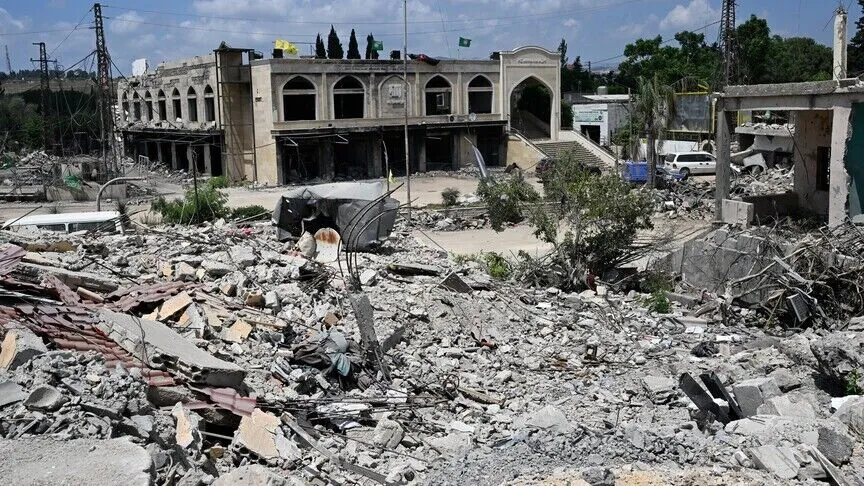
Israeli warplanes conducted an airstrike on the town of Majdal Zoun in southern Lebanon’s Tyre district early Wednesday. The aerial assault, which occurred in the pre-dawn hours, marks a significant incident in the ongoing tensions along the border. Lebanon’s official National News Agency (NNA) reported the air raid, detailing the specifics of the incident and its location within the southern Lebanese territory. The strike constitutes a violation of a US-mediated framework agreement that was signed in June, according to sources familiar with the matter and the intricacies of the diplomatic understanding.
The framework agreement, brokered by the United States, aims to establish clear parameters for military activities in the volatile region, seeking to prevent further escalation. The Israeli action on Wednesday represents a breach of those established guidelines, challenging the stability that the agreement sought to foster. The NNA report noted the specific location of the strike within the Tyre district, a region that has historically seen periodic tensions and military confrontations. The US-mediated framework was specifically designed to prevent escalations and provide a pathway for de-escalation, making this recent incident a significant development regarding its efficacy and the challenges to its implementation. The violation shows the fragility of the peace efforts and the persistent difficulties in maintaining adherence to agreed-upon terms.
Escalation of Border Tensions
Tensions escalated significantly on March 2 when Israel initiated extensive attacks, stating they were targeting Hezbollah positions and infrastructure. These widespread military operations marked a notable increase in hostilities. In response to the Israeli actions, Hezbollah launched cross-border strikes into Israeli territory, effectively ending a ceasefire that had been in place since November 2024. This tit-for-tat exchange shattered the fragile calm that had prevailed for several months.
The November truce had collapsed following several weeks of increasing friction along the Blue Line, the internationally recognized demarcation line between Lebanon and Israel. This period of heightened friction involved various incidents and provocations from both sides, ultimately leading to the breakdown of the ceasefire. Since the March 2 escalation, Israeli forces have maintained continuous air operations over southern Lebanon, conducting reconnaissance flights and occasional strikes, indicating a sustained military presence and readiness to act. These continuous operations contribute to the ongoing instability and keep the region on high alert.
US-Mediated Peace Framework
A US-led diplomatic effort successfully produced a full framework agreement between Israel and Lebanon in June. This pact was specifically designed to establish clear parameters for military activities along the shared border, aiming to reduce the risk of conflict and provide a structured approach to regional security. The agreement stipulates a gradual Israeli withdrawal from all occupied Lebanese territory, a key demand from the Lebanese side. It outlines the phased deployment of the Lebanese army in southern Lebanon, intended to assert state sovereignty and control over the border areas. The framework also addresses the disarmament of various armed groups operating in the region, a critical component for long-term stability and security.
This framework was intended to prevent escalations and provide a structured approach to de-escalation along the border, offering a diplomatic pathway out of the cycle of violence. However, implementation of the agreement has faced repeated setbacks, with both sides struggling to fully adhere to its provisions. The ongoing violations by both sides have hindered progress and consistently challenged the efficacy of the US-mediated understanding, demonstrating the deep-seated mistrust and complex political landscape. The recent Israeli airstrike in Majdal Zoun further shows the difficulties in maintaining adherence to the established guidelines of the June framework, noting the persistent challenges in achieving lasting peace and stability in the region. The incident serves as a stark reminder of the fragile nature of diplomatic achievements in areas marked by historical conflict.
Regional Context and Previous Strikes
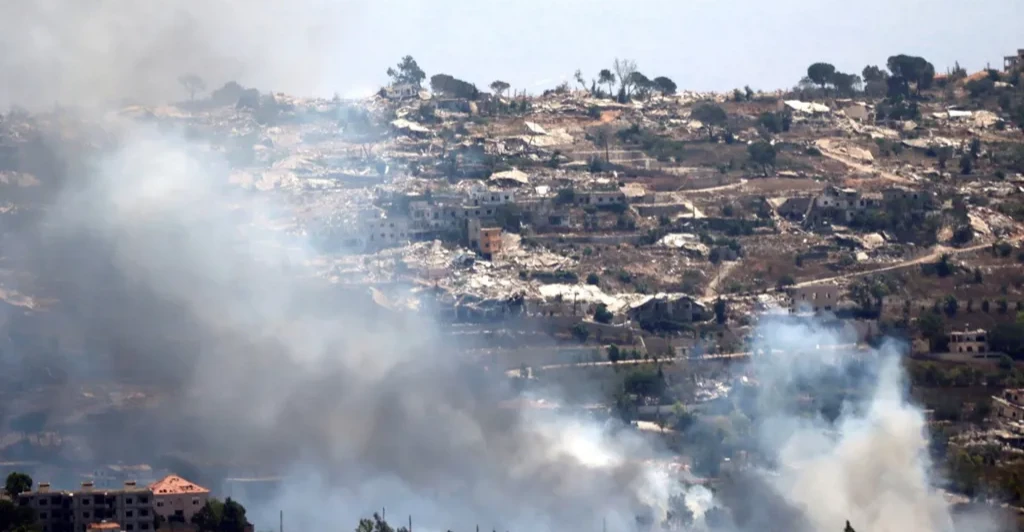
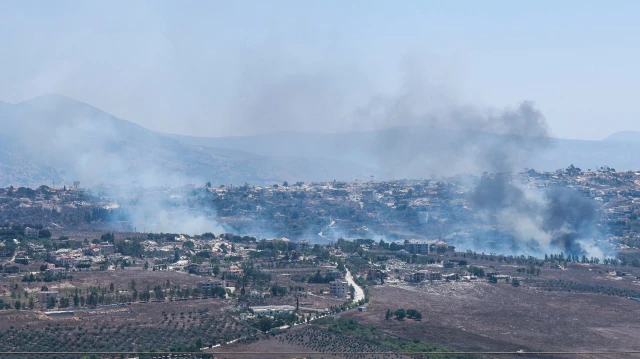
An Israeli strike targeted the town of Khiam in the Marjayoun district of southern Lebanon on August 24, 2026, causing plumes of smoke to rise visibly from the affected area. This incident in Khiam represents another instance of military action in the sensitive border region, contributing to the pattern of hostilities. The Marjayoun district, like the Tyre district where Wednesday's airstrike occurred, is situated in southern Lebanon and has historically experienced ongoing tensions and military engagements. Such strikes contribute significantly to the volatile security situation along the Blue Line, the internationally recognized demarcation line between Lebanon and Israel. The recurring nature of these incidents complicates efforts to maintain stability and adhere to established frameworks for de-escalation in the region, making it difficult to build confidence and trust between the parties. Each strike, whether in Majdal Zoun or Khiam, adds to the cycle of violence and undermines the prospects for a durable peace.