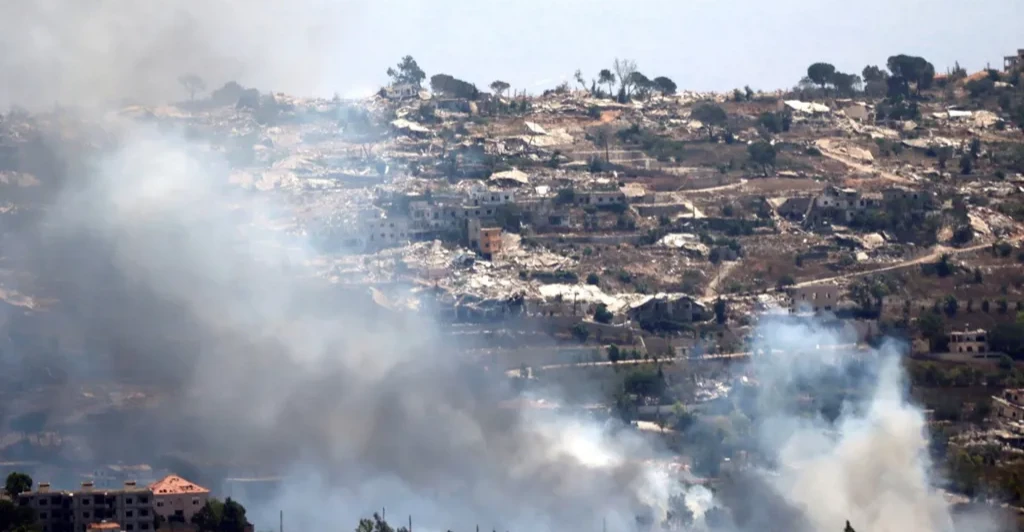
Israeli aircraft and artillery struck several areas in southern Lebanon on Tuesday, marking a continuation of ongoing tensions in the region. The strikes targeted locations including the Nabatieh district, Ali al-Taher Hill, the Mansouri area in the Tyre district, Wadi Saluki, and the Bint Jbeil district near Ainata and the Dubay area. According to Lebanese media reports, no casualties have been reported so far following the bombardments. The Israeli military action comes amid heightened cross-border exchanges between Israel and groups operating in southern Lebanon, with Mais al-Jabal also experiencing shelling. These incidents are part of a broader pattern of military engagements that have characterized the border region for months, contributing to a volatile security situation. The repeated targeting of various locations shows the widespread nature of the current conflict.
Specifics of Tuesday's Attacks
Israeli forces fired more than 10 artillery shells at Ali al-Taher Hill, located in the Nabatieh district of southern Lebanon. This artillery barrage represented a significant use of force in the area. Simultaneously, warplanes conducted strikes targeting the Mansouri area within the Tyre district, indicating an aerial component to the day's operations. Further aerial bombardments by Israeli aircraft also hit Wadi Saluki, situated in the Bint Jbeil district. The coordinated nature of these attacks, involving both artillery and air power, suggests a deliberate and extensive military operation. The choice of these specific locations points to strategic targeting across different sectors of southern Lebanon.
Ground operations by Israeli forces in Ainata resulted in homes and vineyards being set ablaze. The destruction of civilian property and agricultural land adds another layer of impact to the military actions, affecting livelihoods and infrastructure. In the Dubay area of Mais al-Jabal, Israeli forces carried out demolitions, blowing up several houses. These demolitions further contribute to the displacement and destruction in the affected communities. These actions contributed to the broader series of Israeli military operations in southern Lebanon on Tuesday, illustrating the multi-faceted approach taken by Israeli forces, encompassing both direct strikes and ground-level destruction. The persistent nature of these operations has a cumulative effect on the local population and environment.
Broader Conflict Toll
Lebanon’s Health Ministry has reported a significant number of casualties from Israeli attacks since October 8, 2023. As of August 25, the ministry stated that 8,920 people have been killed and 30,543 others wounded. This overall toll includes 4,350 individuals killed and 12,310 injured specifically since March 2 of the current year. The data provided by Lebanon’s Health Ministry shows the escalating human cost of the ongoing conflict in southern Lebanon. These figures reflect the cumulative impact of military actions on the civilian population and infrastructure, noting the severe consequences for human life and public health. The continuous updates from the ministry serve as a stark reminder of the conflict's intensity and its devastating effects on communities. The health infrastructure in Lebanon is facing considerable strain in responding to the needs of the wounded and displaced.
Regional Context and Escalation
The recent Israeli military actions in southern Lebanon, which included strikes in the Nabatieh district, the Mansouri area of the Tyre district, and the Bint Jbeil district, reflect a persistent pattern of cross-border engagements. These operations follow earlier reports of shelling in Mais al-Jabal and other areas, indicating a sustained level of military activity. Tensions have remained elevated along the border between Lebanon and Israel, with frequent exchanges of fire reported by both sides. This ongoing exchange has created a climate of instability and unpredictability for residents in the border regions. The intensified military activity has contributed to a broader regional instability, impacting not only the immediate conflict zones but also the wider geopolitical landscape. The ongoing incidents in locations such as Ali al-Taher Hill, Wadi Saluki, Ainata, and the Dubay area show the continued volatility and the challenges in achieving any form of de-escalation. This situation contributes to humanitarian concerns and complicates efforts to de-escalate the conflict, raising fears of a wider regional conflagration.