A large Emirati delegation, comprising approximately 70 business leaders and government officials, is set to visit Beirut for two days, aiming to discuss investment and partnership opportunities in Lebanon's public and private sectors. The delegation, led by UAE Minister of State for Foreign Trade Thani bin Ahmed Al Zeyoudi, arrives as Lebanon grapples with an economic and financial crisis that erupted in October 2019. The Lebanese Economic Organizations will host the Emirati representatives during their visit. This initiative marks a significant effort to boost economic ties and explore potential collaborations amidst Lebanon's ongoing financial challenges, signaling a renewed focus on strengthening bilateral relations and supporting Lebanon's path towards recovery. The visit is strategically timed to coincide with a period of diplomatic warming between the two nations, following a period of heightened tensions.
Exploring Partnership Avenues
The Emirati delegation, comprising 67 prominent business leaders and senior executives, is scheduled to engage in discussions aimed at fostering economic cooperation. These discussions are expected to cover a wide array of potential investment and partnership opportunities across various sectors of the Lebanese economy, encompassing both public and private entities. A key area of focus for the delegation involves exploring potential partnerships with the Lebanese government. These discussions will center on the management of customs systems at various critical infrastructure points, including Beirut International Airport, seaports, border crossings, and oil facilities. The initiative seeks to identify collaboration opportunities that could enhance efficiency and operations within these key sectors, potentially leading to significant improvements in trade facilitation and revenue generation for Lebanon. The engagement notes the UAE's interest in contributing to the modernization and operational efficiency of Lebanon's key economic gateways.
Preparations for the visit have been underway, with Lebanese President Joseph Aoun meeting Lebanon’s ambassador to the UAE, Tarek Mneimneh, on Monday. Their discussions specifically addressed the upcoming delegation's arrival and the agenda for their engagement in Beirut. This meeting shows the diplomatic efforts preceding the visit, aiming to ensure a productive dialogue between the two nations. The careful planning reflects the importance both countries place on this high-level exchange, seeking to maximize the potential for concrete outcomes and future cooperation. The Lebanese Economic Organizations, representing a broad spectrum of the country's private sector, will play a key role in hosting the Emirati delegation, facilitating direct engagement between business leaders from both sides and identifying specific areas for collaboration. This direct engagement is seen as vital for translating high-level discussions into tangible projects and investments.
Despite the current push for investment and improved relations, the visit occurs against a backdrop of ongoing legal disputes. UAE-based Al Habtoor Group initiated legal action against the Lebanese state in April. The group is seeking more than $1.7 billion in compensation for alleged losses, marking a significant claim that could complicate the broader investment climate. This legal challenge notes some of the existing hurdles in the economic relationship between Lebanon and UAE-based entities, showing the complexities that can arise even as diplomatic and economic ties are being strengthened. Addressing such issues will be important for fostering a fully confident and strong investment environment for future Emirati capital in Lebanon.
Historical Economic Ties
Direct Emirati investments in Lebanon amounted to approximately $7.8 billion between 2003 and 2016, establishing a significant historical financial link between the two nations. This period saw substantial capital flows from the UAE into various sectors of the Lebanese economy, demonstrating a sustained commitment to Lebanon's development and economic growth. Emirati investments during this timeframe constituted a dominant share of regional contributions, representing 64.8% of all Arab projects launched in Lebanon from 2003 to 2016. The figures show the UAE's role as a primary Arab investor in Lebanon for over a decade, noting its historical importance as a source of foreign direct investment and economic partnership. This long-standing pattern of investment has contributed significantly to various sectors, including real estate, tourism, and financial services, helping to shape Lebanon's economic landscape.
Prior to these direct investments, Abu Dhabi provided substantial financial assistance to Lebanon. In the 1990s and early 2000s, hundreds of millions of dollars were channeled to Lebanon in the form of direct financial support, loans, and economic investments. This aid played a key role in Lebanon's post-civil war reconstruction efforts and economic development during those decades, helping to rebuild critical infrastructure and support nascent industries. The historical financial ties highlight a long-standing pattern of economic engagement from the UAE, predating the more recent wave of direct investments. These earlier contributions laid a foundation for the subsequent investment activity from the Emirates, fostering a relationship built on both humanitarian support and strategic economic partnership. The continuity of this financial engagement over several decades shows the deep-rooted nature of the economic relationship between the two countries.
Diplomatic Thaw and Recovery
Tensions between the United Arab Emirates and Lebanon escalated in October 2021 when the UAE, Saudi Arabia, Bahrain, and Kuwait recalled their ambassadors from Beirut and closed their embassies. This collective diplomatic action by the Gulf states signaled a significant downturn in relations, largely stemming from comments made by a Lebanese minister regarding the Yemen conflict and broader regional political disagreements. During this period, the UAE also took further measures, including the expulsion of several Lebanese citizens and the detention of dozens more over alleged links to Hezbollah, an organization that the Gulf Cooperation Council had designated as a terrorist organization in 2016. These actions reflected a period of deep mistrust and political estrangement between Lebanon and the Gulf monarchies.
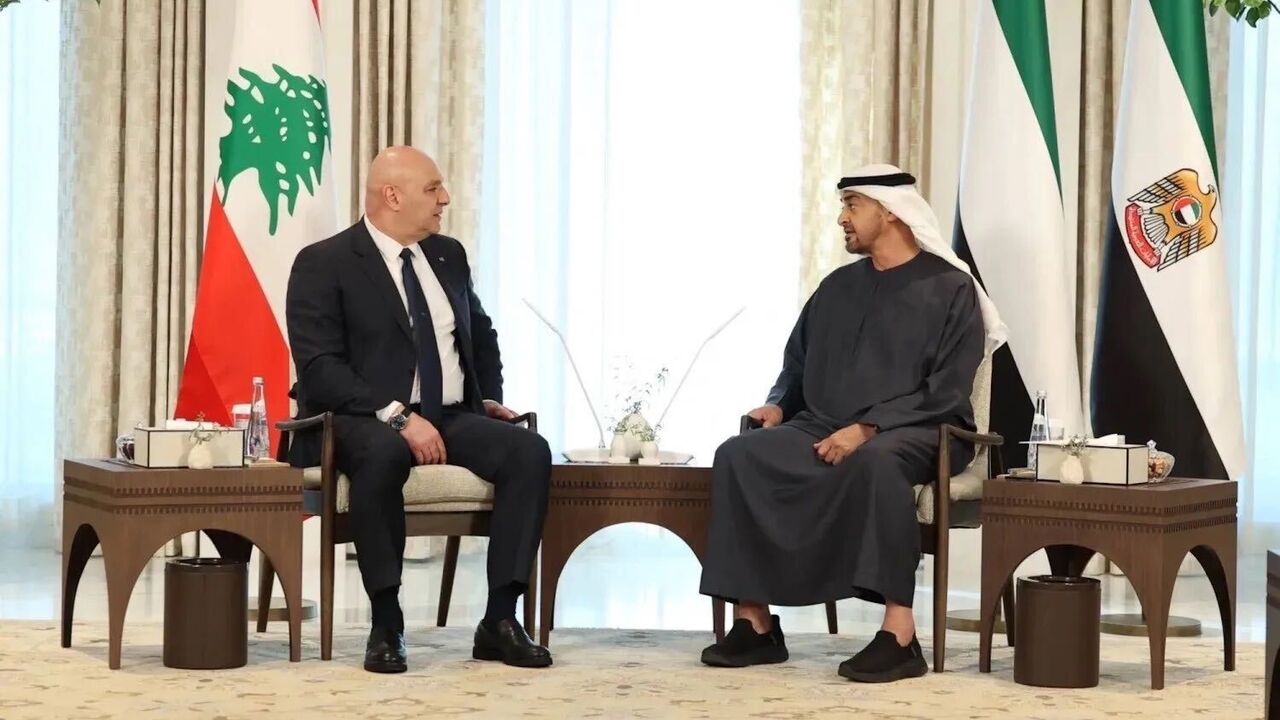
A significant step toward normalizing relations occurred in January 2025 when the UAE dispatched a high-level delegation to Beirut to finalize the official reopening of its embassy. This move was a clear indication of the UAE's intent to re-engage with Lebanon on a diplomatic level and restore channels of communication. This diplomatic movement was followed by Lebanese President Joseph Aoun visiting Abu Dhabi in April 2025. President Aoun's April 2025 visit marked the first time a Lebanese head of state had traveled to the UAE since 2012, signaling a definitive thaw in diplomatic ties and a mutual desire to rebuild the relationship. The exchange of high-level visits shows a concerted effort by both nations to move past previous tensions and forge a more cooperative future.
The renewed engagement comes as Lebanon continues to face severe economic challenges. The country has been grappling with an economic and financial crisis that erupted in October 2019, leading to widespread poverty, currency depreciation, and a collapse of public services. The World Bank has projected that Lebanon’s economy would contract by 6.4% in 2026, indicating the persistent difficulties the country faces in achieving sustained economic growth. This contraction follows an estimated real gross domestic product growth of 4.2% in 2025, suggesting continued volatility and an uneven path to recovery. Inflation in Lebanon is expected to increase to 17.5% in 2026, adding further pressure to the country's economic landscape and eroding the purchasing power of its citizens. In this context, the Emirati delegation's visit and the prospect of increased investment and partnership opportunities are seen as key for supporting Lebanon's long-term economic stability and recovery efforts. The discussions on customs systems and other public and private sector collaborations could provide much-needed reforms and capital to help alleviate the ongoing crisis.