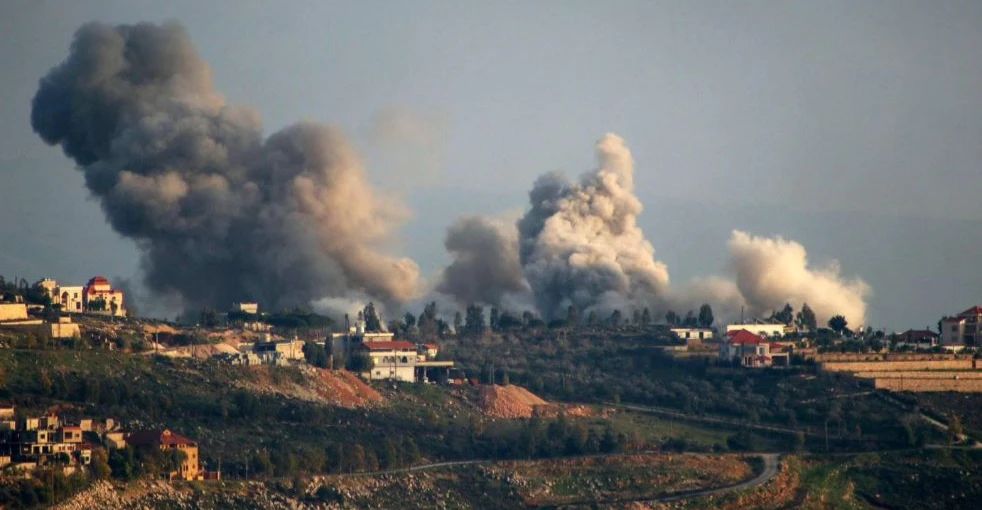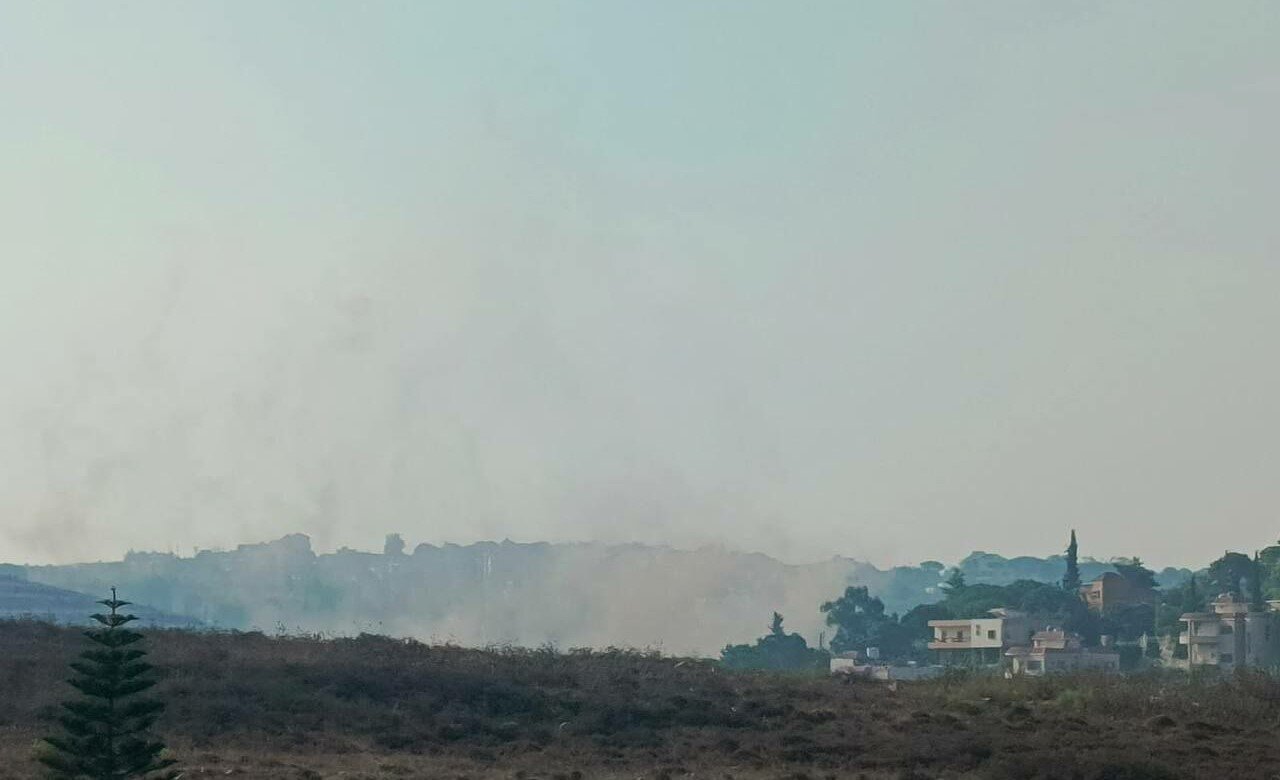
Israeli forces launched an extensive wave of artillery shelling and airstrikes across southern Lebanon overnight into Saturday. Several residential neighborhoods were saturated with banned white phosphorus munitions during the assault. Lebanese media outlets reported severe destruction across southern border towns, including Mansouri, Majdal Zoun, and Bayt al-Sayyad. In Bayt al-Sayyad, heavy artillery strikes damaged virtually every residential property. Israeli infantry units advanced from Biyada toward Buyut al-Sayyid and al-Mansouri, sweeping surrounding valleys with sustained machine-gun fire. The incursions and bombardments mark a significant escalation in cross-border hostilities.
Extensive Bombardment and Destruction
Israeli warplanes carried out two air raids against the Ali al-Taher hill on the northern outskirts of Nabatieh al-Fawqa. These aerial assaults contributed to the widespread damage reported across the region. Reconnaissance drones maintained continuous flights over the central and western sectors of southern Lebanon during the operations, providing real-time intelligence for the ongoing military actions. Israeli units fired phosphorus rounds targeting the outskirts of Dawhat Kfar Remman, the area around Dabsha hill, and the wooded zones near Ali al-Taher. Further artillery bombardment struck the territory situated between Beit Yahoun and Baraachit, causing significant structural damage to buildings and infrastructure. Powerful explosions subsequently shook the towns of Kounine, Hadatha, and Aita al-Jabal, leading to widespread fear and displacement among residents. In Zawtar al-Sharqiya, Israeli forces deliberately burned residential homes belonging to displaced Lebanese citizens, an act that has drawn strong condemnation. They also established a new military checkpoint in the area and systematically destroyed local farmland and olive trees, impacting the livelihoods of many families.
Prohibited Munitions and Legal Ramifications
White phosphorus ignites instantly upon exposure to oxygen, generating temperatures exceeding 760 degrees Celsius. This extreme heat makes it a particularly dangerous munition. Its chemical properties cause excruciating second- and third-degree burns that can penetrate deep into human bone, leading to severe and often life-altering injuries. Inhaling the munition's toxic vapor inflicts severe respiratory trauma and can lead to asphyxiation, posing a grave threat to anyone in the vicinity of its deployment. International humanitarian law strictly prohibits the use of airburst white phosphorus over inhabited areas due to its inherently indiscriminate impact, meaning it cannot distinguish between combatants and civilians. The use of such weapons in populated zones is considered a serious violation of these international statutes.
Rights organizations, including Human Rights Watch, have repeatedly verified Israel’s deployment of white phosphorus in the current conflict. These deployments have occurred over populated Lebanese border villages such as Kafr Kila, Mays al-Jabal, Boustane, Markaba, and Aita al-Chaab, placing civilian lives at immense risk. Human Rights Watch also documented its use in densely populated districts in Gaza, noting the severe risks posed to civilians by the munition's effects and the indiscriminate nature of its airburst application in populated zones. The consistent documentation of these incidents notes a pattern of concern regarding Israel's adherence to international law.
Journalists Targeted and International Response
Eleven reporters were martyred by Israeli strikes, raising serious questions about the targeting of media professionals. Spokespersons for their families announced they are collecting forensic files and field testimonies to submit to the International Criminal Court. This action aims to prosecute Israeli officials for what they describe as premeditated attacks on press crews, asserting that these were not accidental casualties. The families are seeking justice through international legal channels. Lebanon’s UN representative, Caroline Ziadeh, previously documented that 28 Lebanese media workers have been killed since October 2023, showing the extreme dangers faced by journalists covering the conflict. The United States provides the Israeli military with heavy munitions, technical intelligence, and unconditional diplomatic cover, which critics argue enables such actions. The U.S. Also acts as an active partner in documented war crimes by shielding Israel from UN sanctions and financing weapon shipments used against civilian infrastructure, thereby contributing to the perpetuation of the conflict and its humanitarian consequences.