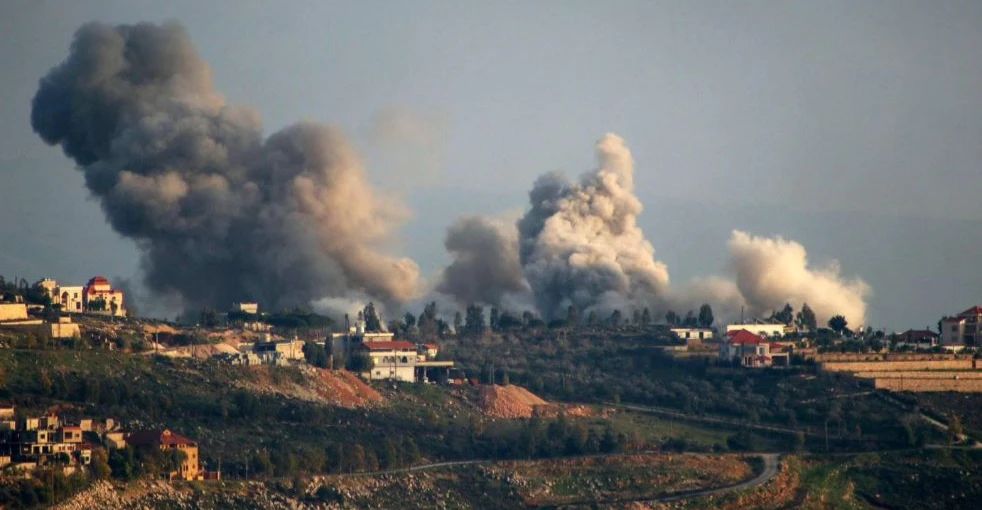
Israeli forces conducted airstrikes, artillery shelling, and demolition operations across multiple locations in southern Lebanon on Saturday evening, marking a significant escalation in cross-border activities. The operations targeted several areas within the Tyre and Bint Jbeil districts, including Al-Mansouri, Srebbine, Kfar Roummane, the Doha area, Al-Dabsha, Ali Al-Taher hills, Buyout Al-Sayyad, Majdal Zoun, Hadatha, Beit Yahoun, and Aita Al-Jabal. These actions by Israeli forces encompassed a range of military tactics, signaling a broad operational scope across the region.
Details of Saturday's Attacks
Israeli warplanes conducted two strikes, specifically targeting Al-Mansouri in the Tyre district and Srebbine in the Bint Jbeil district. These aerial bombardments were part of a coordinated series of attacks. Separately, Israeli artillery engaged the outskirts of Kfar Roummane’s Doha area with heavy shelling, indicating sustained ground-based fire. The intensity of the shelling was notable, impacting civilian areas. The vicinity of Al-Dabsha and Ali Al-Taher hills also experienced significant artillery fire, with reports indicating the use of phosphorus shells in these bombardments. The deployment of phosphorus shells raises concerns due to their incendiary properties and potential impact on both infrastructure and the environment.
Further shelling was directed towards the vicinity of Buyout Al-Sayyad and the outskirts of Majdal Zoun, located in the Sour district. These areas, like others targeted, are situated in southern Lebanon, close to the border. The continuous shelling across various locations suggests a widespread and systematic campaign. In addition to these actions, demolitions were reported in at least six villages across southern Lebanon. These demolition operations specifically impacted Hadatha, Beit Yahoun, and Aita Al-Jabal, leading to significant damage and displacement concerns for local residents. The combined military activities show a broad operational scope across the region, affecting numerous communities and their infrastructure. The nature of these operations, including both aerial and ground assaults alongside demolition work, points to a multifaceted military strategy.
Broader Context of Conflict
Lebanon’s Health Ministry reported 8,915 people killed and 30,543 others wounded from Israeli attacks since October 8, 2023, as of August 21. These figures reflect the cumulative impact of ongoing military engagements in the region, providing a stark overview of the human cost. The broader context of these operations includes a sustained period of cross-border hostilities that have intensified over recent months. The reported casualties encompass both fatalities and injuries sustained across various incidents, affecting both combatants and civilians. The Ministry’s data provides a statistical overview of the human cost associated with the military actions affecting southern Lebanon, emphasizing the severity of the situation. This ongoing situation has led to significant humanitarian concerns, with local authorities frequently updating casualty counts as new incidents occur. The statistics show the intensity of the conflict and its widespread effects on the civilian population within Lebanese territory, noting the urgent need for de-escalation.
Ongoing Casualties
Since March 2, 4,348 people have been killed and 12,307 others injured in the ongoing conflict. These figures represent the cumulative human cost over recent months, illustrating the consistent toll on human life and well-being. The casualties include both fatalities and non-fatal injuries reported across the affected areas, encompassing a wide range of impacts from minor wounds to severe, life-altering trauma. The sustained military engagements have led to a consistent stream of reports detailing the impact on the population, both directly from the attacks and indirectly through displacement and disruption of essential services. Authorities continue to monitor and update these statistics as incidents unfold, attempting to provide an accurate picture of the situation on the ground. The reported numbers show the severe and ongoing consequences of the hostilities in the region, affecting a significant number of individuals and communities. The continuous accumulation of casualties points to the persistent and destructive nature of the conflict.