US President Donald Trump ordered all American airlines to resume direct flights to Lebanon, marking a significant policy shift after a nearly four-decade hiatus. The directive, issued by the White House, clears the way for commercial air travel between the two nations for the first time since the early 1980s. This significant development was reported on July 24, 2026, and is expected to reshape travel and diplomatic relations.
Historic Flight Resumption
US flights to Lebanon had been suspended in 1985, following the hijacking of TWA Flight 847. That incident occurred as the aircraft traveled from Athens, Greece, en route to Rome, Italy. The United States held Hezbollah responsible for the hijacking of TWA Flight 847 at the time. The nearly four-decade ban on direct commercial flights was a direct consequence of this significant security concern, which had profound implications for bilateral travel.
The TWA Flight 847 ordeal, which lasted 17 days, was a harrowing event that prompted the initial suspension. During this protracted period, a US Navy diver was tragically killed, showing the severity of the security challenges that led to the ban. The memory of this incident has long cast a shadow over direct air travel between the two countries.
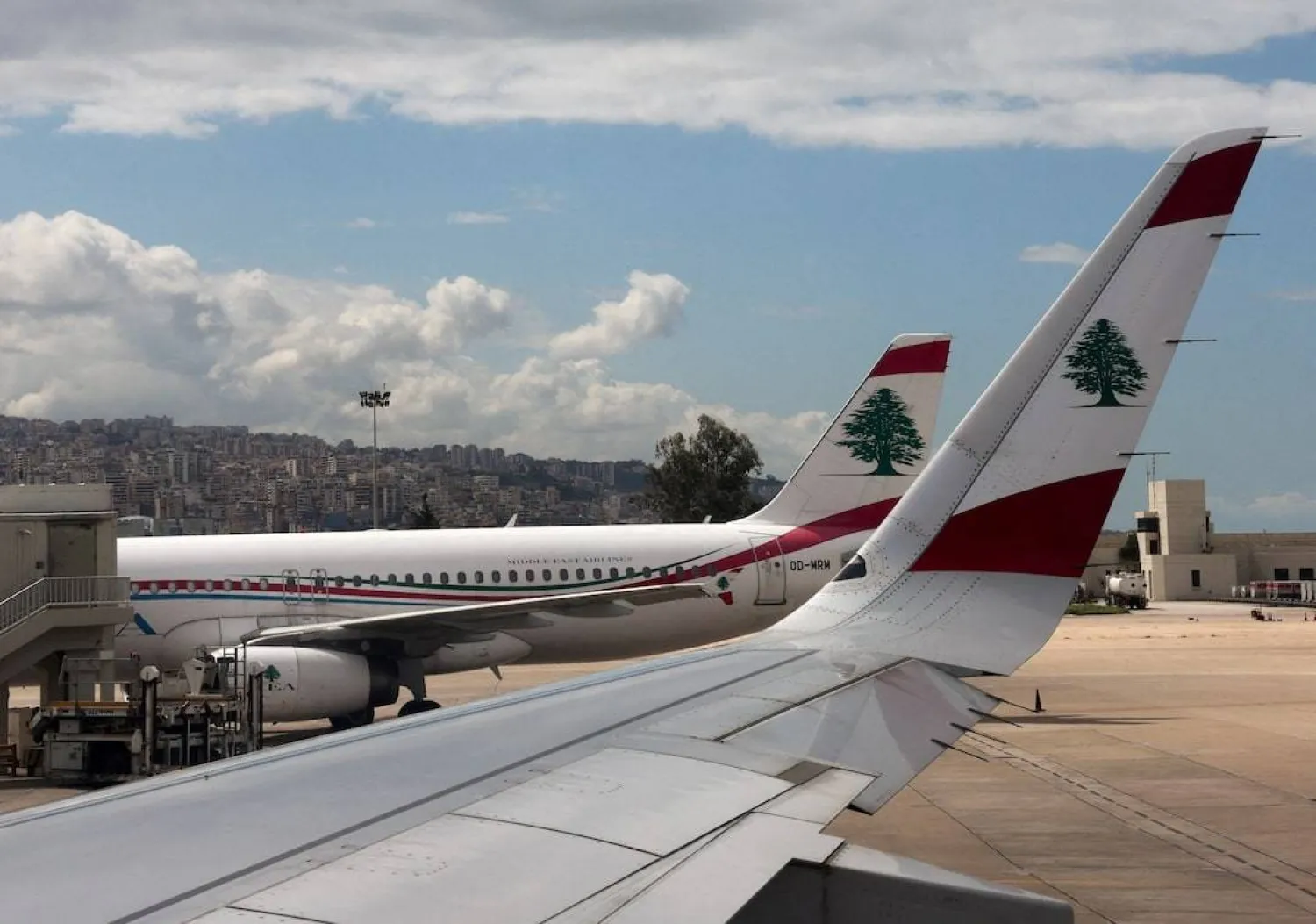
The resumption of flights indicates a significant shift in the US assessment of airport security in Lebanon. Officials have now affirmed that Beirut's Rafik Hariri International Airport meets international safety and security standards. This rigorous assessment was key for the lifting of the long-standing suspension, paving the way for American airlines to operate direct routes to the Lebanese capital once again. This move marks a significant development in diplomatic and travel relations between the two nations, demonstrating renewed confidence in Lebanon's aviation security infrastructure.
Economic and Diplomatic Impact
The announcement regarding the resumption of direct flights followed a meeting between US President Donald Trump and Lebanese President Joseph Aoun at the White House. This high-level engagement showed the strategic importance of the decision. This development is expected to significantly impact Lebanon's economy, investments, and tourism sector, providing a much-needed boost to these vital areas. The re-establishment of direct air links after nearly forty years is seen as a key step in normalizing economic and diplomatic relations, signaling a new chapter in bilateral ties.
Dr. Sami Nader, a Lebanese economist, stated that the resumption of flights sends "a positive message to international financial institutions that place Lebanon on their grey list. It means that Lebanon is returning to the American and global economy." This potential shift in perception could encourage foreign investment and financial partnerships, which are vital for Lebanon's economic recovery and growth. The direct routes are anticipated to facilitate easier travel for business professionals, tourists, and the Lebanese diaspora in the United States, potentially boosting various sectors such as hospitality, retail, and financial services. The increased connectivity is also expected to reduce travel times and costs, making Lebanon a more accessible destination for American travelers and investors.
The move is also expected to strengthen bilateral ties between the two nations beyond just air travel. It signifies a renewed commitment from the US towards Lebanon's stability and economic prospects, reflecting a broader diplomatic engagement. The improved connectivity could lead to increased trade volumes and cultural exchanges, contributing to a broader diplomatic rapprochement. International financial institutions often consider such developments as indicators of a country's stability and its integration into the global economic system, which could influence their assessments and decisions regarding financial aid or investment. The direct flights are not merely a logistical convenience but a powerful symbol of trust and partnership.
Lebanese Government Response
The TWA Flight 847 ordeal, which led to the initial suspension of flights, lasted 17 days. During this period, a US Navy diver was killed, noting the tragic human cost of the incident. Following the US decision to resume direct flights, the Lebanese government responded positively and with evident enthusiasm. Prime Minister Nawaf Salam expressed gratitude and affirmed his government's preparedness to follow all necessary procedures for implementation, demonstrating Lebanon's commitment to facilitating this new era of air travel.
The Prime Minister welcomed the development, stating, "This is a significant opportunity to bolster air travel and communication between Lebanon and the US and support the Lebanese economy." His statement showed the economic and social benefits anticipated from this resumption. The resumption of direct flights will necessitate an update to the bilateral air travel agreement between Lebanon and the United States. This update will ensure that all regulatory frameworks are in place for the re-establishment of commercial air services, covering aspects such as flight schedules, security protocols, and operational procedures. The Lebanese government views this as a key step towards enhancing connectivity and economic ties between the two nations after nearly four decades of suspended direct air travel, paving the way for increased people-to-people exchanges and economic collaboration.