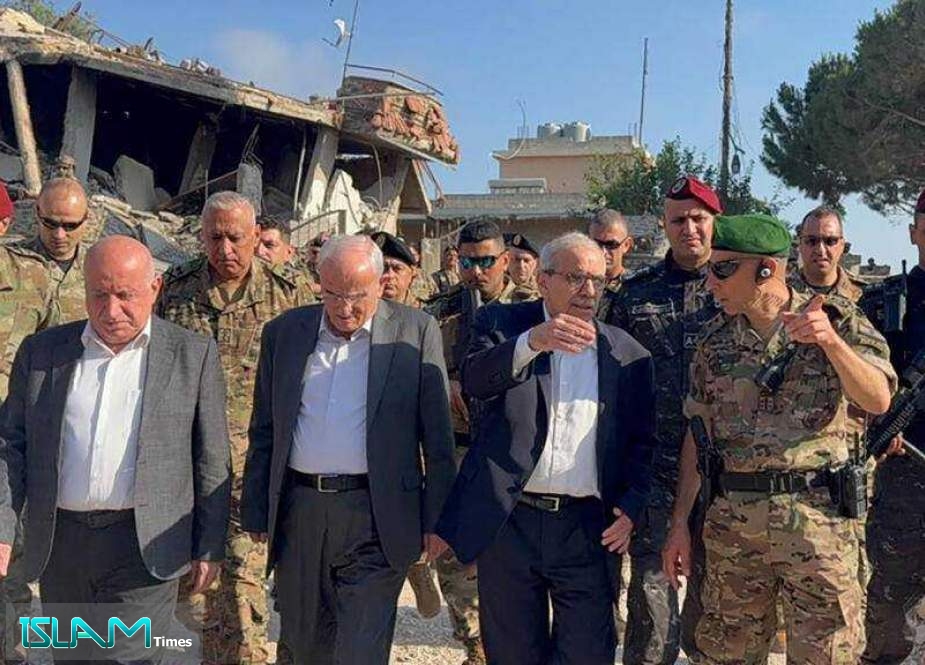
The Lebanese Army has completed its deployment in Zawtar al-Gharbiya, located in the Nabatieh district of southern Lebanon. This strategic move follows the withdrawal of Israeli forces from the area. The army's presence in Zawtar al-Gharbiya aims to establish control and secure the region after the Israeli departure. This deployment marks a significant step in the reassertion of Lebanese state authority over areas previously under Israeli control, emphasizing the nation's commitment to restoring normalcy and security for its citizens.
Army Takes Control
The Lebanese Army has commenced engineering surveys within Zawtar al-Gharbiya. These surveys are part of preparations to facilitate the return of residents to the area following the Israeli withdrawal. The army's presence is aimed at securing the locality and assessing the infrastructure. This action is a key step in re-establishing civilian life and ensuring safety for those returning to their homes in the Nabatieh district of southern Lebanon. The engineering teams are working to identify any potential hazards or necessary repairs to make the environment safe and habitable. Their work is key for ensuring that the returning population can do so without immediate risks. The army's deployment shows its role in maintaining stability and order in the region vacated by Israeli forces. Their activities are focused on enabling a smooth and secure transition for the local population, including assessing the integrity of buildings and public utilities.
Context of Deployment
The deployment of the Lebanese Army to Zawtar al-Gharbiya occurred following the withdrawal of "Israeli" occupation forces (IOF) from the locality. This move aligns with the framework of "pilot zones" that had been agreed upon during negotiations held in Washington. The establishment of these zones aimed to facilitate a structured transition in areas from which Israeli forces departed. The Lebanese Army's presence in Zawtar al-Gharbiya signifies a step towards reasserting state authority and securing the area after the departure of the IOF. This action is part of broader efforts to normalize conditions in southern Lebanon following the Israeli withdrawal, which involved international discussions to define the scope and nature of the returning Lebanese presence. The "pilot zones" concept provided a mechanism for the phased re-establishment of Lebanese control, ensuring a coordinated and monitored process for the handover of territories. This framework was designed to minimize potential friction during the transition period.
Official Statements and Incidents
Lebanese Prime Minister Nawaf Salam visited Zawtar al-Gharbiya concurrently with the army's deployment in the area. Salam stated that the move marked the start of the "Israeli" withdrawal and the return of life to southern Lebanon. The Prime Minister's presence showed the significance of the army's re-establishment of control following the Israeli departure, sending a clear message about the government's commitment to the region. During the deployment, the IOF opened fire near Lebanese Army units in Zawtar al-Gharbiya. This incident occurred while Lebanese forces were securing the locality following the withdrawal of "Israeli" occupation forces. The firing took place in proximity to the newly deployed Lebanese Army personnel, drawing attention to the sensitive nature of the transition in the region and the continued volatility of the border areas. This incident notes the challenges faced by the Lebanese Army as it works to establish full control and secure the newly vacated territories.
Future Outlook
Preparations have commenced to restore essential services including water, electricity, and communications, alongside providing prefabricated housing for residents. These efforts are critical for supporting the return of the local population and rebuilding community life in Zawtar al-Gharbiya. The provision of temporary housing solutions indicates the scale of the reconstruction effort required. Hezbollah’s disarmament could occur if the "Israeli" occupation ends and the Lebanese Army assumes full control over the country. This condition links the future status of non-state armed groups to the complete withdrawal of foreign forces and the full establishment of state sovereignty. The full restoration of essential services and the provision of housing are key steps in demonstrating the state's capacity to govern and provide for its citizens in these areas.