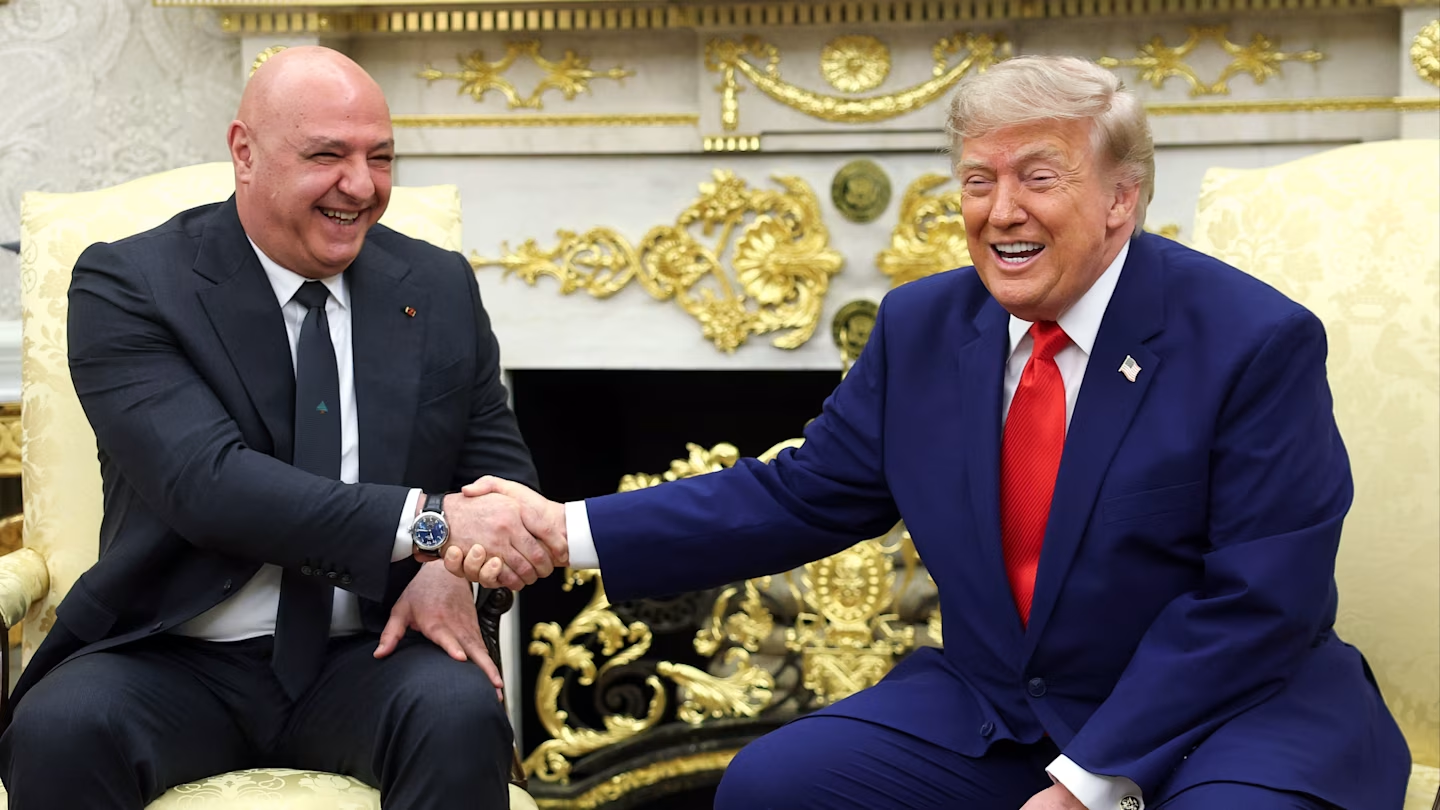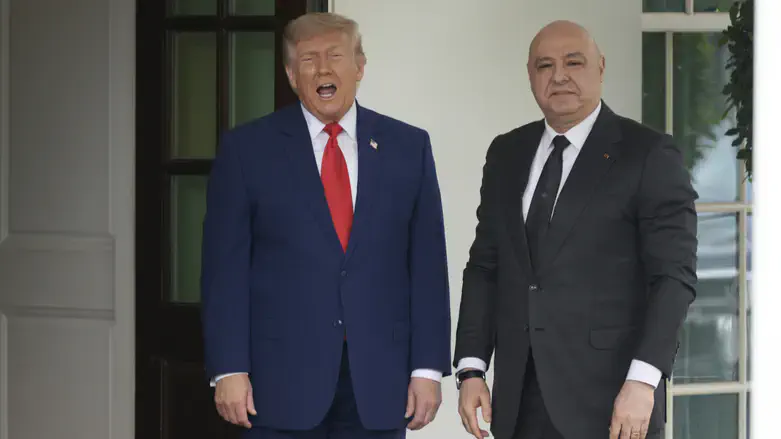
US President Donald Trump announced Tuesday that he has instructed federal agencies to permit American commercial airlines to operate direct flights to Lebanon. The decision marks the end of a 34-year suspension of direct commercial routes between the United States and Lebanon, which had been in place since 1985. The move by the Trump administration aims to re-establish a direct air link after decades, signaling a renewed commitment to strengthening ties with the Middle Eastern nation. This directive follows a significant bilateral meeting at the White House between President Trump and Lebanese President Joseph Aoun, where the possibility of resuming direct air travel was a key topic of discussion.
Bilateral Talks Drive Decision
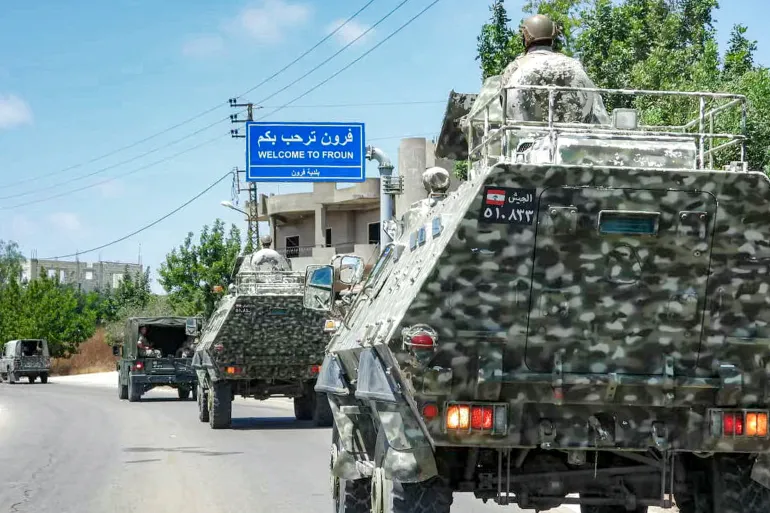
President Trump's decision followed extensive discussions with General Joseph Aoun focused on strengthening bilateral relations between the United States and Lebanon. These high-level talks were instrumental in shaping the administration's policy shift regarding direct flights. The discussions also addressed continuing US backing for the Lebanese Armed Forces (LAF), a critical component of Lebanon's security and stability. The discussions covered supporting the execution of a recent framework agreement, which was brokered between Lebanon and Israel in Washington. This agreement indicates a broader diplomatic effort underpinning the resumption of direct flights, noting the multifaceted nature of the engagement.
The re-establishment of direct air travel is seen as an outcome of these high-level engagements, aiming to enhance ties and facilitate further cooperation across various sectors. The US administration emphasized its commitment to Lebanon's stability and security through these ongoing dialogues, showing the strategic importance of the relationship. The decision to lift the ban is a tangible result of these efforts, intended to foster greater economic and cultural exchange between the two nations. It represents a significant step in normalizing relations and providing a direct conduit for travel and commerce, which had been absent for over three decades.
Historical Context of Ban
Washington halted direct commercial flights between the United States and Lebanon following the high-profile hijacking of TWA Flight 847 in June 1985. The incident, which involved the abduction of passengers and crew, showed significant security vulnerabilities that prompted immediate action from US authorities. Compounding these concerns were the ongoing security risks prevalent during the Lebanese civil war, which raged from 1975 to 1990. The decision to suspend direct air service was made to protect American citizens and commercial interests amidst the volatile political and security landscape in Lebanon.
For over three decades, this ban remained in effect, reflecting persistent concerns about the safety and security of direct air travel to the country. The protracted conflict and its aftermath meant that the conditions for resuming direct flights were not met until recently, as security assessments evolved and diplomatic efforts intensified. The re-evaluation of the security situation and the progress in bilateral discussions ultimately paved the way for President Trump's directive, marking a new chapter in US-Lebanon relations. The lifting of the ban signifies a recognition of improved security conditions and a desire to deepen engagement.
Regional Politics and Hezbollah
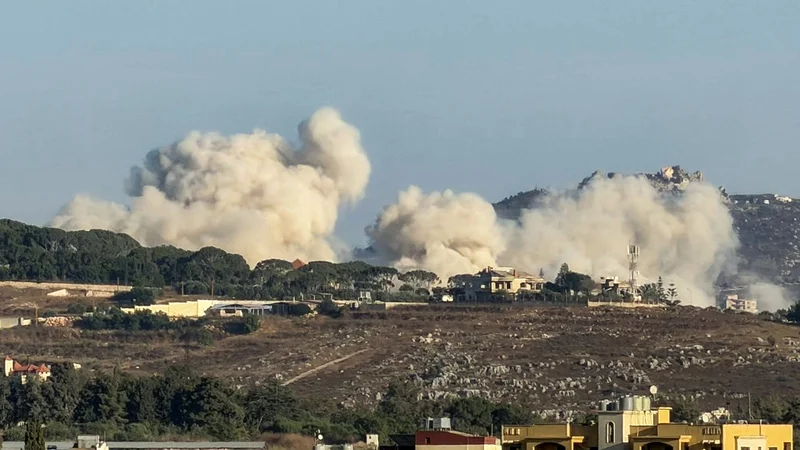
The execution of the framework agreement between Lebanon and Israel is strictly conditional upon the total disarmament of Hezbollah. This condition shows the complex regional political dynamics at play and the significant security concerns that influence diplomatic efforts in the area. The Iran-backed terrorist group has completely rejected both the framework agreement and the underlying bilateral peace talks, creating a substantial hurdle for the full implementation of the pact.
This requirement for Hezbollah's disarmament notes a significant challenge in achieving full implementation of the recently brokered agreement, as the group maintains a powerful presence within Lebanon. Hezbollah's stance indicates potential hurdles for future progress in regional stability and durable peace in the Middle East. The US administration's emphasis on this condition reflects its broader strategy to counter the influence of Iran and its proxies in the region, linking the success of diplomatic initiatives to the demilitarization of non-state actors.
Presidential Statement
The directive from President Donald Trump follows a bilateral meeting at the White House with Lebanese President Joseph Aoun. The discussion between the two leaders preceded the announcement to lift the long-standing ban on direct flights between the United States and Lebanon, solidifying the diplomatic progress made during their engagement. This decision is expected to have a significant impact on travel and trade between the two nations, fostering closer ties and facilitating easier movement for both American and Lebanese citizens.