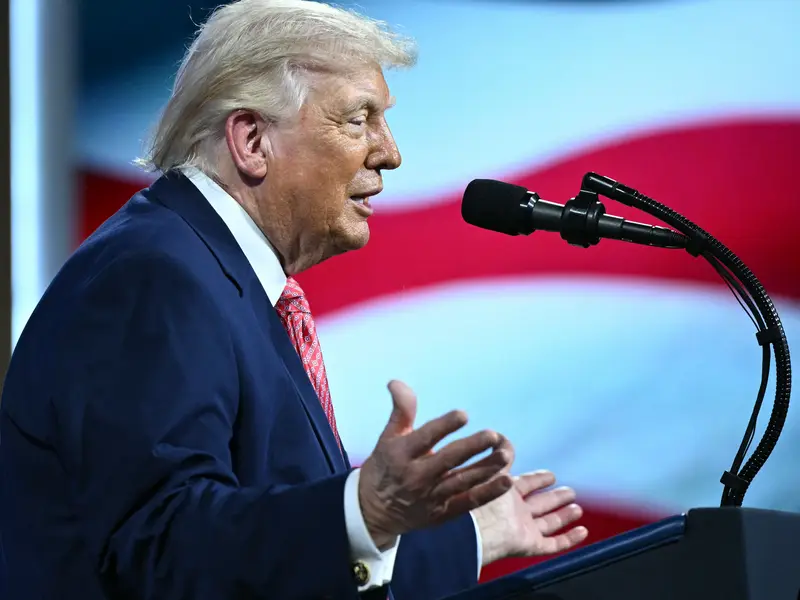
US President Donald Trump announced on Tuesday, July 21, that direct commercial flights to Lebanon are now permitted, lifting a nearly 40-year ban. This significant policy reversal allows American Airlines to operate direct flights to Lebanon, marking a new chapter in the aviation relationship between the two nations. President Trump, speaking from the White House, made the directive clear, stating, "I am hereby directing my Administration to allow all US airline carriers to fly directly to Lebanon so that Americans can easily visit this beautiful land." The decision is expected to facilitate travel and strengthen ties between the United States and Lebanon. The White House emphasized that this move shows the administration's commitment to supporting stability and economic development in the region.
The suspension of direct commercial flights between the United States and Lebanon originated in 1985 under then-President Ronald Reagan. This long-standing aviation ban was initially imposed due to serious security concerns prevalent at the time. While discussing the decision to lift the ban, President Trump acknowledged the persistent security challenges in the region, stating, "There's a Hezbollah problem." Despite this recognition of ongoing issues, President Trump expressed confidence in the future of Lebanon, adding, "We're gonna help it a lot," regarding the country's trajectory. When asked about supporting Lebanon, he confirmed his commitment, remarking, "I do agree with that." President Trump further indicated a positive outlook for the Lebanese leadership, stating, "Now he can have anything," in a gesture of goodwill and support. This statement was interpreted by observers as a sign of renewed US engagement and a willingness to assist Lebanon in various capacities.
Presidential Meeting and Aviation Decision
The decision to permit direct flights lifts an aviation ban originally imposed in 1985, a measure that had profoundly impacted travel and trade between the two countries for decades. The suspension of direct services followed the hijacking of TWA Flight 847, a harrowing incident that showed the severe security risks that prompted the initial restriction. This historical context notes the gravity of the original ban and the careful consideration behind its recent lifting. United States President Donald Trump formally directed his administration to permit US airline carriers to resume direct services to Lebanon, signaling a definitive shift in policy.
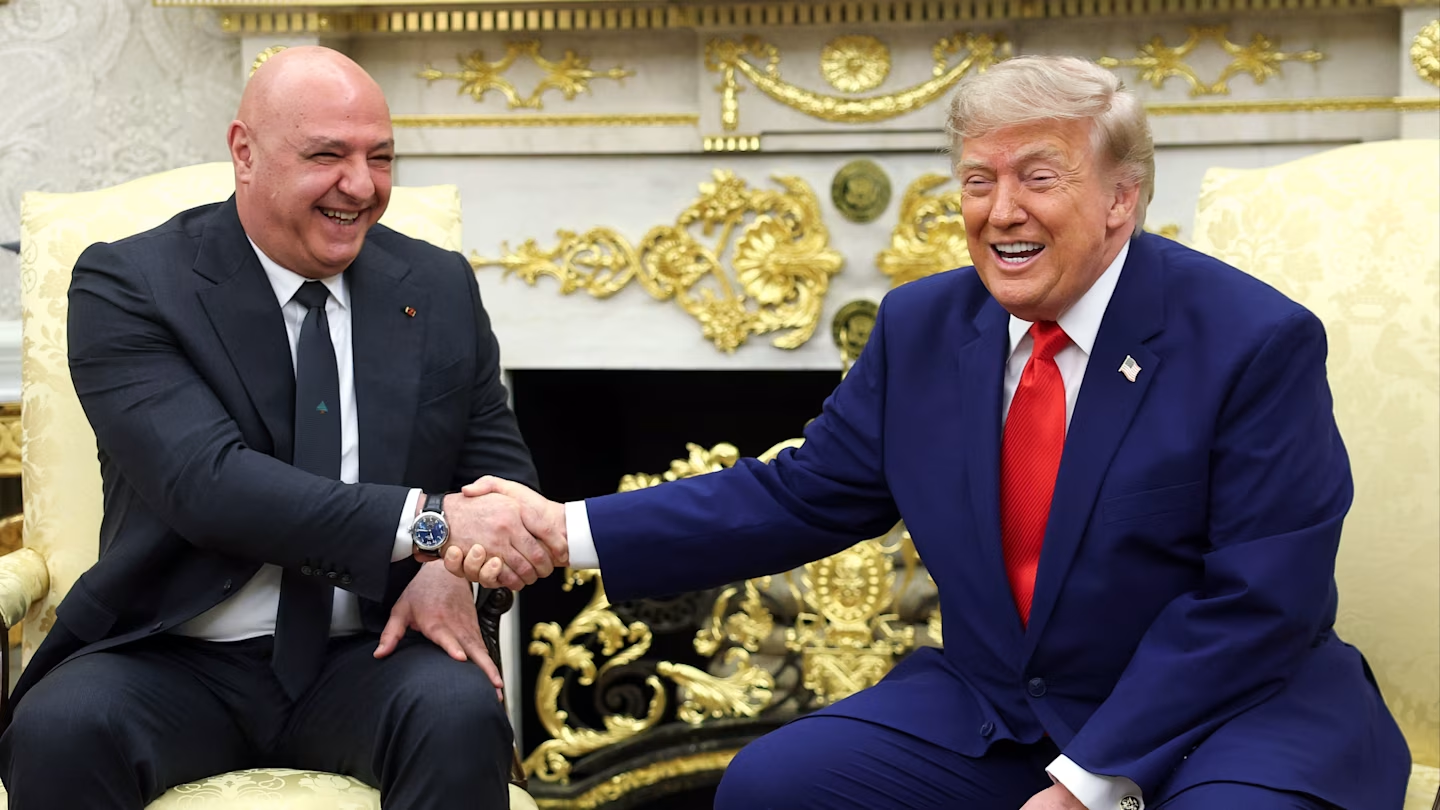
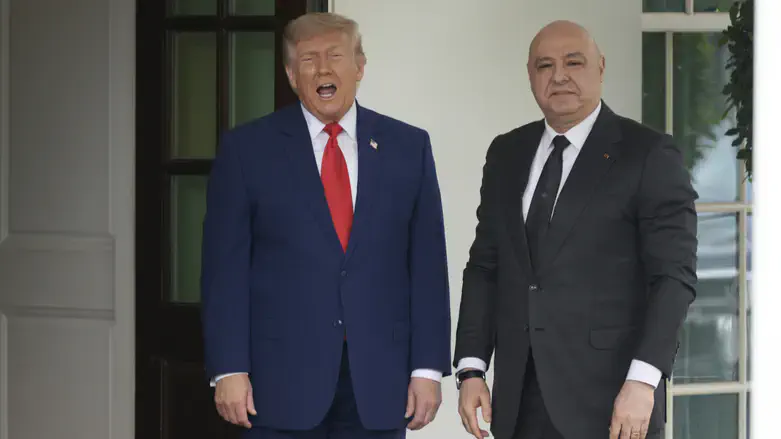
The announcement came after high-level talks at the White House with Lebanese President Michel Aoun. This key meeting marked President Aoun's first visit to Washington since he took office, signifying a renewed diplomatic engagement at the highest levels. It also represented the first visit by a Lebanese president to the White House since 2009, further emphasizing the significance of the occasion and the potential for a strengthened bilateral relationship. The discussions between the two leaders covered a range of topics, including regional security, economic cooperation, and the future of US-Lebanese relations. The lifting of the flight ban emerged as a tangible outcome of these diplomatic efforts, designed to foster greater connectivity and mutual understanding.
The White House meeting provided a platform for both leaders to address pressing issues and explore avenues for collaboration. The discussions were characterized by an open exchange of views on the challenges and opportunities facing Lebanon and the broader Middle East. The decision to restore direct flight access was presented as a gesture of confidence in Lebanon's stability and its efforts to ensure the safety of international travel. This move is expected to have a positive impact on tourism, trade, and cultural exchanges, which have been hampered by the absence of direct air links for such a prolonged period.
Regional Security and Peace Talks
The White House meeting occurred as Washington continues its diplomatic efforts to secure long-term stability within Lebanon, a country grappling with complex internal and regional dynamics. The discussions between the two leaders followed months of intense fighting that has taken place between Israel and the Iran-backed Hezbollah group, showing the volatile security landscape in the region. These ongoing conflicts have created significant challenges for Lebanon, both in terms of its internal security and its broader geopolitical standing. The United States, through these diplomatic channels, aims to play a constructive role in de-escalating tensions and promoting peaceful resolutions.
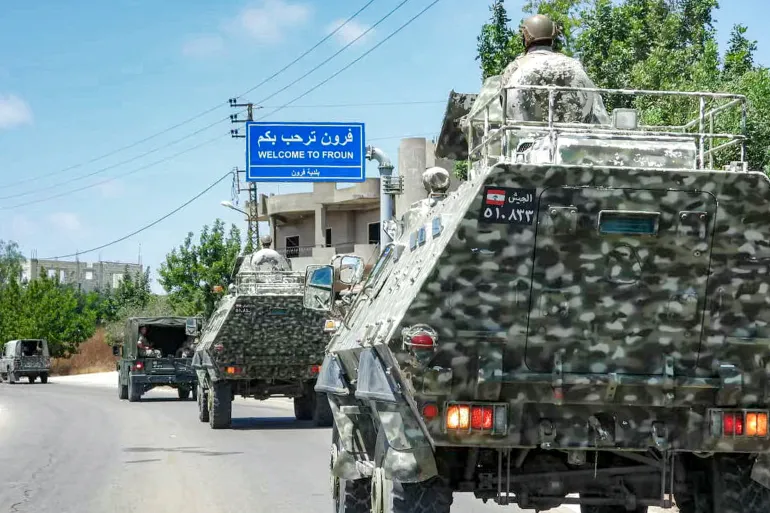
Lebanon, for its part, expressed its hopes that the ongoing talks will contribute to securing a full Israeli military withdrawal from parts of southern Lebanon. This aspiration reflects a long-standing Lebanese demand for the complete sovereignty over its territory and the resolution of border disputes. Additionally, the Lebanese delegation expressed hopes for increased international backing for the Lebanese Armed Forces (LAF). Strengthening the LAF is seen as key for maintaining internal security, protecting Lebanon's borders, and asserting its authority across the country. The request for international support notes Lebanon's reliance on external assistance to bolster its defense capabilities and ensure its territorial integrity. The US administration's engagement with Lebanon is, therefore, a multifaceted approach that seeks to address both immediate security concerns and long-term strategic objectives.
United States President Donald Trump acknowledged the challenge posed by Hezbollah during the discussions, stating, "There's a Hezbollah problem." This statement showed the security concerns that remain central to regional stability and the complexities of the political landscape in Lebanon. The US administration's engagement with Lebanon reflects a broader strategy to address these complex security dynamics, aiming to foster an environment conducive to peace and economic recovery. The discussions also touched upon the importance of regional cooperation in combating terrorism and promoting stability across the Middle East. The lifting of the flight ban, in this context, can be viewed as a signal of renewed confidence in Lebanon's ability to manage its security challenges and ensure the safety of international travelers.
Presidential Statements and Outlook
The announcement regarding direct flights followed President Donald Trump hosting Lebanese President Michel Aoun at the White House. This high-profile meeting served as the backdrop for the significant policy change. The direct commercial flight suspension had been in place for more than 40 years, representing a considerable period of limited connectivity between the two nations. President Aoun is currently on a four-day trip to the United States, utilizing this opportunity to engage with various US officials and stakeholders to advance Lebanon's interests. This extended visit shows the importance Lebanon places on its relationship with the United States and its desire to strengthen bilateral ties across multiple sectors.
During their discussions, President Trump told reporters that Israeli forces were "in the process of doing that. They're in the process of redeploying," referring to a potential Israeli military withdrawal from Lebanese territory. This statement, if materialized, could represent a significant step towards de-escalation and a resolution of long-standing territorial disputes. Such a development would undoubtedly be welcomed by Lebanon and could pave the way for greater stability in the volatile border region. The US President's remarks indicate an active diplomatic effort to facilitate such a withdrawal, demonstrating Washington's role as a mediator in regional conflicts.
President Aoun praised President Trump's approach, stating, "Your vision is peace." This commendation notes Lebanon's appreciation for the US administration's efforts to promote stability and resolve conflicts in the Middle East. He further suggested that the US President would establish a "legacy" through his efforts in the region, particularly in fostering peace and security. The White House meeting and the subsequent lifting of the flight ban signify a renewed diplomatic engagement between the two nations, aiming to address long-standing security concerns and foster stability in Lebanon. This renewed engagement is expected to open new avenues for cooperation, not only in aviation but also in economic, security, and cultural spheres, paving the way for a more strong and mutually beneficial relationship. The decision to restore direct flights is a tangible outcome of these diplomatic efforts, promising increased connectivity and opportunities for growth for both countries.