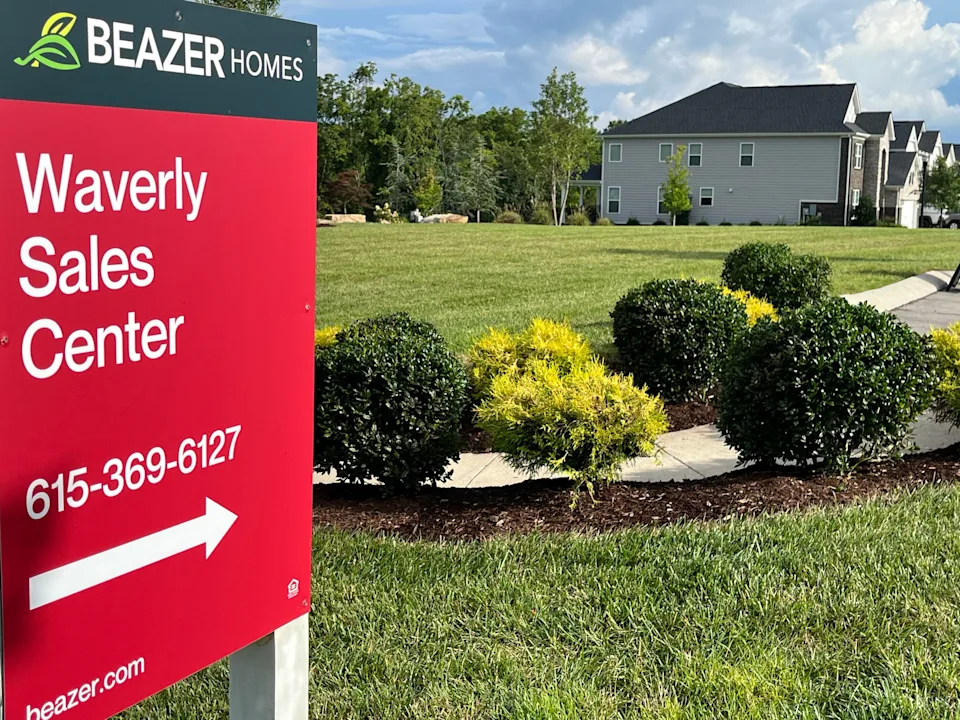
Taxpayers in a Lebanon neighborhood discovered their 2024 city property tax payments had been misdirected, impacting homeowners who believed their obligations were settled. These residents, thinking their financial duties were complete, later found that payments intended for Lebanon had been erroneously sent to the incorrect city. In a related issue, some parcels within the Waverly subdivision were erroneously billed for Mt. Juliet taxes for 2024, despite being annexed into Lebanon. This significant mailing mistake has resulted in a considerable number of residents facing potential tax penalties and unexpected financial burdens.
Root of the Confusion
The confusion surrounding the property tax payments originated from the unique geographical and administrative status of the Waverly subdivision. Although the neighborhood is unequivocally annexed into the City of Lebanon, it shares a Mt. Juliet ZIP code. This persistent discrepancy in postal addressing versus municipal annexation created an environment where tax bills could be easily misdirected or misinterpreted. Homeowners in Waverly, expecting to pay their municipal taxes directly to Lebanon, received documents or instructions that inadvertently led them to mistakenly send their payments to Mt. Juliet. The dual identity of the subdivision, characterized by its Lebanon annexation and a Mt. Juliet ZIP code, became a central factor in the subsequent mailing error and the potential tax penalties now faced by residents. This complex situation notes the challenges that can arise when geographical boundaries and postal designations do not align perfectly.
Financial Fallout for Residents
The mailing error significantly impacted an estimated 44 taxpayers within the new Waverly subdivision. For residents like Kayla Brown, the financial implications were substantial and unexpected. Her 2024 tax bill to Lebanon, which should have been approximately $587, escalated dramatically to $962 due to the accumulation of accrued interest, penalties, and legal fees. This increase represents a considerable financial strain for affected homeowners. Meanwhile, the City of Mt. Juliet, having received these misdirected funds, subsequently refunded the tax payments that homeowners had mistakenly directed to them. This situation has left affected residents grappling with unexpected financial burdens as they work diligently to rectify the misdirected payments and avoid further penalties from the City of Lebanon. The intricate process of retrieving refunds from Mt. Juliet and subsequently ensuring proper payment to Lebanon has added significant complexity and stress to their tax obligations, showing the severity of the initial error.
Legal and Developer Perspectives
Affected landowners received past-due Lebanon tax bills that included accrued interest and penalties. These charges stemmed directly from the initial mailing error that diverted payments from Lebanon to Mt. Juliet, causing the Lebanon accounts to register as unpaid.
Lebanon officials had initially intended to inform new property owners about any outstanding 2024 tax balances through their forthcoming 2025 tax bills. However, a critical software error within the city's system prevented these key notifications from being issued as planned. This technical malfunction meant that homeowners were not directly alerted to their unpaid 2024 obligations in a timely manner, significantly contributing to the accumulation of additional fees, interest, and penalties on their accounts. This oversight exacerbated the financial impact on residents who were already dealing with the confusion of misdirected payments.
Homeowner and Official Reactions
The Waverly subdivision is strategically situated just off State Route 109 and north of Interstate 40 within Lebanon, making its municipal identity clear despite the ZIP code confusion. Tennessee law mandates that no individual, public official, governmental entity, or court possesses the power or authority to waive, compromise, or release the total amount owing or the liens securing them. This legal constraint means that the city is bound by statute and cannot simply forgive the accrued interest and penalties, regardless of the circumstances that led to the error. This rigid legal framework presents a significant challenge for both the affected homeowners and city officials seeking a resolution. The inability to waive these charges places the full burden of the error, including all additional fees, squarely on the shoulders of the taxpayers, despite the initial mailing and software errors.