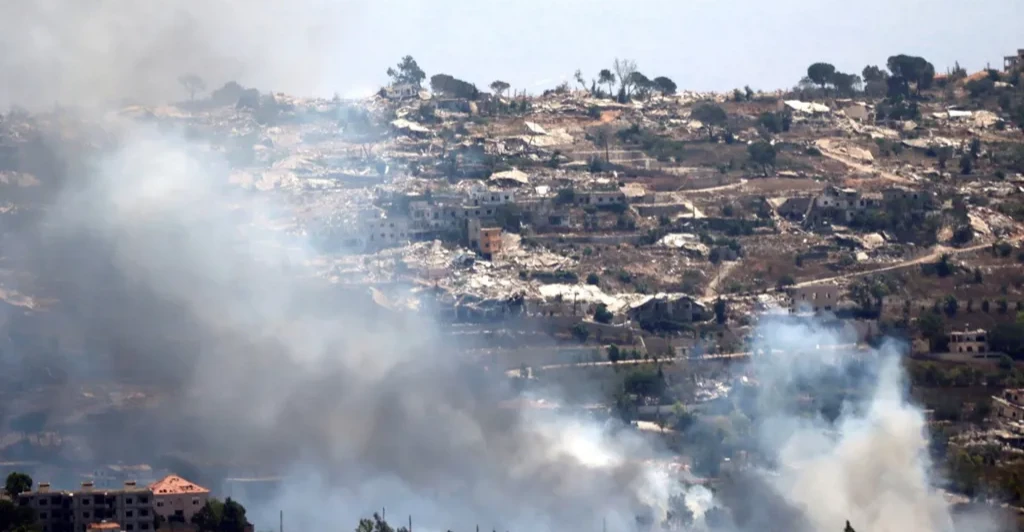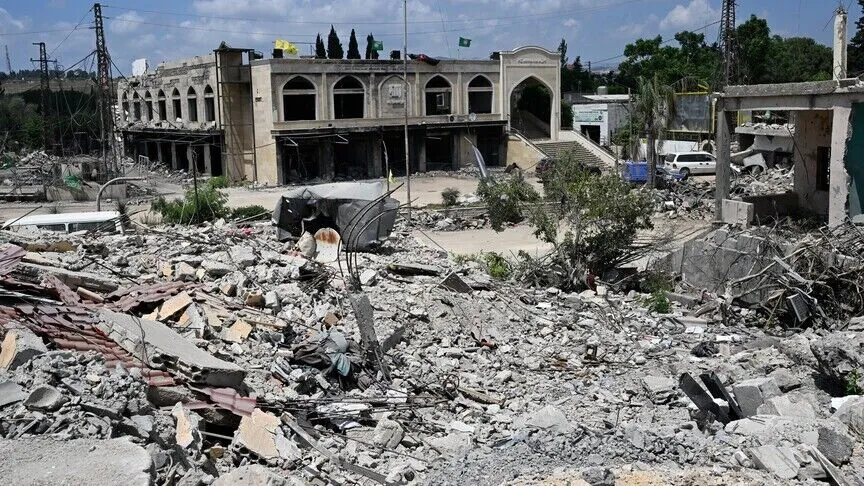
The UN Committee on the Elimination of Racial Discrimination (CERD) expressed profound alarm on Wednesday regarding the ongoing Israeli military operations in Lebanon. The committee noted the severe consequences of these operations, including civilian deaths, mass displacement, and widespread destruction throughout the country. CERD specifically called for an immediate end to rhetoric dehumanizing the Lebanese population, emphasizing that such language actively contributes to an environment of hatred and hostility. The committee's concerns show the urgent need for adherence to international humanitarian law and human rights principles in the conflict zone.
Escalating Destruction and Rhetoric
The UN Committee on the Elimination of Racial Discrimination (CERD) specifically noted several statements made by Israeli officials that have drawn international condemnation. Among these were threats to impose on Lebanon the "same level of destruction" as seen in Gaza, a comparison that raised serious concerns about potential widespread devastation. The committee also cited remarks from the Israeli defense minister, who was quoted by CERD as characterizing "the Shia inhabitants of 24 villages in southern Lebanon as enemies." This statement, according to CERD, was used to justify the complete destruction of their homes, thereby exacerbating the humanitarian crisis. These instances were noted by CERD as clear examples of rhetoric contributing to an atmosphere of hatred and hostility, which the committee explicitly called to cease.
Humanitarian Impact in Lebanon
The humanitarian situation in Lebanon has deteriorated significantly, with entire villages in southern Lebanon reportedly rendered uninhabitable due to ongoing military operations. The relentless strikes and demolitions have systematically destroyed homes and critical civilian infrastructure. This destruction includes essential facilities such as schools, health facilities, water and electricity infrastructure, places of worship, and agricultural land, severely impacting the daily lives and livelihoods of the population. The human toll in Lebanon is staggering, with more than 4,300 people reportedly killed and at least 12,200 injured as a direct result of the conflict.
The displacement figures illustrate the scale of the crisis: more than 1 million people were displaced in Lebanon in less than three weeks in March alone. Displacement orders affected at least 189 towns and villages across the country, forcing countless families to abandon their homes. By the end of July, more than 360,000 people remained displaced in Lebanon, with around 27,200 of them staying in collective shelters, noting the prolonged nature of the displacement crisis and the ongoing need for shelter and support.
Broader Legal and Humanitarian Calls
The UN Committee on the Elimination of Racial Discrimination (CERD) showed a critical legal principle, stressing that the prohibition of racial discrimination remains in effect and cannot be suspended during armed conflict. This emphasizes the continuous obligation of all parties to uphold fundamental human rights even amidst hostilities. While condemning the Israeli rhetoric and its impact, CERD also raised significant concerns regarding rockets fired by Hezbollah into populated areas in Israel. These attacks reportedly caused civilian casualties and damage to civilian infrastructure, further demonstrating the devastating impact of the conflict on both sides.
The committee issued a full call to action, urging Israel and all parties involved to immediately cease attacks directed against, or indiscriminately affecting, civilians and civilian objects. CERD further urged Israel to rescind blanket displacement and evacuation orders in Lebanon, which have contributed to the mass displacement. Concurrently, the committee called on Israel to facilitate the safe, voluntary, and dignified return of displaced people to their homes. Additionally, CERD demanded unimpeded humanitarian access to those in need, ensuring that vital aid can reach affected populations. In a broader appeal to the international community, CERD urged states to refrain from transferring arms or military equipment where there is a clear risk they could be used to facilitate violations of international law, thereby seeking to prevent further escalation and human rights abuses.