Lebanon's state National Council for Scientific Research (CNRS) reports that Israeli military activity has caused 160 square kilometers of land in Lebanon to be set ablaze since hostilities between Israel and Hezbollah began in October 2023. Approximately half of the affected area is agricultural land, a significant blow to the region's economy and food security. The ongoing conflict has led to widespread environmental devastation, with Lebanese officials condemning the actions as deliberate and systematic. The latest period of intense fighting flared in March, contributing to the widespread fires across southern Lebanon and exacerbating the humanitarian and ecological crisis.
Extent of Destruction
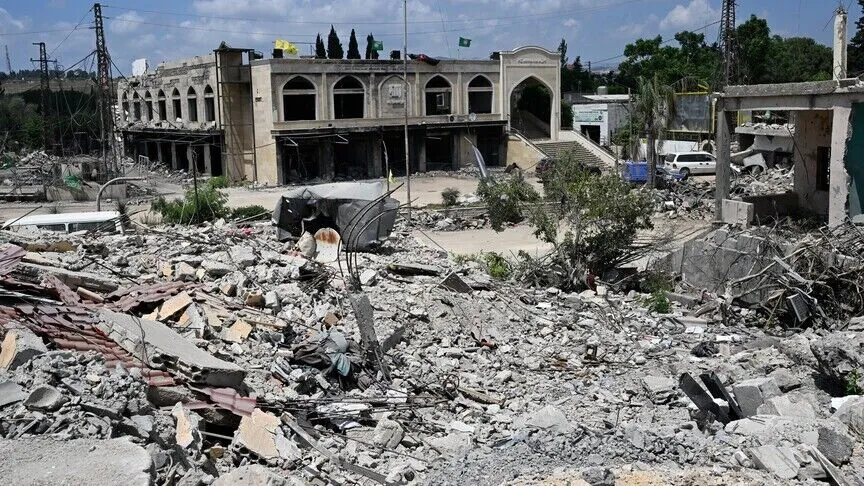
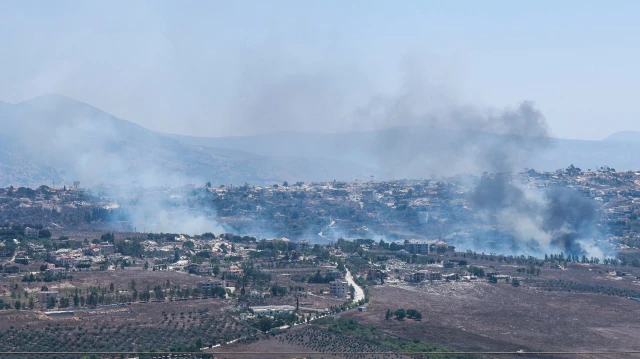
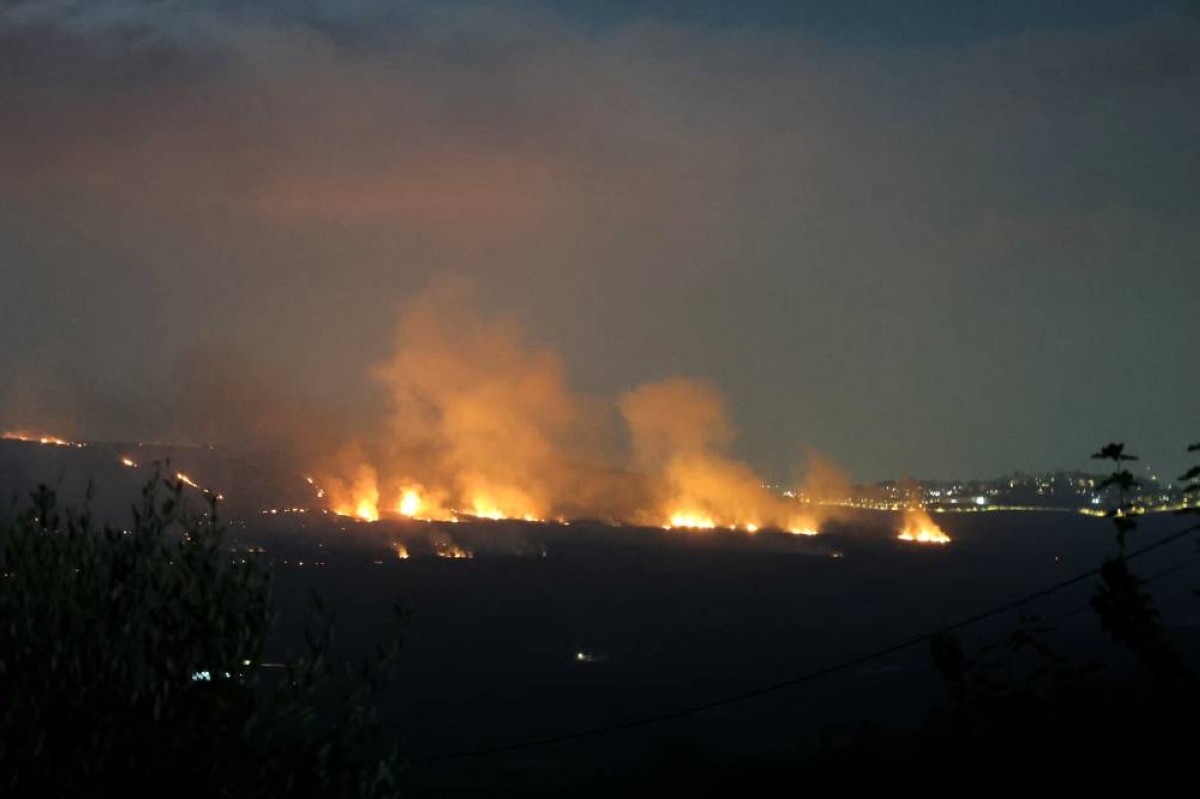
The scale of the destruction is alarming, impacting both natural landscapes and agricultural livelihoods. Haidar Qoteish, from the village of Shaqra, described witnessing fires consume fields and orchards in his hometown of Hula. Hula is located 5 kilometers (3 miles) from Shaqra, but falls under Israeli military control, making access and firefighting efforts challenging for Lebanese teams. These fires have not only destroyed crops but also vital ecosystems. An AFP photographer documented multiple fires burning in south Lebanon, primarily within Israel's self-declared "security zone." This zone extends approximately 10 kilometers (6 miles) into Lebanese territory along the border, further complicating efforts to contain and extinguish the blazes. The presence of this zone, combined with military operations, has created a perilous environment for both residents and emergency responders.
Chadi Abdallah, director of the CNRS, stated that during the initial 2023-2024 hostilities, "fires were limited to the border strip," indicating a more contained impact at the outset of the conflict. However, he noted that the fires have since spread more broadly after the conflict reignited this year, suggesting an escalation in their geographic reach and intensity. This expansion has brought the destruction closer to populated areas and vital infrastructure. During the previous war, approximately 8,500 hectares (85 square kilometers) of land were burned, setting a precedent for environmental damage during periods of conflict. This year, around 7,500 hectares have been affected by fires, including 350 hectares after a June agreement, demonstrating the persistent nature of the problem even during periods of supposed de-escalation. CNRS satellite imagery has shown formerly green areas that have vanished due to fires, alongside evidence of bulldozing and vegetation uprooting, painting a stark picture of deliberate and extensive environmental alteration. The loss of these green spaces has long-term implications for biodiversity, soil stability, and the local climate.
Accusations and Methods
The Lebanese government has been vocal in its condemnation of Israel's actions, framing them as a deliberate strategy of environmental warfare. Prime Minister Nawaf Salam accused Israel of pursuing a "scorched-earth policy" in southern Lebanon, a severe allegation that implies intentional destruction of land and resources to render an area uninhabitable or unusable. This claim has been echoed by other Lebanese officials regarding the widespread fires, pointing to a concerted effort by the Israeli military. Environment Minister Tamara Elzein condemned what she termed "ecocide," a term used to describe widespread or systematic destruction of the natural environment, stating that the Israeli army was "deliberately" burning Lebanese land. This accusation notes a pattern of environmental destruction alleged by Lebanese authorities, suggesting that the fires are not merely collateral damage but a tactic.
Chadi Abdallah, director of the National Council for Scientific Research (CNRS), further elaborated on these claims, accusing the Israeli army of "systematically burning land." Abdallah suggested this systematic burning was part of a broader strategy, stating that Israel was "trying to create a buffer zone devoid of homes, people and the natural environment." This alleged tactic aims to depopulate and denaturalize the border region, effectively creating a no-man's land to enhance security or strategic advantage. The implication is that the environmental destruction serves a military objective beyond immediate combat.
Hussein Fakih, head of the civil defense agency for the Nabatieh region, provided details on the suspected methods used to ignite the blazes. Fakih told AFP that the fires had been sparked by Israeli "bombs and drones," indicating direct military action as the cause. He also indicated that incendiary phosphorous shells and cluster munitions were sometimes responsible for starting the fires. The use of such munitions, particularly incendiary phosphorus, is highly controversial due to its indiscriminate nature and potential for severe burns and environmental contamination. These methods suggest a deliberate and varied approach to causing widespread conflagrations across the affected areas, raising serious concerns about adherence to international humanitarian law.
Official Response and Impact
The impact of these alleged actions extends beyond immediate environmental damage, affecting communities and vital natural reserves. Hussein Fakih, head of the civil defense agency for the Nabatieh region, reported that his teams have observed fires both inside and next to areas where Israeli troops are stationed since July. This proximity to military positions further supports the claims of Israeli involvement in igniting the blazes. Fakih previously stated that fires had been sparked by Israeli "bombs and drones," reinforcing the consistent nature of these observations. In Kfarshuba, Mayor Qassem Al-Qadri said an Israeli attack this month ignited a fire that spread across a broad area, primarily affecting "mostly forest." The destruction of forests has long-term ecological consequences, including habitat loss, soil erosion, and increased carbon emissions.
Lebanon's state-run National News Agency reported this month that Israeli forces had uprooted 600 olive trees in one southern village alone. The uprooting of olive trees, a symbol of peace and a vital agricultural product in Lebanon, represents a direct attack on the livelihoods of farmers and the cultural heritage of the region. This action contributes to the broader environmental damage documented across the region, which includes both direct burning and physical alteration of the landscape. The Lebanese environmental group Green Southerners issued a warning that "major nature reserves in southern Lebanon have also been subjected to extensive and repeated destruction." This statement notes concerns about the long-term ecological impact of the ongoing hostilities, emphasizing that irreplaceable natural heritage is at risk. The destruction of these reserves could lead to a significant loss of biodiversity and ecosystem services.
The cumulative effect of these fires and environmental alterations poses a severe threat to Lebanon's natural resources and the well-being of its southern communities. The destruction of agricultural land impacts food security and the economic stability of rural populations, many of whom rely on farming for their income. The loss of forests and nature reserves not only affects biodiversity but also exacerbates climate change impacts, such as increased temperatures and reduced air quality. The ongoing nature of these incidents, as documented by the CNRS and local officials, suggests a persistent pattern of environmental degradation linked to military activities. The calls for international attention to these alleged "ecocide" and "scorched-earth policies" show the gravity of the situation and the urgent need for investigation and accountability.
Israeli Military Statement
The Israeli military has not issued any public statements directly addressing Lebanon's accusations of a "scorched-earth policy" or the specific claims regarding the deliberate ignition of fires in southern Lebanon. This silence leaves the allegations unchallenged from an official Israeli perspective. There has been no official response from Jerusalem concerning the alleged use of bombs, drones, incendiary phosphorus shells, or cluster munitions to start blazes, nor have they provided alternative explanations for the widespread fires. Similarly, the military has not commented on reports of uprooted olive trees or the destruction of nature reserves in the region. The absence of a response from the Israeli military means that the Lebanese claims remain unrefuted by the accused party, leaving a significant information gap regarding the incidents. This lack of official comment contributes to the ongoing tension and uncertainty surrounding the environmental impact of the conflict.