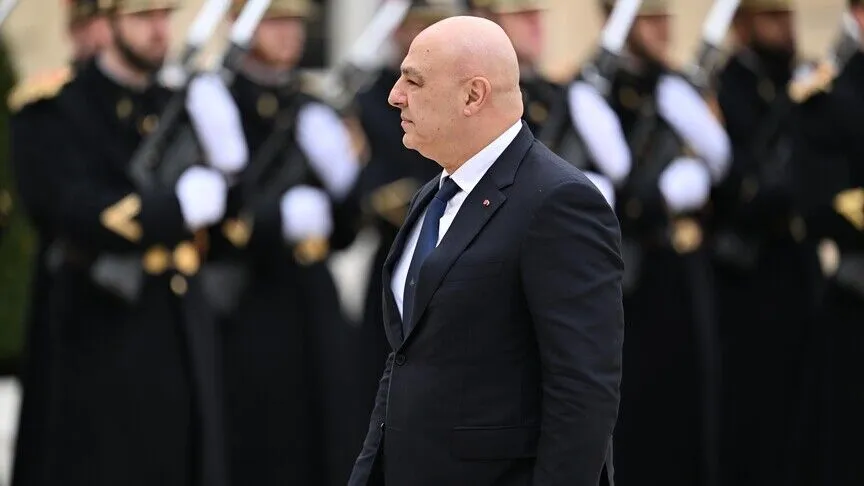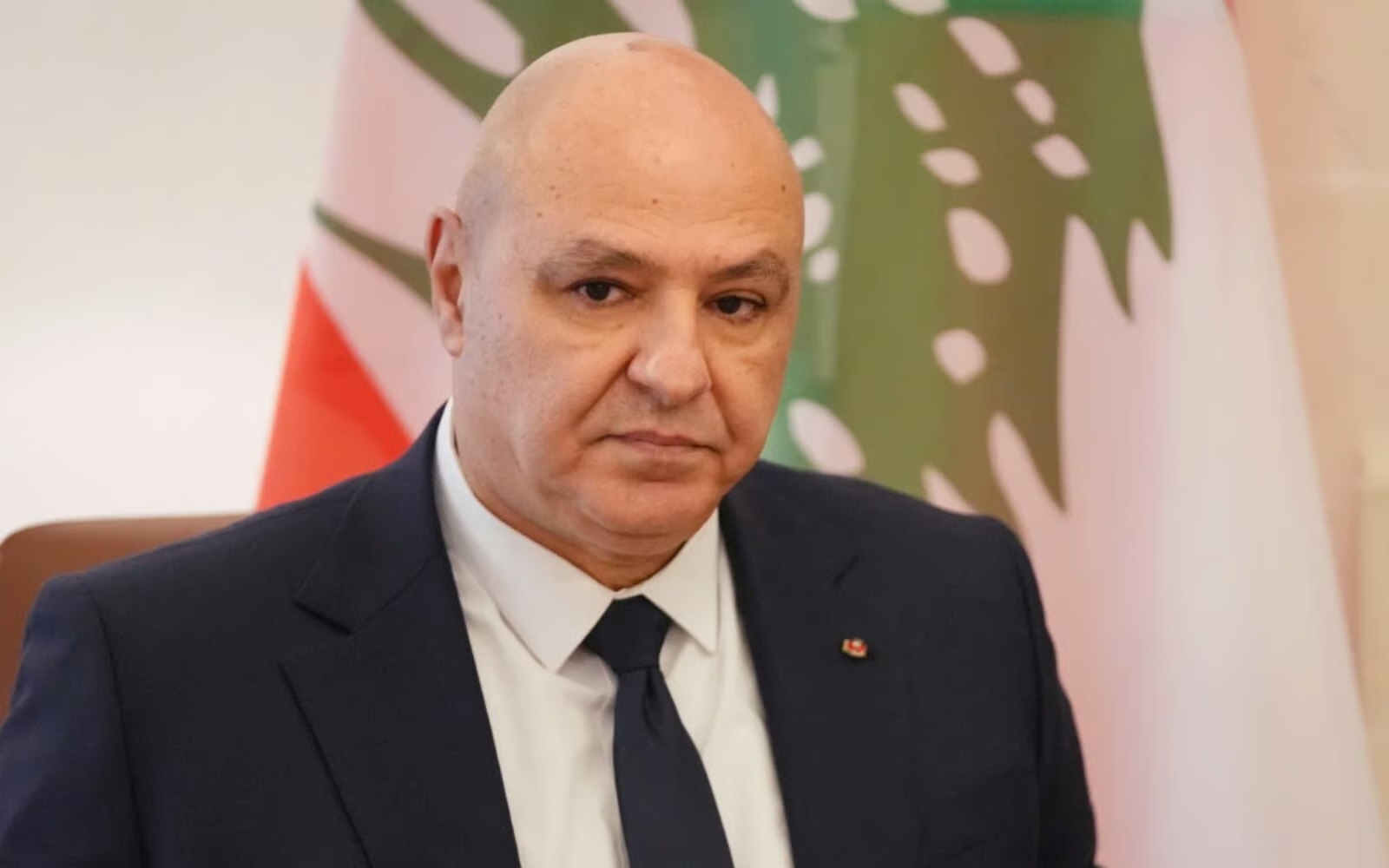
Lebanon’s President Joseph Aoun departed Beirut for Washington, DC, on Saturday, where he is expected to meet with US President Donald Trump. This high-level diplomatic engagement shows the urgent need to address the ongoing security situation in the Middle East. Their discussions will focus on the situation in Lebanon and efforts to solidify the ceasefire with Israel. The primary aim is to establish a more stable and lasting peace in the region. According to Lebanese officials, the talks will also aim to "secure Israel’s withdrawal from the Lebanese territories it occupies and extend the authority of the Lebanese state throughout the country." This objective is central to Lebanon's long-term stability and sovereignty. This visit follows the conclusion of the sixth round of US-sponsored Lebanese-Israeli negotiations in Rome on Wednesday, indicating a sustained diplomatic push to resolve long-standing tensions.
Framework for Withdrawal
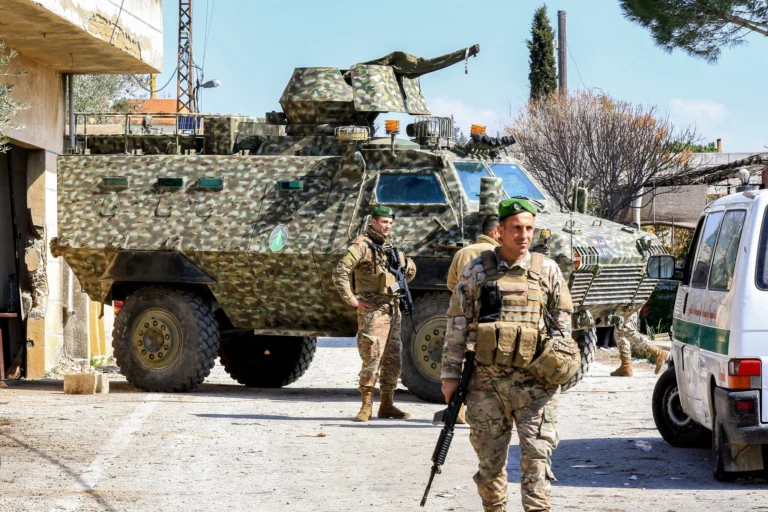
Beirut and Tel Aviv formalized a US-mediated framework agreement on June 26, establishing a pathway for future negotiations between the two nations. This agreement, signed by representatives from both countries, represents a key step in the protracted peace process. The agreement outlines a phased Israeli withdrawal from all occupied Lebanese territory. This withdrawal is directly linked to the Lebanese army assuming full security responsibility in the evacuated areas, a condition designed to prevent any security vacuum. The framework stipulates the disarmament of armed groups operating within those territories, intended to consolidate state control following any Israeli pullout and ensure the Lebanese government's authority. The accord marks a significant step in the ongoing efforts to stabilize the border region and redefine security arrangements between the two nations, providing a structured approach to addressing complex territorial and security issues.
Context of Conflict
Israeli attacks in Lebanon have resulted in more than 4,300 fatalities and 12,200 injuries since March 2. This significant number of casualties shows the ongoing security challenges in the region and the profound humanitarian impact of the conflict. This period of intensified conflict has prompted diplomatic efforts aimed at de-escalation and the implementation of a lasting ceasefire between the two nations. The discussions in Washington are expected to address the humanitarian impact of these attacks and explore mechanisms to prevent further loss of life and injury among the civilian population. The Lebanese government has consistently called for international intervention to protect its civilian population and ensure respect for its sovereignty, emphasizing the need for a durable resolution. These figures provide a stark backdrop to President Aoun's current discussions in the United States, noting the critical importance of achieving a peaceful resolution.
Diplomatic Efforts
The upcoming visit by Lebanese President Joseph Aoun to Washington, DC, marks a key stage in ongoing diplomatic efforts to resolve the protracted conflict with Israel. President Aoun's discussions with US President Donald Trump are central to advancing the ceasefire and securing an Israeli withdrawal from Lebanese territories, which remains a key demand from Beirut. These talks follow a series of US-sponsored negotiations, including the sixth round held in Rome, which have laid the groundwork for potential resolutions and demonstrated a commitment to dialogue.
Beirut and Tel Aviv previously agreed to a US-mediated framework on June 26. This framework aims to facilitate a phased Israeli withdrawal from occupied Lebanese territory, providing a structured approach to disengagement. The agreement stipulates that the Lebanese army would assume full security responsibility in the evacuated areas, alongside the disarmament of armed groups operating there, thereby ensuring stability and state control. Lebanese officials have consistently stressed the importance of extending the Lebanese state's authority throughout the country, viewing it as essential for national sovereignty and security. The high casualty figures from recent Israeli attacks in Lebanon, totaling more than 4,300 fatalities and 12,200 injuries since March 2, show the urgency of these high-level diplomatic engagements and the pressing need for a lasting peace agreement.