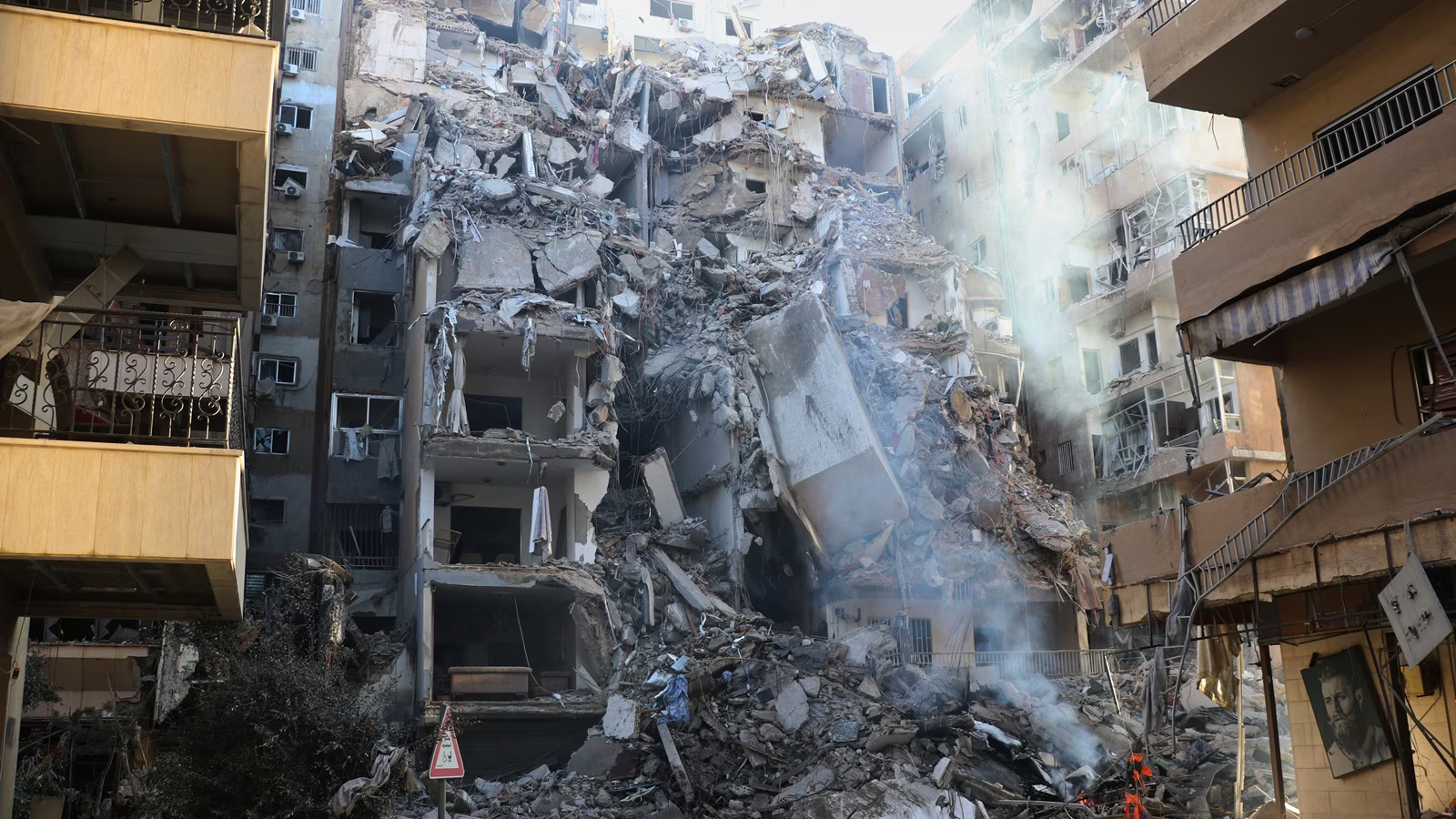
Lebanese Prime Minister Nawaf Salam on Wednesday accused Israel of implementing a "scorched-earth policy" in southern Lebanon, describing the intensified strikes as "collective punishment." Speaking publicly, Prime Minister Salam asserted that Israel was "destroying towns and villages, and forcing their inhabitants into exile" through its military operations. He added that such actions, characterized by their destructive nature and impact on civilian populations, would bring "neither security nor stability" to the region, and specifically warned that they would not achieve security for Israel itself. The accusation from the Lebanese head of government comes amid heightened military activity observed in the border area, leading to significant concerns about regional stability and the humanitarian situation.
Escalating Border Violence
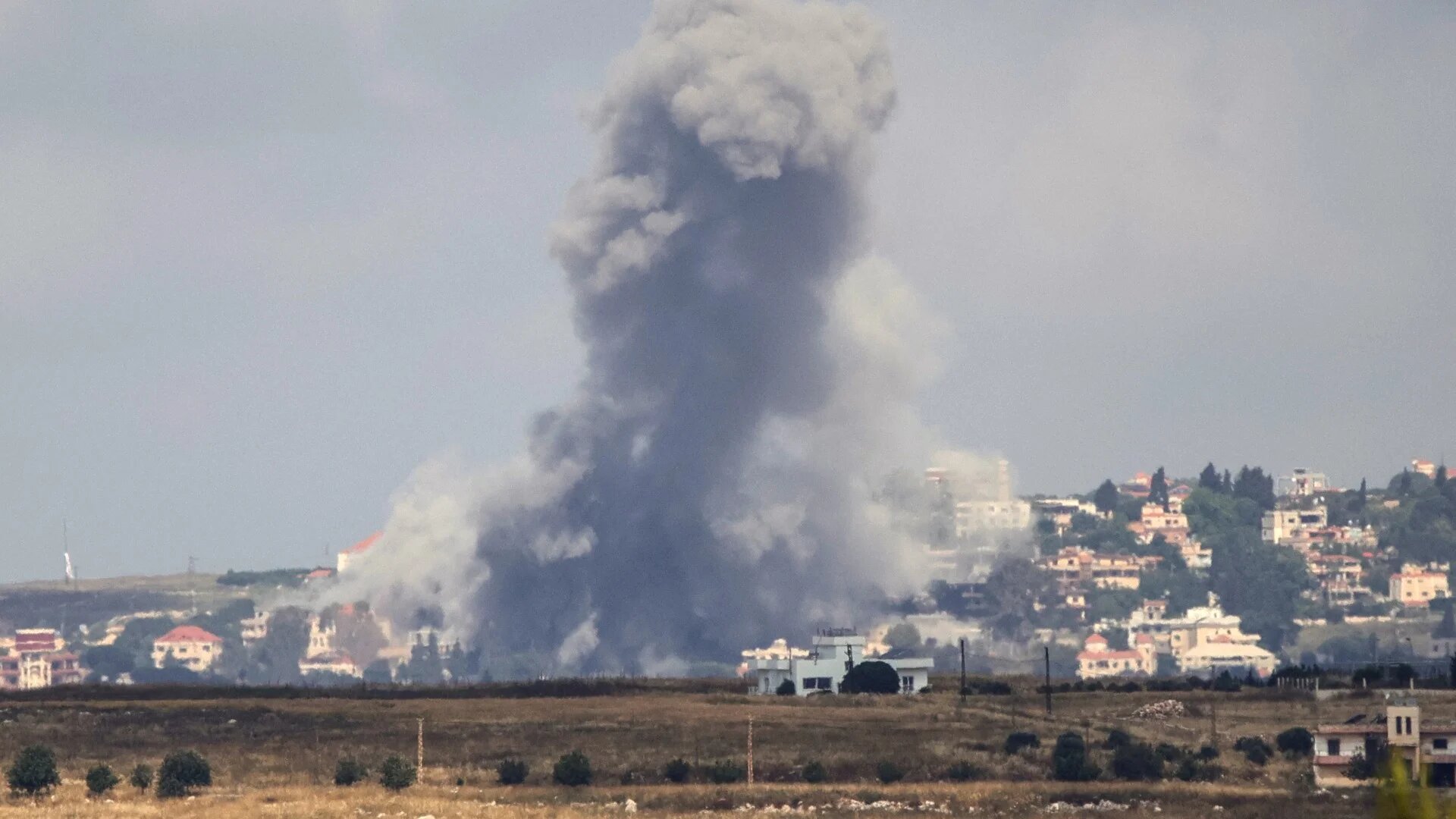
The situation along the Lebanese-Israeli border has seen a marked increase in hostilities. Israeli strikes intensified recently, leading to fresh evacuation orders that forced more civilians from their homes in southern Lebanon. These intensified military actions have significantly impacted civilian life and prompted widespread displacement. The recent escalation saw two Lebanese soldiers seriously wounded in an Israeli drone strike near Nabatieh, according to reports from the area. This incident further showed the dangers faced by military personnel and civilians alike in the border region.
Concurrently with the Israeli operations, Hezbollah announced it had launched attacks on Israeli targets. These retaliatory actions by Hezbollah contribute to the ongoing cycle of violence and escalation. The Israeli military, for its part, reported that more than 20 rockets and drones were launched from Lebanon on Saturday, indicating a significant escalation in cross-border hostilities. This barrage of projectiles from Lebanon illustrates the intensity and frequency of the exchanges, noting the volatile nature of the current security environment. The increasing number of launches and counter-strikes points to a deeply worrying trend of escalating conflict.
Prime Minister's Accusations
Lebanese Prime Minister Nawaf Salam stated unequivocally that Israel is carrying out "collective punishment" in southern Lebanon. He alleged that Israel's military actions are "destroying towns and villages, and forcing their inhabitants into exile," painting a grim picture of the situation on the ground. Salam's remarks came as part of broader accusations that Israel is implementing a "scorched-earth policy" in the region, a strategy he condemned for its devastating consequences. He contended that such a policy, aimed at widespread destruction, would not lead to "security nor stability" for any party involved, including Israel.
The Prime Minister's comments show the Lebanese government's perspective on the ongoing military operations, emphasizing their perceived disproportionate nature and impact on civilian infrastructure and populations. His statements highlight profound concerns about the humanitarian impact on local populations, many of whom have been displaced multiple times, and the long-term prospects for peace in the area. Prime Minister Salam's public address on Wednesday served as a strong condemnation of the Israeli actions, articulating the distress and opposition felt within Lebanon regarding the escalating conflict. He stressed that the current trajectory of violence is counterproductive to any aspirations for lasting peace or security in the volatile border region.
Consequences for Security
Lebanese Prime Minister Nawaf Salam explicitly warned that Israel's actions in southern Lebanon would bring "neither security nor stability" to Israel, directly challenging the efficacy of the ongoing military campaign. He characterized the intensified strikes as a "scorched-earth policy" and "collective punishment," asserting that these military operations involve "destroying towns and villages, and forcing their inhabitants into exile." Salam's declaration noted Beirut's concern that the ongoing hostilities and the severe impact on civilian populations would undermine any prospects for regional peace, creating a cycle of resentment and instability rather than achieving security objectives.
The Prime Minister's remarks conveyed a direct message regarding the perceived futility of such aggressive tactics in achieving long-term security objectives for any party involved in the conflict. He emphasized that the widespread destruction and forced displacement of civilians would only exacerbate tensions and deepen the humanitarian crisis, making a peaceful resolution more distant. This stern warning from the Lebanese leader reflects a deep apprehension within Lebanon that the current escalation is unsustainable and ultimately detrimental to the security interests of all parties in the Middle East. The Lebanese government views the Israeli actions as counterproductive to the very goals they claim to pursue.