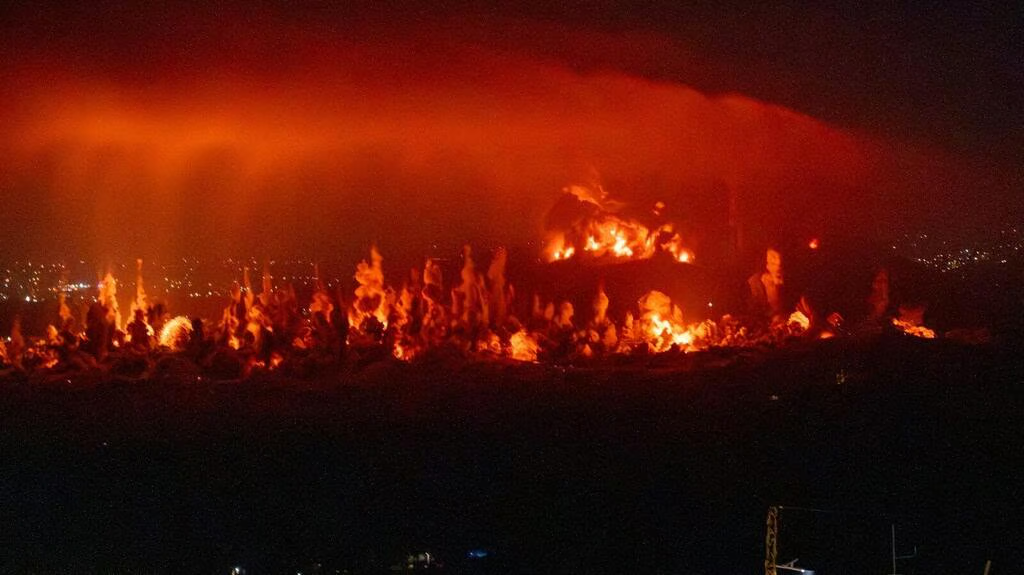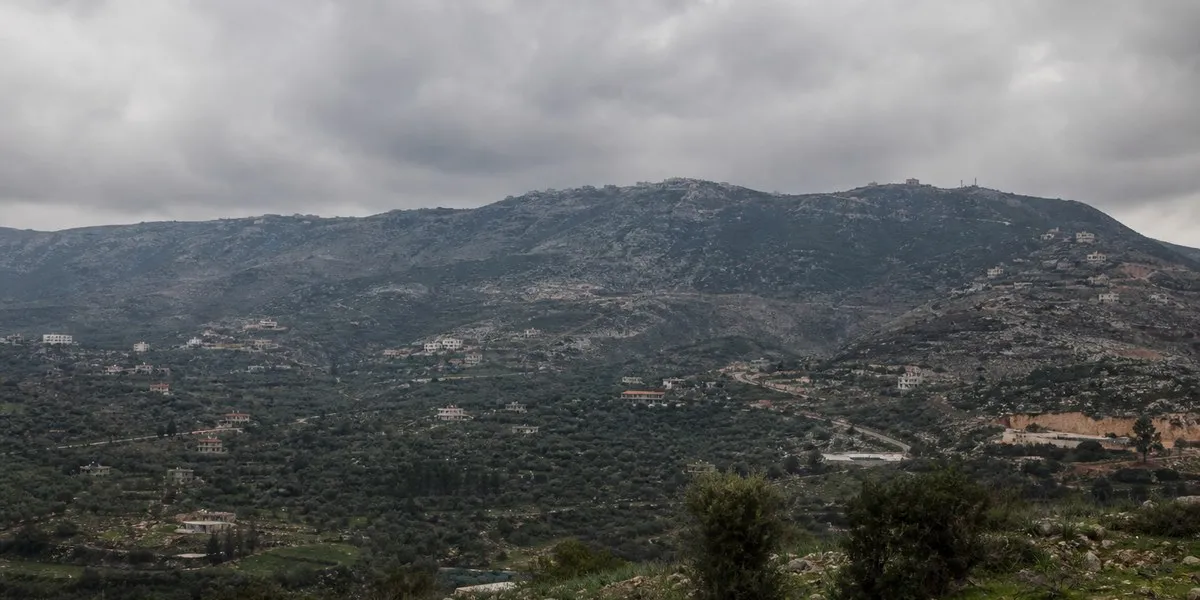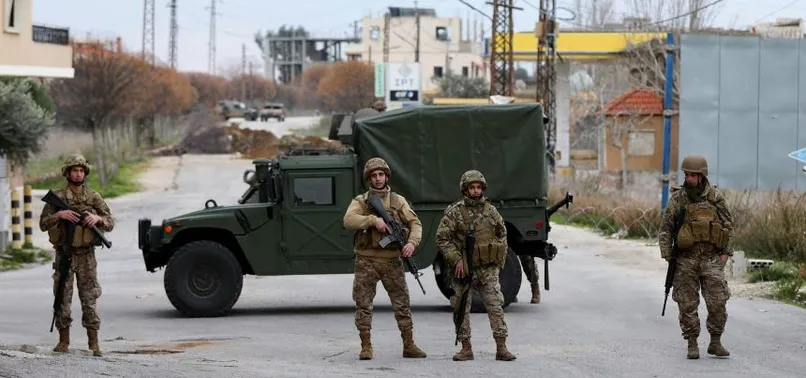
A Lebanese citizen was killed on Monday by Israeli gunfire in the southern part of the country, amid intensified cross-border attacks. The victim was shot in the town of Baraachit as Israeli forces opened fire with machine guns toward the area. This incident marked a grim escalation in the ongoing exchanges across the border. Simultaneously, Israeli attacks struck eight different locations across southern Lebanon, demonstrating a broad scope of military activity. These areas included Baraachit, Shaqra, Beit Yahoun, and Haddatha in the Bint Jbeil district, alongside Arnoun in the Nabatieh district, and Nabatieh al-Fawqa in the Marjayoun district. Wadi al-Salouqi in the Marjayoun district and an area in the Jezzine district were also targeted, noting the widespread nature of these operations. The fatality in Baraachit shows the direct human cost of the sustained cross-border hostilities.
Widespread Attacks Detailed
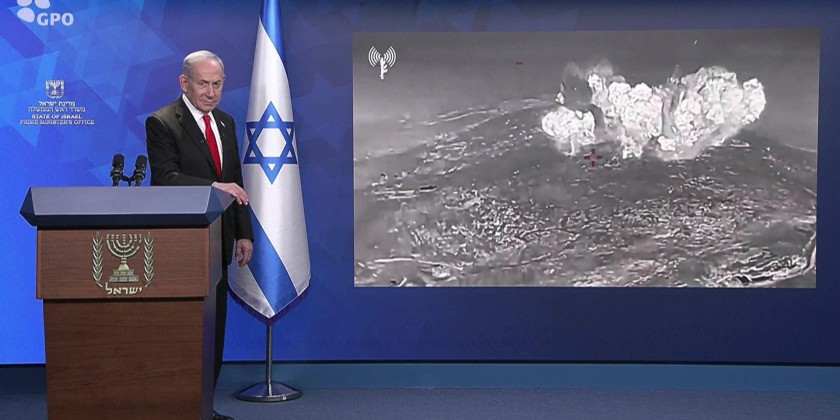
Israeli forces fired heavy machine guns toward the towns of Baraachit, Shaqra, and Beit Yahoun, all located within the Bint Jbeil district. This action follows reports of a Lebanese citizen killed earlier in Baraachit, where machine gun fire was also reported. The use of heavy machine guns in these populated areas indicates a significant level of engagement. Further military engagement involved artillery shelling, which struck multiple locations. Artillery strikes hit Haddatha, Arnoun, Nabatieh al-Fawqa, and Wadi al-Salouqi. These shelled locations are spread across the Bint Jbeil, Nabatieh, and Marjayoun districts, indicating a broad scope of operations that utilized various types of weaponry. The targeting of these distinct districts suggests a deliberate and extensive military campaign. In a separate incident, an Israeli airstrike targeted the Jarmaq road in the Jezzine district. No immediate reports of casualties were associated with the airstrike on Jarmaq road, though such strikes often cause significant damage and disruption. The widespread attacks encompassed various types of ordnance and targeted multiple districts in southern Lebanon, contributing to the persistent instability in the region. The precision and breadth of these attacks raise concerns about civilian safety and infrastructure.
Escalating Conflict Statistics
Israeli attacks in Lebanon have resulted in a significant number of casualties, according to Lebanese figures. Since March 2, these operations have killed nearly 4,400 people, painting a stark picture of the conflict's intensity. The same figures indicate that 12,500 individuals have been injured during the period of these attacks, noting the extensive human toll. These casualty figures are a direct consequence of the continuous military actions and exchanges of fire across the border. The cumulative impact of these attacks since March 2 reflects a severe and ongoing humanitarian crisis in southern Lebanon. The casualty count shows the intensity of the ongoing cross-border conflict impacting southern Lebanon, affecting both combatants and civilians alike. These statistics reflect the cumulative impact of various Israeli military actions within Lebanese territory, providing a quantitative measure of the conflict's devastating effects. The high number of fatalities and injuries points to a deeply entrenched and violent situation.
Background and Diplomatic Context
A US-mediated "framework formula" was signed by Lebanon and Israel on June 26, marking a significant diplomatic development amidst ongoing cross-border tensions. The agreement aimed to establish a basis for future discussions or de-escalation efforts between the two countries, in an attempt to address the persistent violence. This diplomatic initiative comes as southern Lebanon continues to experience sustained military activity and casualties, demonstrating the urgent need for a resolution. The signing of the framework formula shows international efforts to address the persistent conflict along the border, which has seen repeated exchanges of fire and a rising death toll. While the details of the "framework formula" were not immediately released, the agreement represents a formal step taken by both nations, facilitated by the United States, to engage in a structured dialogue process. The signing occurred against a backdrop of escalating incidents that have impacted civilian lives and infrastructure in the region, making diplomatic engagement all the more critical. This diplomatic effort seeks to provide a pathway toward reducing the violence that has plagued the border area for an extended period.