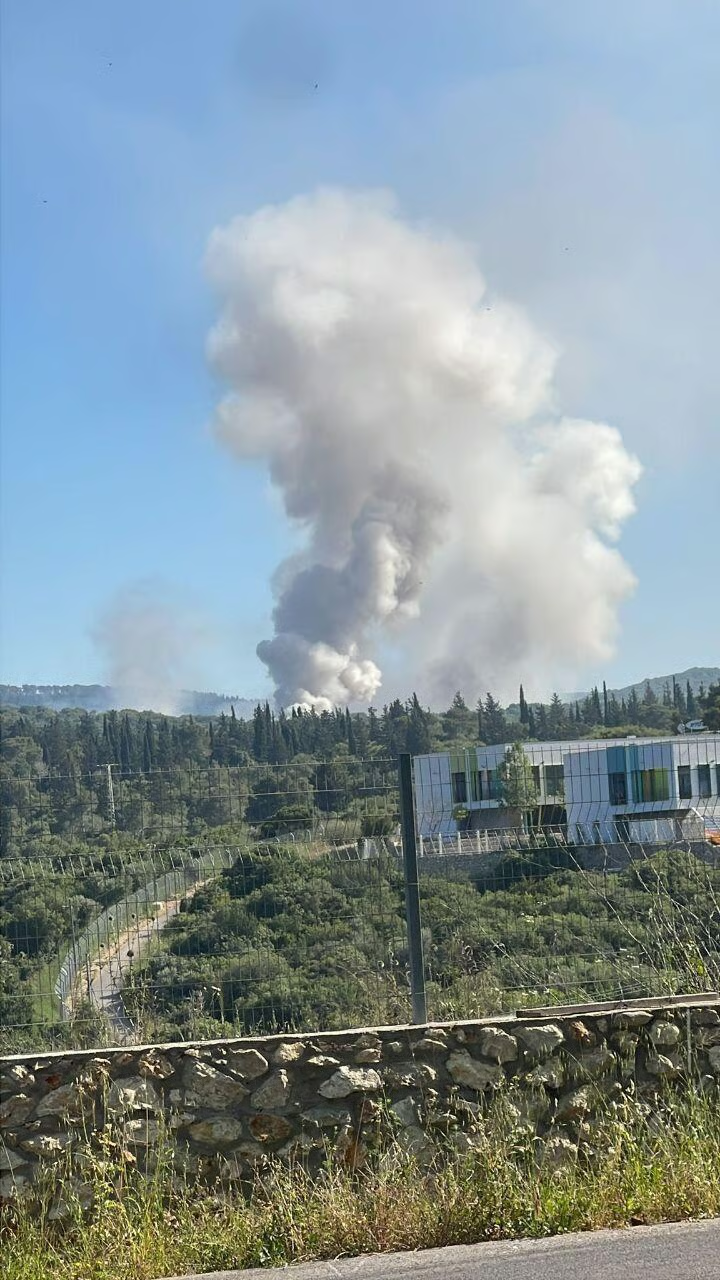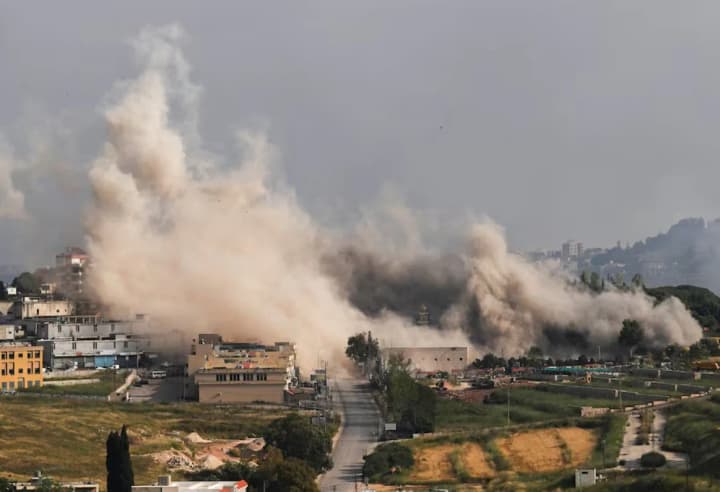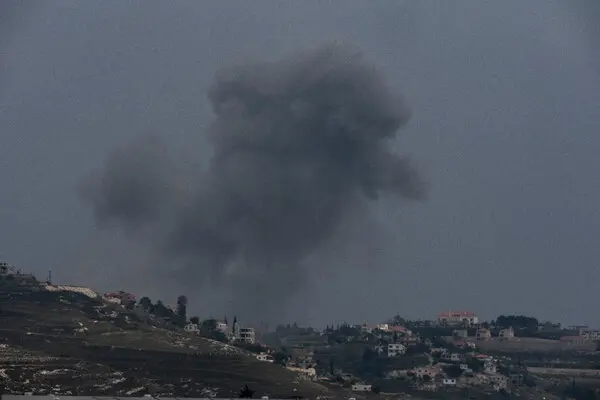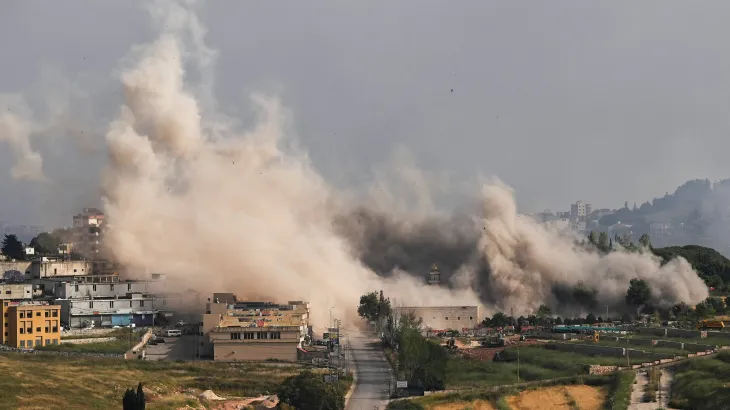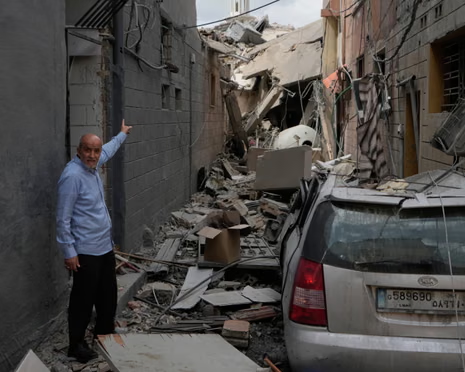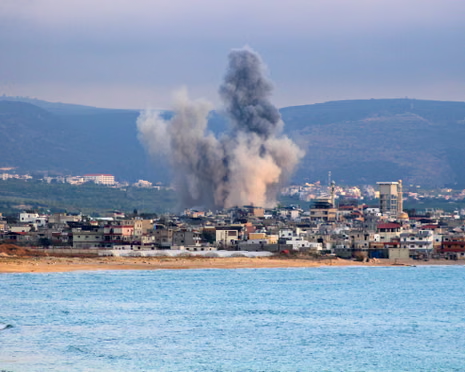
Israeli strikes killed 31 people on Tuesday alone, amidst an ongoing conflict that has claimed thousands of civilian lives, including children. The sheer scale of the devastation, particularly the loss of innocent lives, paints a grim picture of the escalating hostilities. Despite the significant human cost, the international community's attention to the conflict remains notably limited, a fact that has drawn criticism from humanitarian organizations and observers alike. Civilians, including children, are among the thousands who have tragically died in this war, yet the world is paying remarkably little attention to their plight and suffering. The rising death toll shows the persistent and deepening humanitarian crisis unfolding in the region, demanding a more strong and urgent global response.
US-Iran Peace Talks Context
The US has suggested that a deal regarding Iran is within reach, a diplomatic overture that introduces a complex layer to the regional dynamics. In a related development, Iran’s Revolutionary Guards stated on Wednesday that a return to war was unlikely, despite profound differences remaining evident between the parties involved in the negotiations. This cautious optimism from Iran’s military elite contrasts sharply with the ongoing hostilities elsewhere. Tehran, the capital of Iran, has maintained that Lebanon must be an integral part of any agreement reached in these discussions, signaling the interconnectedness of regional security concerns. The ongoing diplomatic efforts concerning Iran, therefore, occur amidst the escalating conflict in Lebanon, noting the intricate web of political and military engagements across the Middle East. The potential for a broader regional conflagration remains a significant concern, making these talks all the more critical.
Intensified Israeli Offensive
Israel is intensifying its offensive, with Prime Minister Benjamin Netanyahu having unequivocally vowed to “crush” Hezbollah. This declaration signals a determined and aggressive military posture aimed at dismantling the Lebanese militant group. The Israeli military further showed this escalation by ordering the evacuation of the entire city of Tyre on Wednesday, a directive that signals a significant expansion of operations beyond the immediate border areas. This move affects a substantial population center, with residents now facing the daunting prospect of displacement. Israel’s troops have pushed out of the buffer zone that it established in the south, indicating a deeper advance into Lebanese territory than previously observed. This progression reflects the stated intent to escalate military pressure against Hezbollah targets within Lebanon, moving beyond defensive measures to more offensive maneuvers. The ordered evacuation of Tyre follows earlier directives for residents to leave areas near the border, indicating a systematic expansion of the operational zone and a heightened risk to civilian populations. The military actions are a clear manifestation of Netanyahu’s stated objective to neutralize Hezbollah’s capabilities.
Humanitarian Crisis and Global Neglect
The ongoing conflict has resulted in thousands of fatalities, with Israel responsible for the deaths of civilians and numerous medics, who are often caught in the crossfire while attempting to provide aid. The impact extends beyond human lives, as strikes have also targeted critical infrastructure, including essential bridges, vital water facilities, and countless residential homes, crippling basic services and exacerbating living conditions. This widespread destruction has profound long-term consequences for the affected communities. The extensive damage and widespread danger have prompted a large-scale displacement of the population, with an estimated 1.2 million people having fled their homes, seeking safety and shelter away from the conflict zones. This massive exodus represents a dire humanitarian emergency, creating immense pressure on aid organizations and neighboring areas. These widespread impacts underline the severe humanitarian crisis unfolding in the region, a crisis that continues to largely go unaddressed by the international community. The destruction of civilian infrastructure, combined with the high number of casualties, paints a grim picture of the conflict's toll on everyday life.
Broader Implications and Warnings
The scale of destruction is particularly evident along the border regions, where at least 46 of the 54 villages within the Israeli “yellow line” have been either completely demolished or heavily damaged. These tactics reportedly bear a striking resemblance to those observed in Gaza, raising concerns about the potential for similar levels of devastation and civilian suffering. This broader context includes the devastating Beirut port explosion, which occurred in 2020, an event that left a lasting scar on the Lebanese capital and noted the fragility of the nation's infrastructure and governance. The current intensification of the conflict threatens to further destabilize a country already grappling with deep-seated economic and political crises. The international community's continued lack of attention to this escalating conflict in Lebanon risks allowing a full-blown regional catastrophe to unfold, with broad consequences for stability and human lives across the Middle East. The echoes of past tragedies, such as the Beirut port explosion, serve as a stark reminder of Lebanon's vulnerability to major disruptive events.