Israeli troops have withdrawn from parts of southern Lebanon following a U.S.-mediated ceasefire agreement, a significant development in the ongoing regional tensions. The withdrawal comes as Lebanese President Joseph Aoun visited Washington for a meeting with U.S. President Donald Trump on Tuesday, marking a key moment in diplomatic efforts. The United States also announced the activation of pilot zones in southern Lebanon on Monday as part of the ongoing diplomatic efforts to stabilize the volatile border region.
The agreement, brokered by the United States, is specifically designed to achieve two primary objectives: to keep the Iran-backed Hezbollah group away from the Israeli border and to conclude nearly five months of intense conflict that has plagued the region. This diplomatic breakthrough follows a period of heightened hostilities and intricate negotiations.
Pilot Zones and Initial Movements
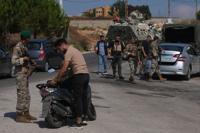
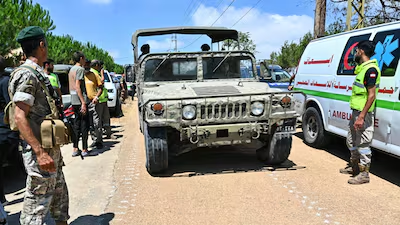
In a tangible sign of the ceasefire's implementation, the Lebanese Armed Forces entered Zawtar Al Gharbeye, one of the three initial pilot zones, following Israel's withdrawal from the area. This movement was a direct result of the ceasefire terms, allowing Lebanese forces to establish their presence in territories previously occupied by Israeli troops. However, the situation remained tense. Hours after this entry, the Lebanese army reported that Israeli troops opened fire in Zawtar Al Gharbeye, noting the fragility of the ceasefire and the deep-seated mistrust between the parties.
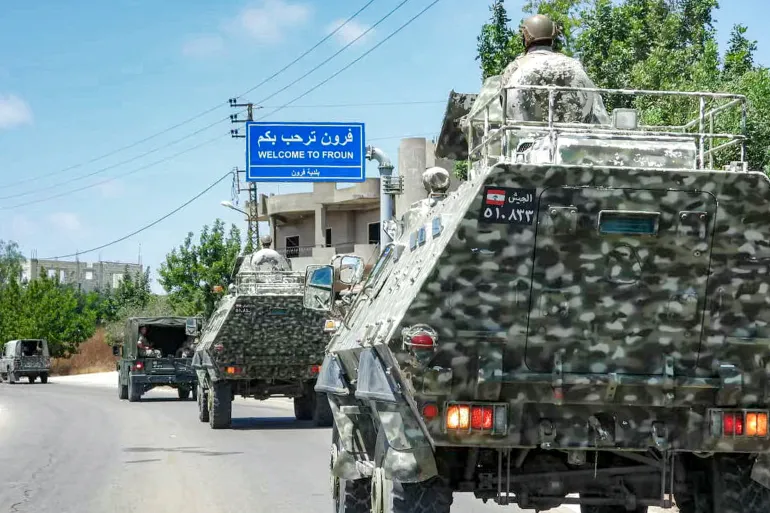
The Lebanese army also moved into Froun and Srifa, two other strategically important locations situated beyond its designated boundary. These movements were undertaken in close coordination with the Military Coordination Group for Lebanon, an entity established to facilitate communication and de-escalation between the involved forces. This coordinated approach shows the complex layers of oversight and agreement required for troop movements in the disputed territories.
Zawtar Al Gharbeye, Froun, and Srifa are among more than 150 municipalities situated south of the Litani River, a region that has historically been a flashpoint for conflict. These pilot zones are not merely geographical markers; they are intended as a practical test of Lebanon's capacity to prevent Hezbollah's presence and dismantle non-state armed groups within the region. The success or failure of these pilot zones will be a critical indicator of the long-term viability of the ceasefire agreement. Israeli Prime Minister Benjamin Netanyahu characterized the troop movements as redeployments rather than withdrawals, indicating a strategic repositioning of forces aimed at optimizing Israel's security posture rather than a complete disengagement from the area. This distinction in terminology reflects the differing perspectives and underlying objectives of the two nations.
Background to the Conflict
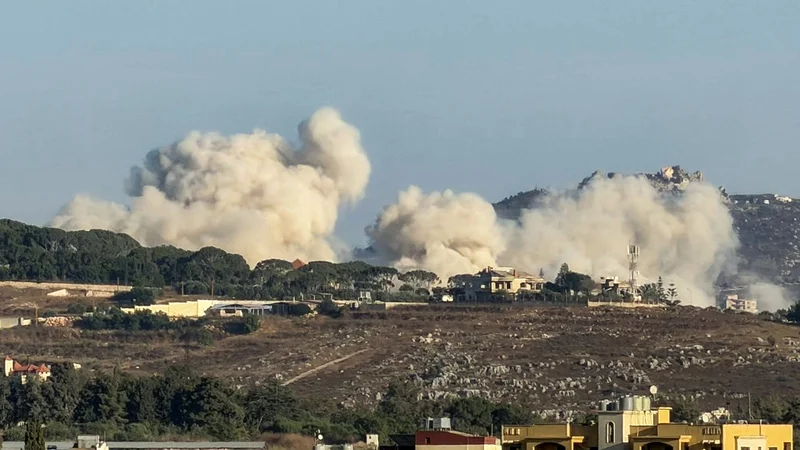
The latest round of fighting between Israel and Hezbollah began after the United States and Israel engaged in a conflict against Iran at the end of February. This broader regional confrontation quickly spilled over into the Israeli-Lebanese border. Hezbollah initiated attacks against Israel in solidarity with Iran, its key regional ally, prompting a strong response from Israel. In retaliation for Hezbollah's actions, Israel responded by deploying tens of thousands of troops across the border into Lebanon, escalating the conflict significantly.
The human cost of this conflict has been substantial. The Lebanese government states that Israel's attacks have resulted in the deaths of thousands of people and the displacement of more than one million individuals from their homes and communities. These figures show the severe humanitarian impact of the hostilities and the urgent need for a lasting peace. Lebanon and Israel have been in a technical state of war for decades, a status that has fueled intermittent conflicts and maintained a constant state of tension along their shared border. This historical context provides key insight into the deep-rooted animosity and complex security concerns that define their relationship. The ongoing conflict has repeatedly demonstrated the devastating consequences of this unresolved state of war for both nations and their populations.
Diplomatic Overtures and Sticking Points
The U.S.-mediated agreement aims to keep the Iran-backed Hezbollah group away from the Israeli border and conclude nearly five months of intense conflict that has ravaged the region. This diplomatic initiative represents a concerted effort to de-escalate tensions and establish a more stable security environment. Despite the ceasefire, incidents of friction continue to occur. Israeli soldiers fired warning shots into the air after Lebanese army personnel breached barriers in Zawtar Al Sharqiyah, another area within the pilot zone framework. This incident notes the delicate nature of the ceasefire and the potential for misunderstandings or miscalculations to quickly escalate.
The Israel Defense Forces (IDF) stated it would "adjust its force posture" in one of the zones, adding that troops remained prepared to respond to any threats. This declaration signals Israel's continued vigilance and its commitment to maintaining its security interests, even as it participates in the withdrawal process. The IDF's stance shows the conditional nature of their disengagement, emphasizing that their actions are subject to the evolving security landscape.
A deal was signed last month between Lebanon and Israel in Washington, intended to end the conflict and achieve a peace settlement. This landmark agreement was a culmination of intense diplomatic efforts and a shared desire, at least on the surface, to move beyond the cycle of violence. The meeting between Lebanese President Joseph Aoun and U.S. President Donald Trump was particularly noteworthy, as it marked the first meeting between leaders of Lebanon and the United States in almost 20 years. This high-level engagement signifies the importance the U.S. Places on resolving the conflict and its role as a key mediator.
Despite the signing of the deal, significant disagreements persist. Israel stated it needs to maintain control over the buffer zone as long as Hezbollah poses a threat. This position reflects Israel's deep-seated security concerns regarding the Iran-backed group, which it views as a direct and existential danger to its northern border. The demand for a buffer zone is a direct response to Hezbollah's perceived military capabilities and its stated objectives.
Hezbollah, for its part, has vehemently decried the U.S.-backed plan, characterizing it as a national betrayal. This strong rejection from Hezbollah notes the internal divisions within Lebanon regarding the agreement and the challenges to its full implementation. Hezbollah's opposition stems from its ideological stance and its perception of the agreement as undermining Lebanese sovereignty and its own role as a resistance movement.
Lebanese President Joseph Aoun has insisted that Israel must fully withdraw from Lebanese territory, a position that aligns with Lebanon's long-standing demand for complete sovereignty over its internationally recognized borders. President Aoun also requested financial aid for the Lebanese army during his visit to Washington. This request shows the Lebanese government's need for resources to strengthen its national military, enabling it to effectively assert control over its territory and prevent the proliferation of non-state armed groups, thereby fulfilling its commitments under the ceasefire agreement. The financial assistance would be key for the Lebanese army to enhance its capabilities and assume its responsibilities in the newly designated pilot zones and beyond.