The Israeli air force and artillery have struck areas near a strategic mountain in southern Lebanon, with Lebanon’s state-run National News Agency reporting airstrikes and artillery shelling near the Crusader-built Beaufort castle. These military actions occurred as Israeli troops advanced for days in villages close to Beaufort castle, including Yohmor and Zawtar al-Sharqieh, near the city of Nabatiyeh. The National News Agency specifically detailed these reports of airstrikes and artillery shelling near the Crusader-built Beaufort castle, emphasizing the intensity of the military operations in the vicinity of the historic landmark. Concurrently, Israel’s military issued evacuation warnings for more than a dozen villages situated in southern Lebanon, further noting the escalating situation. These developments underline heightened military activity in the region surrounding the historic castle, drawing significant international attention to the unfolding events.
Deepening Incursion and Civilian Impact
Beaufort castle, a strategically important location, is situated approximately 15 kilometers (9 miles) from the Israeli border, making it a critical point in the ongoing conflict. Israeli troops previously occupied the castle for 18 years, maintaining control over the site before their withdrawal from Lebanon in May 2000. The current military actions represent the deepest incursion by Israeli troops into Lebanon since that 2000 withdrawal, marking a significant escalation in the conflict. Large areas to the south of the country are presently under Israeli military control, despite a U.S.-brokered ceasefire agreement that took effect on April 17. This control extends over considerable territory, impacting numerous communities and daily life for residents, and shows the persistent challenges to stability in the region even after diplomatic interventions.
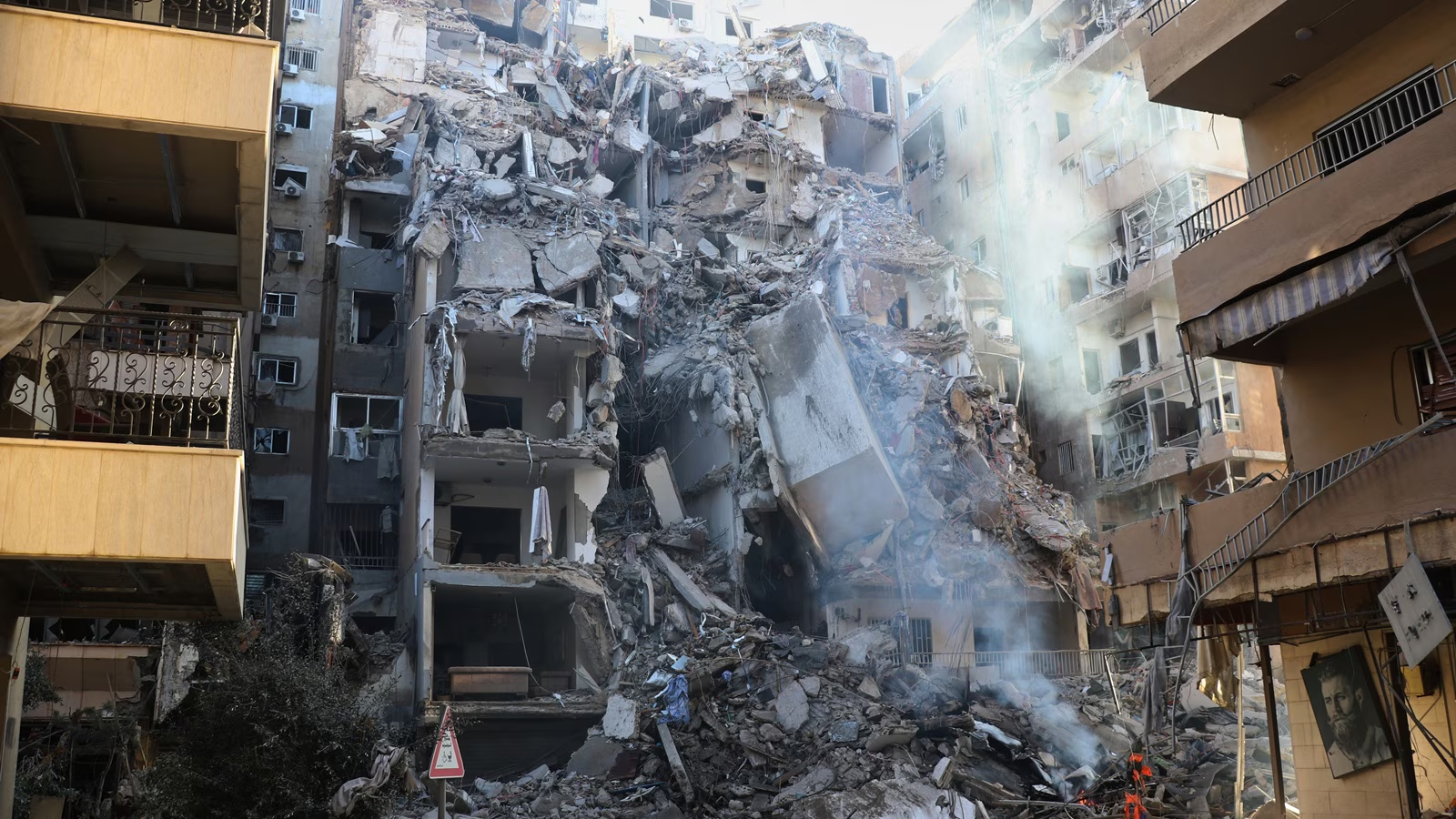
The National News Agency reported multiple airstrikes across different parts of southern Lebanon, detailing the widespread nature of the Israeli military operations. One such strike specifically targeted the village of Ansar, resulting in the deaths of three people, adding to the growing civilian casualty count. Another incident involved a drone strike on a road connecting the village of Ebba with Nabatiyeh, which wounded two Lebanese soldiers, showing the direct impact on military personnel as well. These incidents illustrate the broad scope of the strikes, affecting both civilian populations and military targets across the southern Lebanese landscape, and contributing to the deepening humanitarian concerns.
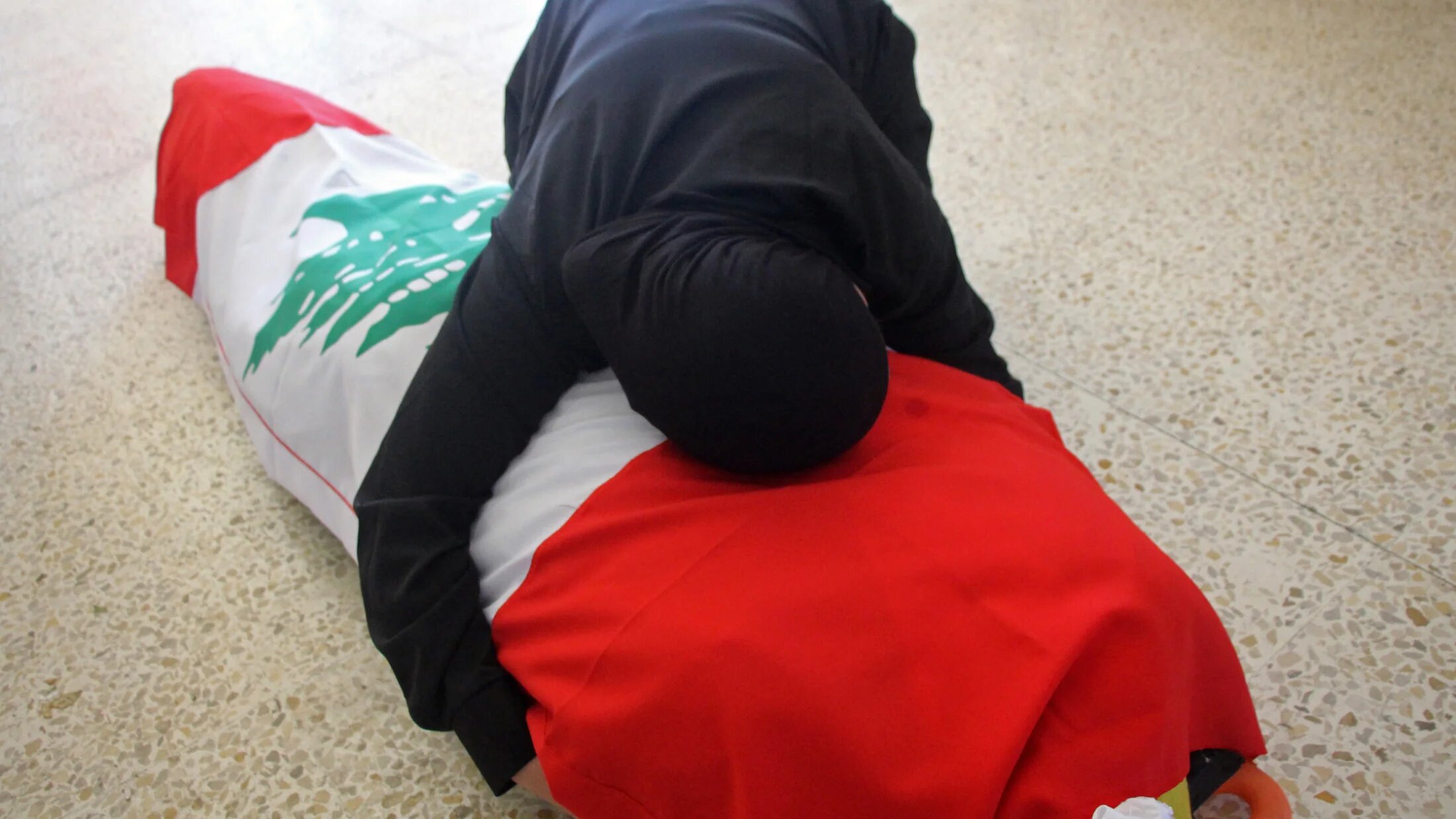
Among the casualties reported in southern Lebanon on Friday was Qais al-Bakir, his pregnant wife, and their six children. The Syrian family tragically perished in an Israeli airstrike that struck the coastal village of Adloun, located north of the city of Tyre. This devastating incident brought the human cost of the conflict into sharp focus, noting the vulnerability of families caught in the crossfire. The ongoing conflict has resulted in a staggering 3,350 deaths across Lebanon and has displaced over 1 million people within the country, creating a severe humanitarian crisis. The displacement figures indicate a massive internal migration as residents flee the violence, seeking safety elsewhere, further straining resources and aid efforts.
Hezbollah Response and Broader Conflict
Hezbollah stated its fighters launched rockets toward Kiryat Shmona, northern Israel’s largest city, in response to the Israeli actions. The group later confirmed it also fired rockets at the northern city of Safed, demonstrating a retaliatory posture. These actions by Hezbollah follow ongoing military engagements in the region, contributing to a cycle of violence and counter-violence. The targeting of Israeli cities by Hezbollah shows the cross-border nature of the conflict and its potential to escalate further, posing significant security challenges for both sides.
Israeli forces have conducted a series of airstrikes and frequently opened fire on Palestinians located near military-held zones. According to Gaza’s health ministry, these operations have resulted in the deaths of at least 929 Palestinians, indicating a significant toll on the Palestinian population. The strikes and firing incidents are part of continued military activity in the area, contributing to the overall instability and humanitarian concerns. The repeated nature of these military actions suggests a sustained campaign by Israeli forces in these zones, further exacerbating the already dire situation for residents.
The broader context of hostilities includes the latest Israel-Hezbollah war, which began on March 2. This conflict ignited when Hezbollah fired rockets into northern Israel two days after Israel and the U.S. Conducted attacks on Iran, marking a significant escalation in regional tensions. Since a recent ceasefire agreement, four Israeli soldiers have been killed, indicating that despite diplomatic efforts, hostilities persist and continue to claim lives. Separately, an Israeli airstrike hit a Hamas-manned police point in the central Gaza city of Deir al-Balah, illustrating the diverse targets of Israeli military operations. Additionally, an Israeli airstrike on the Gaza Strip resulted in the death of a nurse, further contributing to the casualties in the ongoing conflict and noting the impact on healthcare workers. The persistent violence, even after ceasefire attempts, shows the deep-seated nature of the animosities and the significant challenges to achieving lasting peace.
Lebanese Government Reaction
Lebanon's president and prime minister met on Saturday to discuss the situation in southern Lebanon, showing the gravity of the crisis. Following their meeting, the two leaders stated their intention to intensify diplomatic contacts aimed at making Israel cease the demolition and bulldozing of homes and historical sites in the region. Their commitment reflects a deep concern for the cultural heritage and civilian infrastructure being affected by the conflict, and they pledged to pursue all available diplomatic avenues. They also committed to increasing their efforts to halt Israel's ongoing evacuation warnings directed at residents in southern Lebanon, recognizing the significant displacement and hardship these warnings cause. The Lebanese government's stated aim is to address the impact of military activities on civilian infrastructure and the displacement of populations, seeking to protect its citizens and heritage in the face of escalating military operations.
In a separate development in the Gaza Strip, an Israeli strike on Saturday resulted in the death of a Palestinian nurse. This incident also left at least three other people wounded, adding to the growing list of casualties. The strike hit a Hamas-manned police point in the central city of Deir al-Balah, detailing the specific location and nature of the target. This strike adds to the casualties reported amidst ongoing military operations in the region, further exacerbating the humanitarian situation and drawing international condemnation for the impact on non-combatants and essential workers.
Diplomatic Efforts and Historical Context
In a rare diplomatic engagement, Lebanese and Israeli military officials have held their first direct talks in decades at the Pentagon, signaling a potential, albeit fragile, pathway for de-escalation between the historically adversarial nations. These discussions occur amidst heightened regional tensions, making any form of direct communication particularly significant, as both sides seek to navigate the complex security landscape. The fact that these talks took place at the Pentagon, a neutral venue, emphasizes the international involvement in attempting to manage the conflict and shows the global interest in preventing further escalation. The direct engagement between military officials from both sides, after such a long period of estrangement, represents a notable development in the complex geopolitical landscape of the Middle East, offering a glimmer of hope for future dialogue.
The latest Israel-Hezbollah war began on March 2, when Hezbollah launched rockets into northern Israel two days after Israel and the U.S. Conducted attacks on Iran. This sequence of events illustrates the interconnectedness of regional conflicts and the potential for rapid escalation, noting the delicate balance of power and the constant threat of wider conflagration. Since a recent ceasefire agreement, four Israeli soldiers have been killed, indicating that despite diplomatic efforts to halt hostilities, the conflict continues to claim lives and maintain a state of precarious peace. Separately, an Israeli airstrike hit a Hamas-manned police point in the central Gaza city of Deir al-Balah, demonstrating the continued targeting of various groups in the region and the persistent military operations. Additionally, an Israeli airstrike on the Gaza Strip resulted in the death of a nurse, further contributing to the casualties in the ongoing conflict and noting the severe impact on non-combatants. The persistent violence, even after ceasefire attempts, shows the deep-seated nature of the animosities and the significant challenges to achieving lasting peace in the volatile region.