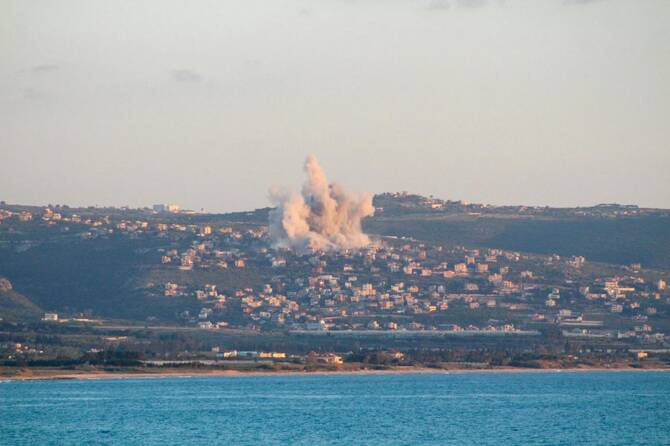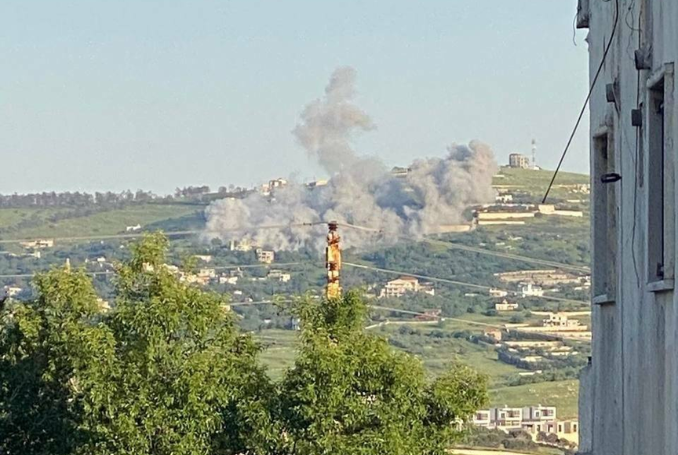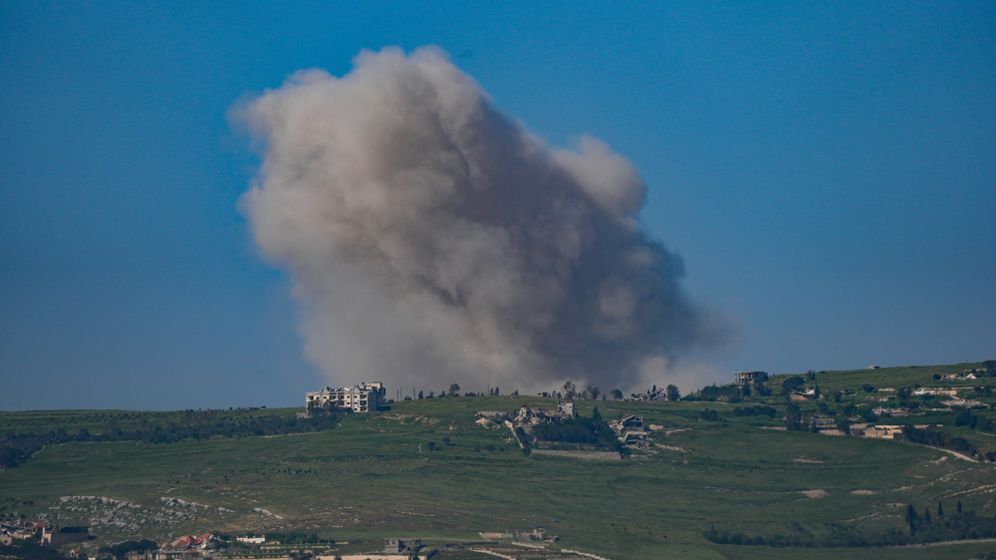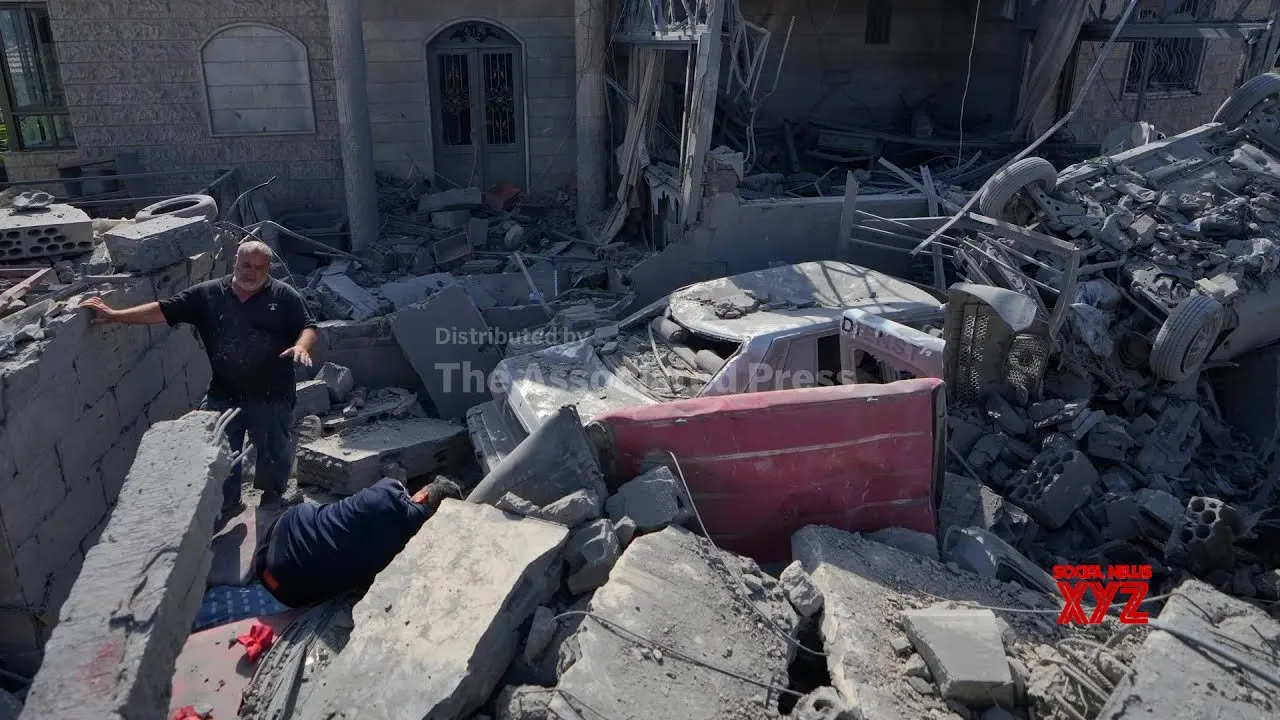
Israeli drone strikes on Saturday killed four people in Lebanon, with two incidents occurring on the highway connecting Beirut and Sidon, and a third on a road leading to the Chouf region. The attacks also left several people wounded. The drone strike on the road leading to Lebanon’s Chouf region resulted in three fatalities. Among those killed in southern Lebanon was a man and his 12-year-old daughter, according to reports. These incidents have heightened concerns about a broader escalation in the region.
Deadly Strikes South of Beirut
The information regarding the casualties in Lebanon was reported by both state media and the Health Ministry. These three drone strikes south of Beirut represented another escalation since a ceasefire between Israel and Hezbollah came into effect on April 17. The ceasefire, which had been declared in Washington, initially went into effect on April 17 for a period of 10 days and was subsequently extended by an additional three weeks. This period of relative calm was shattered by the recent wave of attacks.
On Wednesday night, Israel’s air force carried out an airstrike on a southern suburb where Israel claimed it killed a senior Hezbollah military official. This strike further intensified the already volatile situation.
Three Israeli drone strikes killed a Syrian man and his 12-year-old daughter in the city of Nabatiyeh. This tragic loss of civilian life shows the severe impact of the ongoing conflict on non-combatants. An Israeli airstrike on the southern village of Saksakiyeh killed at least seven people, including a child, and wounded 15 others. The strike in Saksakiyeh caused significant damage and casualties, drawing condemnation from local authorities and international observers. A separate strike on the village of Bourj Rahhal killed three individuals, further adding to the rising death toll in southern Lebanon. Another strike in Maifadoun killed one person, contributing to the pattern of targeted attacks across the region. These multiple incidents highlight the widespread nature of the conflict and its widespread consequences for communities in southern Lebanon.
Hezbollah Retaliation and Claims
The Israeli military reported that Hezbollah fired explosive drones into Israel near the border with Lebanon, resulting in three soldiers being wounded, one seriously. This cross-border exchange of fire demonstrates the immediate and dangerous reciprocity that characterizes the conflict. Hezbollah additionally launched drones inside Lebanon, striking an Israeli vehicle, though this incident caused no casualties, according to the Israeli military. This particular drone strike within Lebanese territory, while not resulting in injuries, signals Hezbollah's intent to respond to Israeli actions. Hezbollah claimed responsibility for several attacks within Lebanon and for firing a drone at an Israeli military post located in Misgav Am. These claims by Hezbollah are consistent with their stated policy of retaliation against Israeli military targets following strikes on Lebanese soil. The exchange of drone attacks and military operations shows the precarious security situation along the Israel-Lebanon border and the potential for rapid escalation.
Broader Conflict Context
The conflict between Israel and Hezbollah began on March 2, following what Reuters described as the United States and Israel launching a war on Iran. This broader geopolitical context provides key background for understanding the current hostilities. A 10-day ceasefire, declared in Washington, took effect on April 17, according to Reuters. That initial ceasefire was subsequently extended by an additional three weeks, offering a brief period of reduced tensions before the recent surge in violence. The resumption of significant military actions after this ceasefire period indicates the fragility of diplomatic efforts and the entrenched nature of the conflict. The involvement of the United States and Israel in a "war on Iran," as reported by Reuters, suggests a wider regional confrontation that directly impacts the dynamics between Israel and Hezbollah. This overarching conflict framework shapes the actions and reactions of all parties involved, leading to cycles of violence and retaliation.
Diplomatic Activity Amid Tensions
A series of airstrikes on southern Lebanon killed at least 13 people, according to reports, further intensifying the humanitarian crisis and regional instability. Amid escalating violence, Lebanon’s Prime Minister Nawaf Salam held talks on Saturday with Syria’s interim President Ahmad al-Sharaa in Damascus. This high-level diplomatic engagement reflects the urgent need for regional dialogue in the face of mounting casualties and escalating tensions. During their discussions, Prime Minister Salam stated, "Lebanon will not be used again to harm 'our Arab brothers, on top of them Syria.'" This statement from Prime Minister Salam emphasizes Lebanon's commitment to regional stability and its desire to avoid becoming a battleground for proxy conflicts. The meeting addressed regional concerns following the recent deadly strikes, with both leaders reportedly discussing strategies to de-escalate the situation and protect their respective nations from the spillover effects of the broader conflict. The diplomatic efforts, while key, face significant challenges given the deep-seated nature of the hostilities and the involvement of multiple regional and international actors. The ongoing violence continues to pose a severe threat to the lives of civilians and the stability of the entire Middle East.