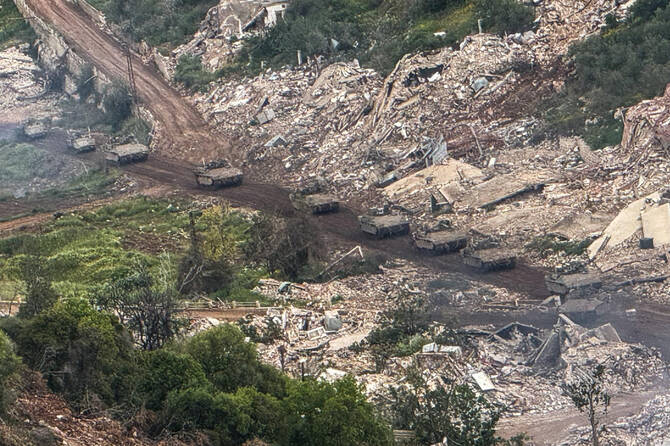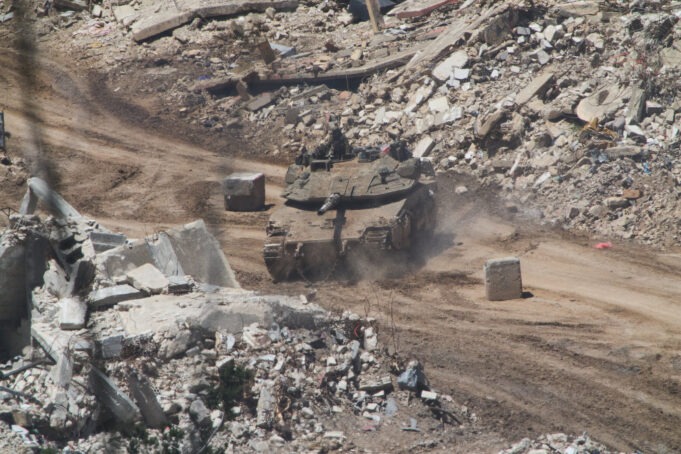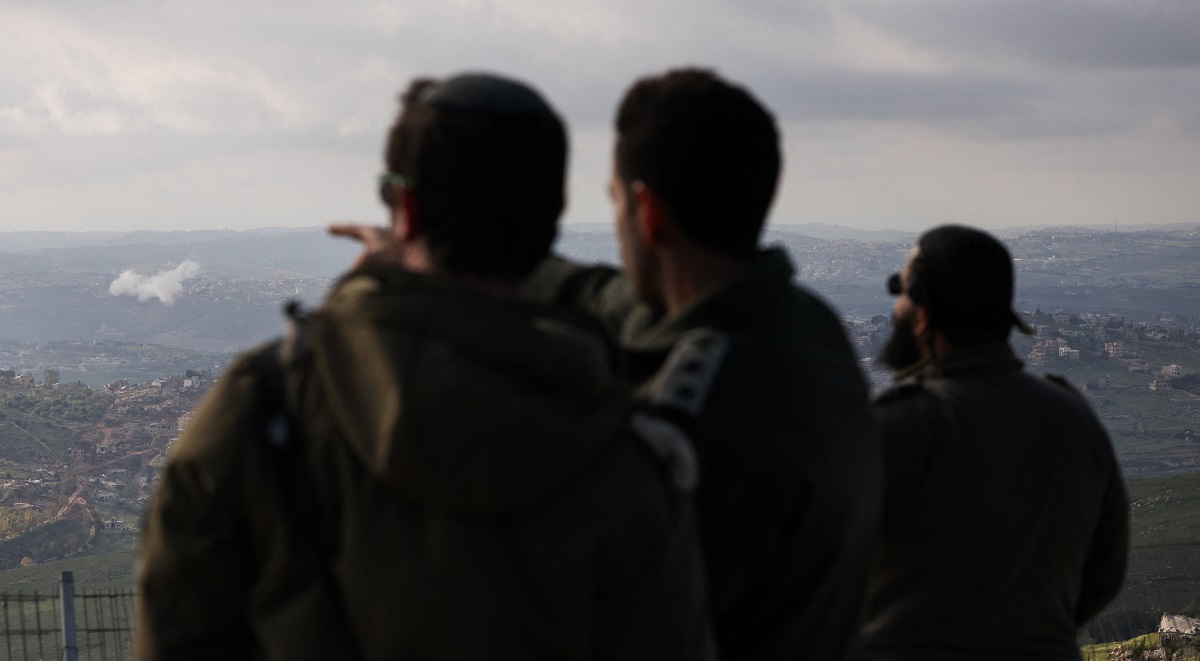
Israeli soldiers face accusations of systematically looting civilian property across southern Lebanon and the Gaza Strip, allegedly taking items such as televisions, motorcycles, furniture, jewelry, carpets, kitchen appliances, and even personal photographs. The Israeli military has launched an investigation into these reported incidents, with Israeli Chief of Staff Eyal Zamir reportedly ordering a Military Police investigation specifically into alleged looting by soldiers in Lebanon. The military views any harm to civilian property and acts of looting with utmost severity and unequivocally prohibits them.
Widespread Plunder Reported
Checkpoints at the Lebanese border, previously established to prevent looted goods from entering Israel, have reportedly been largely dismantled or now operate as a mere formality, allowing for easier movement of potentially stolen items. Reservists, speaking anonymously, described the plundering of civilian property as both brazen and routine. One reserve soldier reportedly witnessed a colleague stealing gold bars during their service, noting the individual nature of some of these acts.
Haaretz reported that Israeli soldiers looted significant quantities of civilian belongings from houses and stores in southern Lebanon, allegedly with the knowledge of their military commanders. The accounts describe the widespread theft of items including motorcycles, televisions, paintings, sofas, and rugs, characterizing these acts as routine. The phenomenon is reportedly more prevalent among reserve soldiers, who may spend extended periods in combat zones. The scale of this looting has reportedly increased during the current offensive in southern Lebanon, which observers attribute to changes in the nature of the fighting, leading soldiers to spend extended periods in abandoned civilian areas. This prolonged presence in deserted towns and villages creates opportunities for such unauthorized activities.
Official Response and Enforcement
Senior and junior commanders on the ground are reportedly aware of the looting behavior but have not initiated disciplinary actions to curb it. This lack of intervention from senior commanders and officers has allowed the practice to continue. Reports indicated that seven months ago, every unit furnished its common rooms with equipment from Gaza, including entire living room sets, suggesting a pattern of using looted goods for military facilities. The looting is not officially sanctioned Israeli military policy but has reportedly spread due to a lack of enforcement. The government, while not openly encouraging looting, has reportedly taken no meaningful steps to stop it, contributing to the perception of impunity. Israeli Chief of Staff General Eyal Zamir publicly condemned the looting in late April, calling it a "disgrace" and a "moral stain" on the military. General Zamir stated, "We will not be an army of looters."
Despite the public condemnation, only nine looting complaints were filed in Gaza throughout 2024, resulting in just one indictment which was ultimately resolved through a plea deal. The Israeli military, however, stated that it takes disciplinary and criminal measures where necessary, and that military police conduct inspections "at the northern border crossing as forces exit combat." Following the reports, Israeli Chief of Staff Eyal Zamir instructed the reinforcement of military police forces at all entry and exit points along the border and ordered thorough inspections of every vehicle entering and leaving the combat zone, aiming to curb the flow of stolen goods.
Broader Context and History
Looting by Israeli soldiers has reportedly occurred in previous conflicts, including the wars in 1948, 1956, 1967, and during the first Lebanon war in 1982, indicating a recurring issue within the military's history. In the current conflict, Israeli forces have been accused of looting homes in southern Lebanon without intervention from senior commanders and officers. Israeli attacks have killed more than 2,475 people in Lebanon since March 2, with Lebanese authorities stating the total number of killed is over 2,400 people and around 7,700 others injured since the Iran-backed group Hezbollah drew Lebanon into the regional conflict on March 2. These attacks have also damaged or destroyed over 62,000 housing units across the country, according to data released on Wednesday by Lebanon’s National Council for Scientific Research (CNRS), exacerbating the humanitarian crisis.
Israeli forces have continued daily violations, including airstrikes and artillery shelling across southern Lebanon, contributing to the displacement of civilians and the abandonment of homes, which can create opportunities for looting. US President Donald Trump announced on Friday that Israel and Lebanon had agreed to extend their fragile ceasefire by three weeks. This three-week extension of a fragile ceasefire between Israel and Lebanon was also reported on Thursday, offering a temporary reprieve from hostilities. In Gaza, however, looting has reportedly declined, with one source telling Ynet that "there is little left to take," showing the severe devastation in the territory.