The Israeli army escalated its operations in Southern Lebanon, carrying out bombing and demolition activities in several border areas. This intensified activity marks a new and significant escalation on the ground in Lebanon. Concurrently, an Israeli reconnaissance drone was observed flying at low altitudes over Beirut, further noting the heightened military presence. The combined ground and aerial maneuvers signify a notable increase in regional tensions, drawing attention to the volatile security landscape.
Ground Operations Detailed
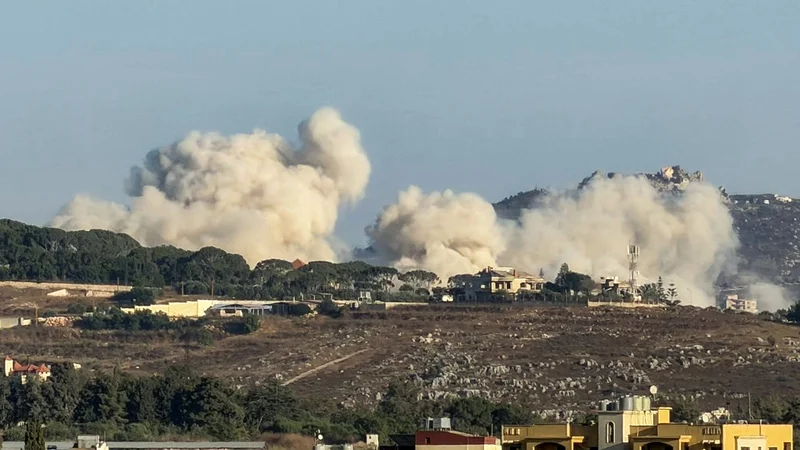
In a series of recent events, Israeli forces conducted demolition operations targeting sites in the towns of Mays al-Jabal and Kfar Tebnit. These operations occurred deep within Southern Lebanon, a region that has witnessed a new level of escalation from the Israeli army. The activities included both bombing and demolition, indicating a concerted effort to target specific locations. As the demolition work proceeded, loud explosions were heard echoing through the surrounding areas, causing concern among local residents. These events highlight a distinct increase in ground operations, following previous reports of intermittent bombing in various border regions. The nature of these operations suggests a strategic intent, though official details regarding their specific objectives remain undisclosed. The scale and intensity of these actions contribute to an already tense atmosphere along the Lebanese-Israeli frontier.
Drone Surveillance Over Capital
In parallel with the ground activities, there was intensive drone activity reported over the Lebanese capital, Beirut, and several other regions across the country. An Israeli reconnaissance drone was specifically observed flying at low altitudes over Beirut, marking a significant increase in aerial surveillance. This low-level flight path allowed for close observation of urban areas and critical infrastructure. Following its initial observation over the capital, the drone continued its flight path over multiple areas within Lebanon, extending its surveillance reach beyond Beirut. This persistent aerial presence shows an ongoing intelligence-gathering effort. The continuous flights of reconnaissance drones are a clear indicator of sustained monitoring by Israeli forces across Lebanese airspace, contributing to the perceived escalation.
Assessing Immediate Impact
To date, no official figures have been released regarding casualties or damage resulting from the recent bombings and demolition activities. The intensified operations in Southern Lebanon, including the specific demolition activities in Mays al-Jabal and Kfar Tebnit, have not yet been accompanied by public statements detailing any immediate human or structural impact. The lack of concrete information leaves the full scope of the destruction and potential injuries unknown. Similarly, the continuous low-altitude flights of an Israeli reconnaissance drone over Beirut and other Lebanese regions have not been linked to any disclosed incidents of damage or injury. Authorities have not provided updates on the consequences of these military actions, leaving the immediate impact unclear as operations continue. This absence of official reporting complicates efforts to fully understand the humanitarian and material costs of the ongoing escalation.
Broader Regional Context
The recent escalation in Southern Lebanon and the increased drone activity over Beirut reflect broader regional tensions that continue to simmer across the Middle East. Operations by the Israeli army, including the notable demolition work in Mays al-Jabal and Kfar Tebnit, contribute significantly to an already volatile security situation in the region. These actions are perceived as part of a wider pattern of military engagement that frequently impacts border communities. The persistent low-altitude flights of an Israeli reconnaissance drone over Beirut and other parts of Lebanon show the ongoing surveillance and military presence in the area, signaling a sustained interest in Lebanese territory. These actions occur within a wider context of heightened security concerns across the region, influencing regional stability and potentially leading to further confrontations. The lack of official casualty or damage reports following these incidents leaves the immediate implications for Lebanon and the broader Middle East open to interpretation, fostering uncertainty and apprehension among the populace.