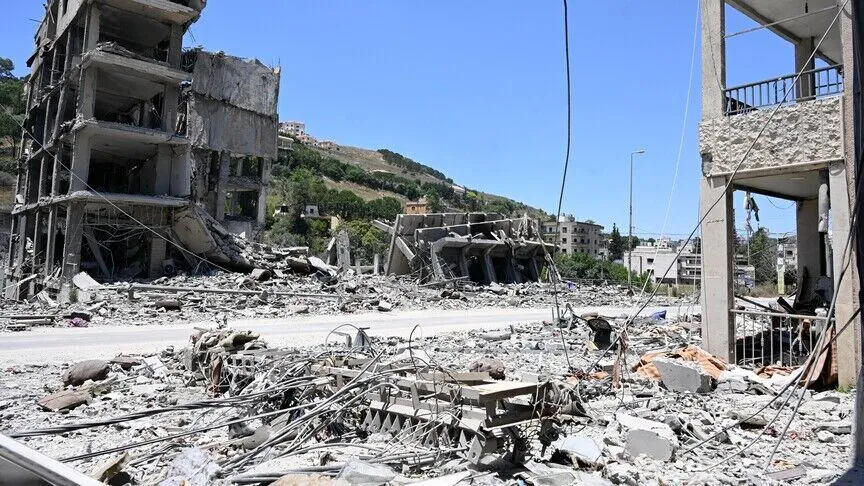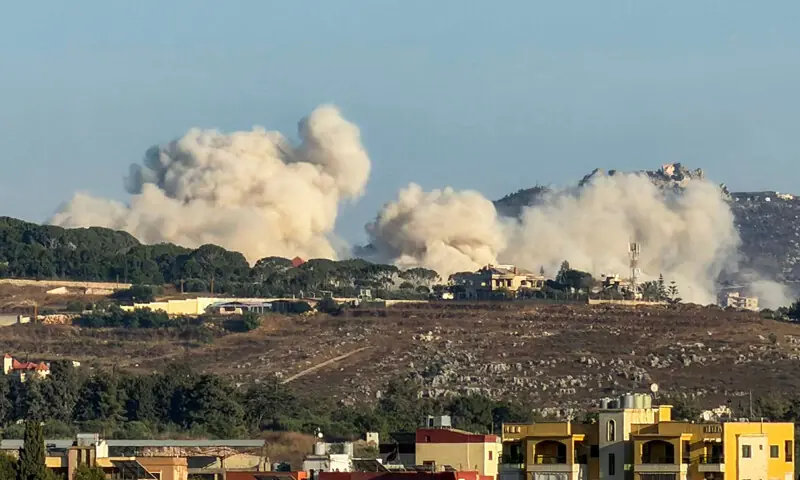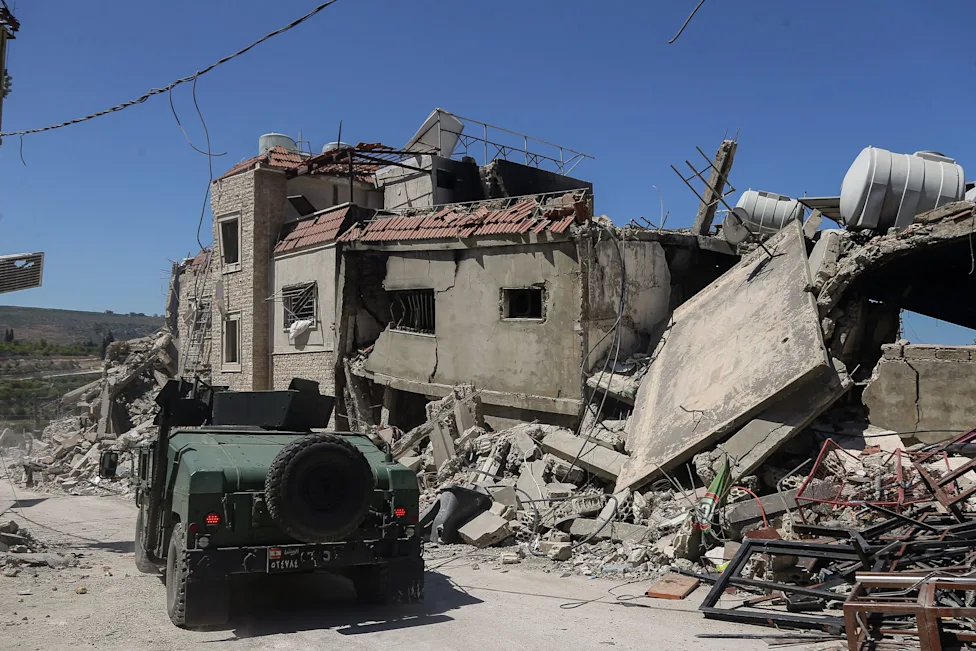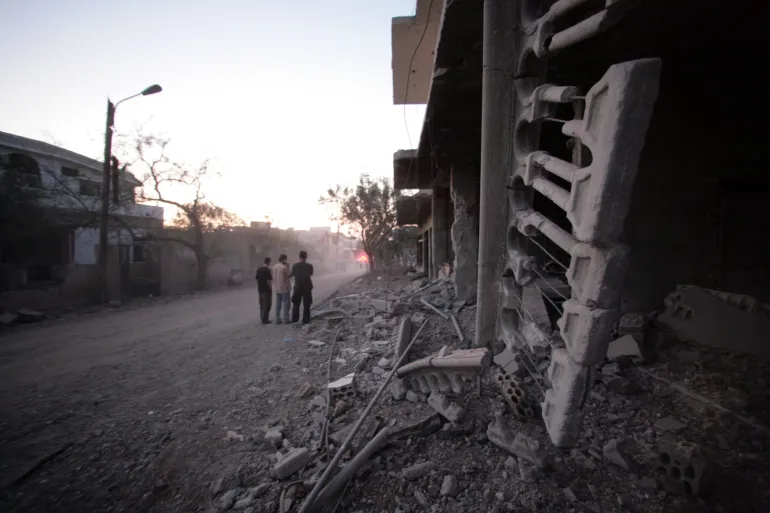
The Israeli military has been accused of looting and destroying three schools in southern Lebanon, an act that has drawn sharp condemnation from Lebanese authorities. Education and Higher Education Minister Rima Karami stated that the educational institutions were reduced to “piles of ashes” after being systematically looted by Israeli forces. These grave allegations concern the widespread and escalating damage to civilian infrastructure, particularly educational facilities, in the region. The incident shows the severe impact of ongoing hostilities on the lives and futures of children in southern Lebanon.
Escalating Destruction of Educational Facilities
The destruction of these three schools adds to an already alarming tally. At least 20 schools have now been completely destroyed in Southern Lebanon, with an additional 100 schools sustaining significant damage. The latest demolitions have tragically brought the total number of completely destroyed educational facilities to this figure, marking a critical setback for the region's educational infrastructure. The systematic nature of the destruction, including reports of looting prior to demolition, has raised serious concerns about violations of international humanitarian law.
In June, the United Nations Educational, Scientific and Cultural Organization (UNESCO) reported that 17 schools in Lebanon had been destroyed, with more than 100 others damaged, noting a trend of escalating attacks on educational institutions. The recent incidents further exacerbate this crisis, pushing the total number of fully destroyed schools past the UNESCO figures. The UN Development Programme (UNDP) has estimated that the broader conflict, which escalated in March, has led to the destruction of over 11,000 buildings across southern Lebanon. This extensive destruction of civilian infrastructure, including vital educational institutions, notes the growing and devastating impact of hostilities on the region's communities and their ability to recover and rebuild. The scale of the damage suggests a deliberate targeting of civilian life support systems, according to Lebanese officials.
Broader Conflict and Human Cost
The fighting in Lebanon escalated into a full-scale war in March, following months of cross-border exchanges between Israel and Hezbollah that began after the start of the Gaza conflict in October 2023. This broader conflict has had a profound and devastating impact on the educational system, with UNESCO reporting that approximately 500,000 Lebanese children remain out of school. This widespread disruption to education threatens to create a lost generation, deprived of fundamental learning opportunities key for their future development and the country's stability. The displacement and destruction caused by hostilities have created widespread disruption to civilian life, affecting every aspect of daily existence for hundreds of thousands of people.
Lebanese authorities have reported that Israeli attacks since March have resulted in significant casualties and displacement, painting a grim picture of the human cost of the conflict. According to their figures, at least 4,324 people have been killed, 12,223 injured, and more than one million others displaced across the country. These figures include a tragic toll on the youngest victims, with 250 children among the dead. The sheer number of displaced individuals shows the massive humanitarian crisis unfolding in Lebanon, as communities are uprooted and forced to seek refuge elsewhere, often in overcrowded and under-resourced conditions. The ongoing hostilities have prompted urgent international efforts to de-escalate the situation and address its severe humanitarian consequences, though a lasting resolution remains elusive.
Lebanon and Israel signed a US-mediated framework agreement on June 26, in an attempt to establish a path towards de-escalation. The agreement outlines provisions for a phased Israeli withdrawal from all occupied Lebanese territory, aiming to reduce tensions and pave the way for a more stable future in the region. However, the continued destruction of civilian infrastructure and the mounting human toll cast a shadow over these diplomatic efforts, showing the urgent need for a full and lasting ceasefire.
Minister's Outrage and Global Scrutiny
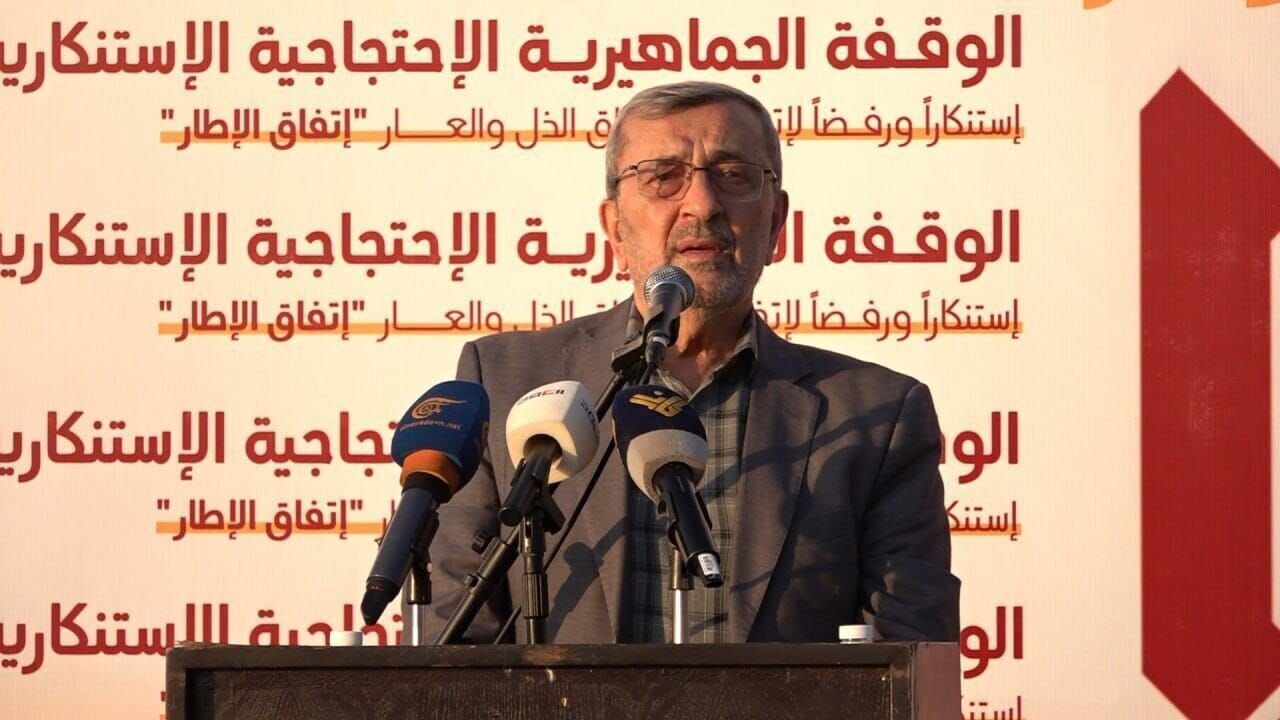
Education and Higher Education Minister Rima Karami issued a strong statement carried by Lebanon’s state-run National News Agency (NNA) on Friday, expressing profound outrage. She specifically accused Israeli forces of looting schools before systematically using explosives to reduce them into “piles of ashes.” Minister Karami vehemently stated that the destruction of Lebanon’s schools and education system is taking place “before the eyes of the entire world,” calling for international attention and intervention. Israel maintains that its operations are primarily targeting Hezbollah, asserting that its military actions are directed solely at the militant group. However, Lebanese authorities report that Israel's actions have resulted in the destruction of more than 11,000 buildings in southern Lebanon, a significant portion of which are civilian structures, as part of its war against Hezbollah. The reported casualties include 250 children among the dead, further intensifying calls for accountability and protection of civilians. The international community continues to monitor the situation closely, with growing pressure on all parties to adhere to international humanitarian law and protect civilian lives and infrastructure.