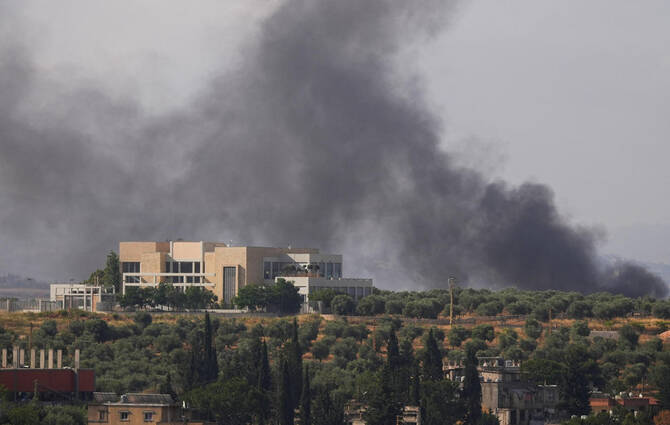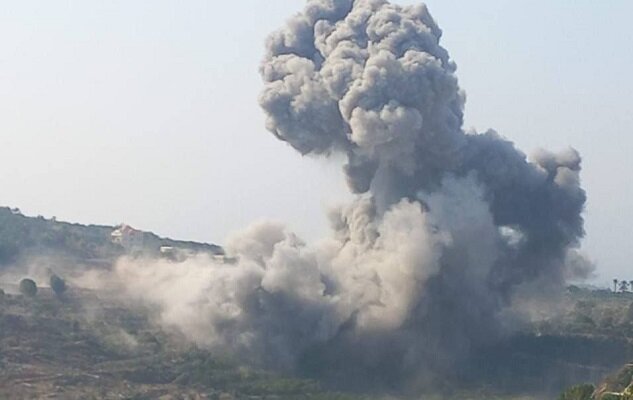
Israeli airstrikes in southern Lebanon have killed at least five individuals, according to reports, with some sources describing the fatalities as martyrdom. These recent strikes show a significant escalation in cross-border hostilities. Ali Badie, the mayor of the Ar-Rihan municipality, was among those killed in an Israeli strike on the region within the Jezzine district of southern Lebanon. His death marks a notable loss within the local administration and notes the direct impact of the ongoing conflict on civilian leadership.
Escalating Attacks and Casualties
An airstrike targeting the town of Maarakeh in the Tyre district resulted in one fatality, according to Lebanon's official National News Agency (NNA) as quoted by Press TV. This incident adds to the grim tally of lives lost in the recent wave of violence. Separately, three individuals were killed in the towns of Deir al-Zahrani and Kafr Reman, which are both situated in the Nabatieh district. These three individuals lost their lives in distinct incidents, contributing significantly to the rising casualty count in the region. The precision of these strikes and their impact on multiple locations across southern Lebanon indicate a broad operational scope by the Israeli military. The continued loss of life is a major concern for local authorities and international observers.
Further Israeli assaults conducted at dawn caused significant damage in Bint Jbeil, a town in southern Lebanon. The NNA reported that these attacks led to the destruction of both homes and government structures within Bint Jbeil, severely impacting the town's infrastructure and the daily lives of its residents. The extent of the damage suggests intense bombardment, leaving many buildings uninhabitable and public services disrupted. These morning raids have exacerbated an already tense situation along the border.
Evacuation Orders and Border Alerts
The Israeli military issued threats to residents in 24 Lebanese towns and villages, instructing them to evacuate their homes immediately and move "north of the Zahrani River." This directive prompted a swift response from local populations within the targeted areas, leading to widespread displacement and adding to the humanitarian concerns in southern Lebanon. The explicit nature of these threats has created an atmosphere of fear and uncertainty among the civilian population. The order to relocate north of the Zahrani River suggests a potential expansion of military operations in the southern regions.
Separately, the Israeli military announced on Saturday that an air raid alert had been triggered in the northern town of Metula. The alert was initiated due to what the military described as the "infiltration of a hostile aircraft" originating from Lebanon into Israeli airspace. This incident notes the volatile nature of the border region, where cross-border movements continue to provoke immediate military responses and alerts. Such incursions often lead to retaliatory actions, further fueling the cycle of violence. The detection of an unidentified aircraft shows the heightened state of readiness on both sides of the border.
Local Reactions and Tunnel Reports
Assaults are persisting in southern Lebanon despite a "ceasefire" reportedly brokered by the United States. This continued military activity, despite diplomatic efforts, complicates prospects for de-escalation and peace in the region. The ongoing violence raises questions about the effectiveness and adherence to any proposed ceasefire agreements. Meanwhile, local authorities have reacted strongly to media reports concerning the region. The municipality and city council of Nabatieh in southern Lebanon expressed anger over a report by the Saudi-owned al-Hadath television news channel. The report claimed the existence of Hezbollah tunnels underneath the city of Nabatieh. Local officials vehemently denied these allegations, calling them baseless and provocative. The strong denial reflects local concerns about misinformation and its potential to further destabilize the area, especially given the sensitive security situation. The municipality emphasized that such reports could incite further conflict and endanger the civilian population.