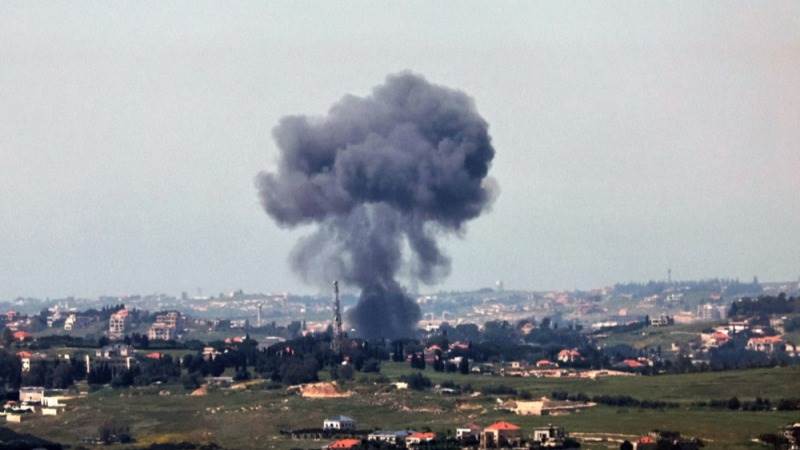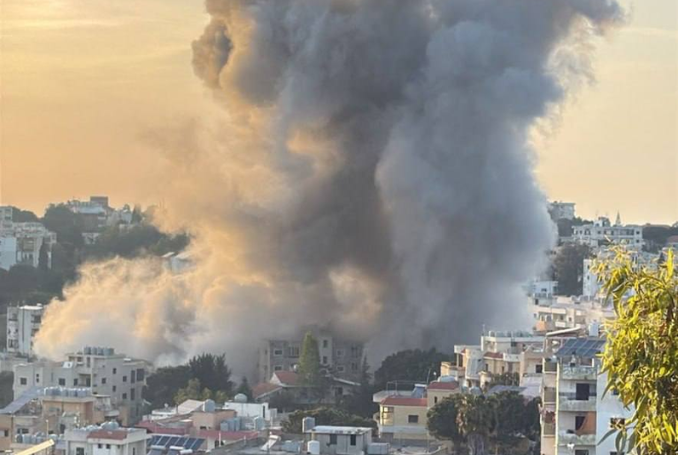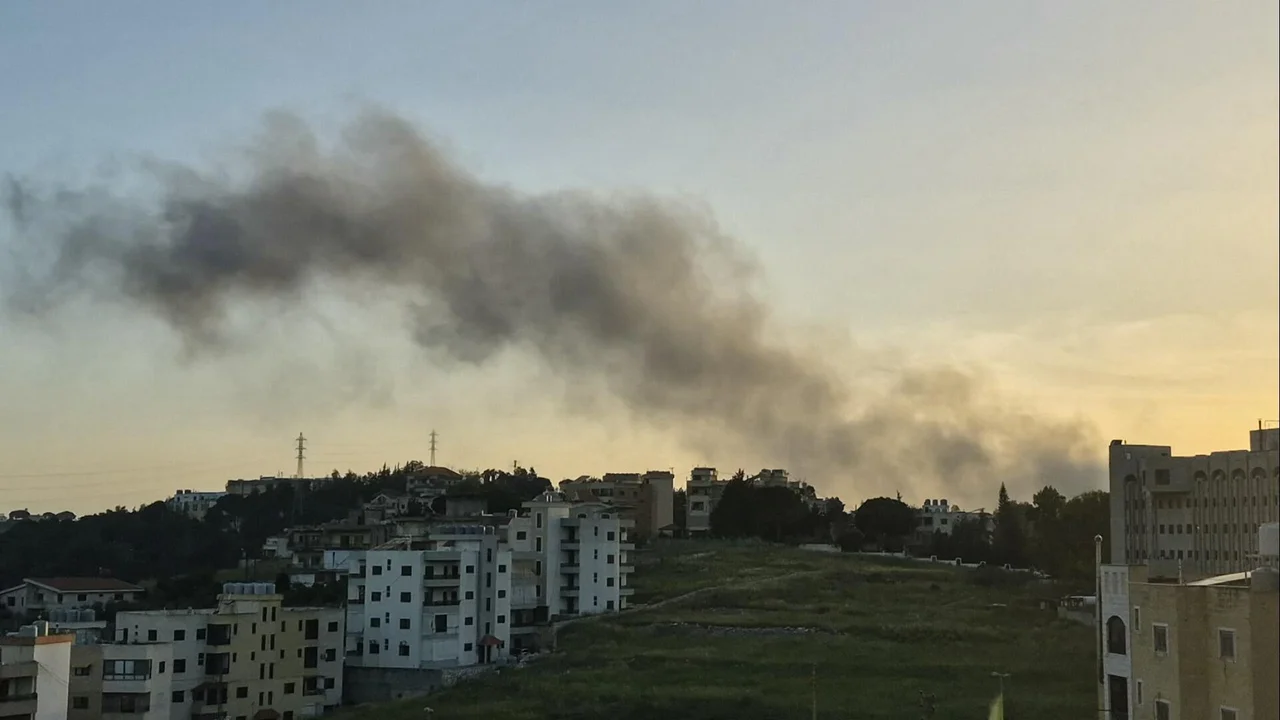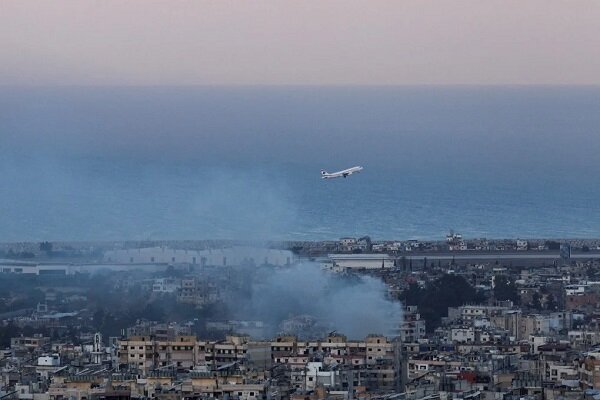
Israeli aircraft conducted a strike on the town of Rihan in southern Lebanon. The incident was reported on May 11 by Mehr News Agency in TEHRAN. The strike targeted the southern Lebanese town, though further details regarding the extent of damage or casualties were not immediately available. This action by Israeli aircraft represents a significant development in the ongoing security situation along the border. The operation, which reportedly involved Israeli aircraft, emphasizes the persistent volatility in the region.
Details of the Strike
The strike by Israeli aircraft occurred in Rihan Town in southern Lebanon. Details regarding the precise nature of the target within the town were not immediately released. The incident was reported by Mehr News Agency, based in TEHRAN, on May 11. Initial reports did not specify the extent of any damage to infrastructure or buildings in Rihan Town, nor did they provide information on potential casualties. The operation marked a continuation of aerial activity in the region, drawing attention to the escalating cross-border exchanges. Further information from official sources about the specific objectives of the strike or its immediate aftermath was awaited following the initial report. The Mehr News Agency report did not include statements from either Israeli or Lebanese authorities concerning the event, leaving many questions unanswered regarding the specifics of the aerial operation. The lack of immediate official confirmation or denial from either side further complicates the assessment of the situation. This type of military action often leads to a period of uncertainty as details are gathered and verified.
Regional Tensions
The Israeli aircraft strike on Rihan Town in southern Lebanon contributes to an already volatile regional atmosphere. Such incidents frequently escalate tensions between Israel and Lebanon, nations that share a long and often contentious border. The reporting of this event by Mehr News Agency, based in TEHRAN, shows the broader geopolitical interest in military actions occurring in the Levant. These cross-border operations are often viewed within the context of ongoing regional rivalries and security concerns. The strike, carried out by Israeli aircraft, adds another layer of complexity to the delicate security balance. The area of southern Lebanon, where Rihan Town is located, has historically been a flashpoint for such military engagements. The lack of immediate details regarding the strike's impact or official statements from involved parties leaves open questions about potential responses and further implications for stability. This type of military activity notes the delicate security balance maintained by various actors across the region, and each such event is closely monitored for its potential to trigger wider repercussions. The continuous cycle of strikes and counter-strikes maintains a high level of alert and uncertainty among residents and regional observers alike.
International Response
There were no immediate reports from international bodies or individual nations condemning or supporting the Israeli aircraft strike on Rihan Town in southern Lebanon. Global organizations often monitor such incidents along the Israel-Lebanon border, issuing statements typically after official confirmation and assessment of the situation. Regional actors and major powers frequently weigh in on cross-border military actions in the Levant, particularly those involving Israel and Lebanon, due to the potential for broader escalation. However, the initial report from Mehr News Agency in TEHRAN on May 11 did not detail any reactions from external governments or international organizations regarding the incident. The absence of immediate international response could be attributed to the preliminary nature of the report, which lacked specifics on damage or casualties, or the need for verification from independent sources. International bodies often require verified information and official statements before issuing formal reactions, especially given the sensitivity of military actions in this highly contested area. The global community remains watchful, understanding that even localized incidents can have wider implications for regional stability.