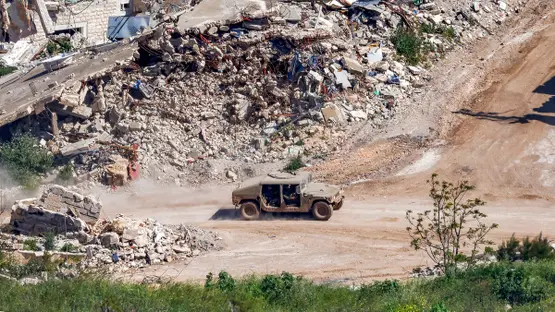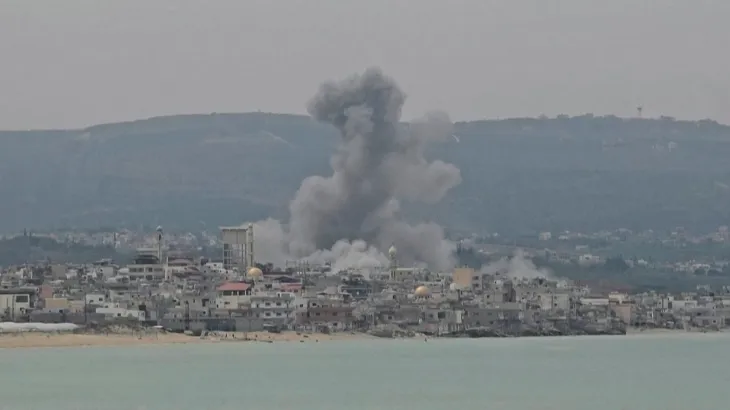
Israeli air strikes in southern Lebanon persisted on Tuesday, challenging a declaration made by US President Donald Trump a day earlier that the "shooting" would cease. The continued military activity suggests that despite diplomatic efforts, hostilities in the region remain active and complex. This ongoing situation notes the persistent challenges in achieving a lasting de-escalation in the volatile border region. The strikes reportedly targeted areas within Lebanon's Nabatieh district, marking ongoing engagement in the cross-border conflict. These operations show the precarious security environment that continues to affect communities in southern Lebanon.
Raids Target Nabatieh District
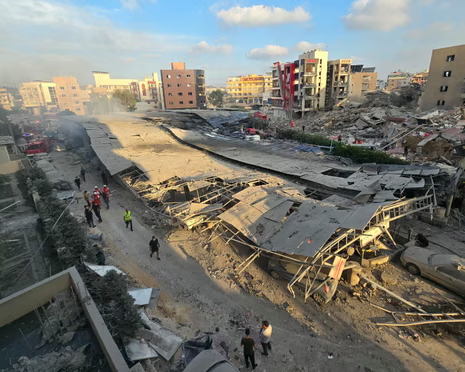
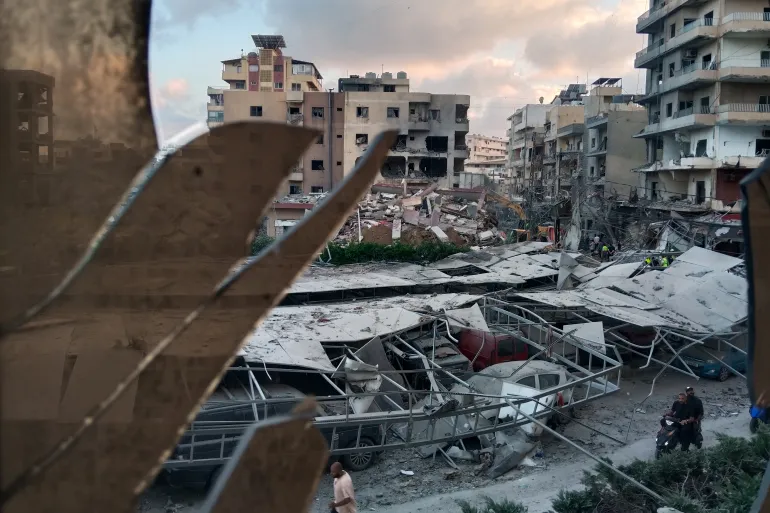
Israeli air raids targeted several areas across the Nabatieh district in southern Lebanon on Tuesday. The raids caused destruction and left several people injured. These strikes followed earlier declarations regarding a cessation of hostilities, making their continuation particularly noteworthy. Military operations in the district resulted in widespread destruction to infrastructure and property, affecting residential areas and local businesses alike. Additionally, the raids left several people injured, though specific figures for the wounded were not immediately available. Local emergency services were reportedly engaged in assessing the damage and providing assistance to those affected by the bombardments. The ongoing military activity shows the persistent tension in the region, despite international calls for de-escalation and diplomatic overtures. Observers noted the continuation of these actions hours after a US presidential statement indicated a pause in combat, raising questions about the immediate impact of such pronouncements on ground operations. The situation continues to be closely monitored by regional and international bodies.
Context of Escalation
The continued Israeli air strikes in Lebanon's Nabatieh district follow a period of heightened cross-border tensions. This recent wave of military actions by Israel against targets in southern Lebanon has intensified concerns about a broader regional conflict. Military sources have indicated that these operations are part of ongoing responses to perceived threats from within Lebanese territory, suggesting a retaliatory or preemptive nature to the strikes. The sustained engagement comes despite diplomatic efforts aimed at de-escalation in the region, including statements from US President Donald Trump regarding a potential ceasefire. Such efforts often seek to reduce violence and prevent further loss of life. Local reports from Lebanon detail widespread damage to infrastructure and residential areas in Nabatieh, a district frequently impacted by such military actions throughout periods of heightened tension. The exact number of casualties remains unconfirmed, though multiple injuries have been reported, necessitating immediate medical attention for those affected. This persistent military activity notes the complex and volatile security situation along the border, where declarations of peace often meet the reality of ongoing conflict.
International Reactions and Implications
The persistent Israeli air strikes in Lebanon's Nabatieh district, despite an earlier declaration from US President Donald Trump, have drawn international attention to the ongoing cross-border conflict. Mr. Trump had stated that the "shooting" would cease, suggesting a potential de-escalation and offering a glimmer of hope for a reduction in hostilities. However, subsequent military actions in southern Lebanon indicate a divergence between diplomatic pronouncements and events on the ground, challenging the efficacy of such statements.
These continued operations raise questions about the effectiveness of international efforts to mediate a ceasefire in the region, particularly when military actions persist after public declarations of a halt. The US, through President Trump's statement, had seemingly signaled a pause in hostilities, yet the strikes persisted, creating a complex narrative for international observers. This situation shows the complex security dynamics affecting Lebanon and the challenges in implementing a durable cessation of military activities. The discrepancy between stated intentions and observed actions can complicate future diplomatic initiatives and erode trust among parties. The international community continues to monitor developments closely, as the gap between declared intentions and observed actions could impact future diplomatic initiatives and the broader stability of the region. The ongoing violence in Nabatieh district serves as a stark reminder of the fragile peace in the area.