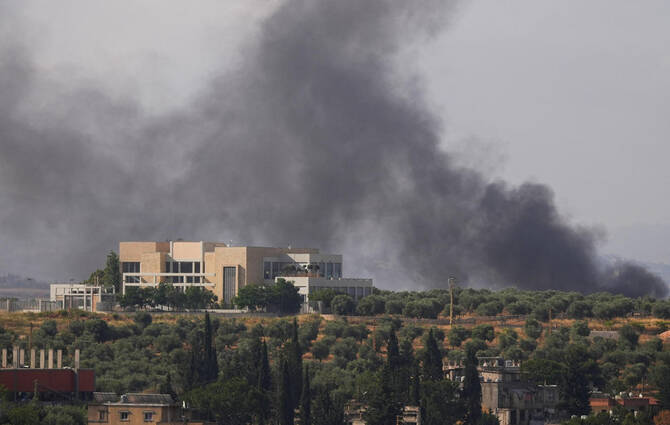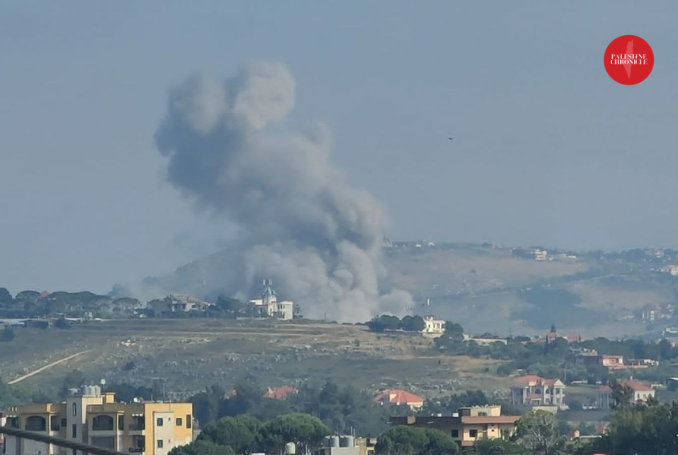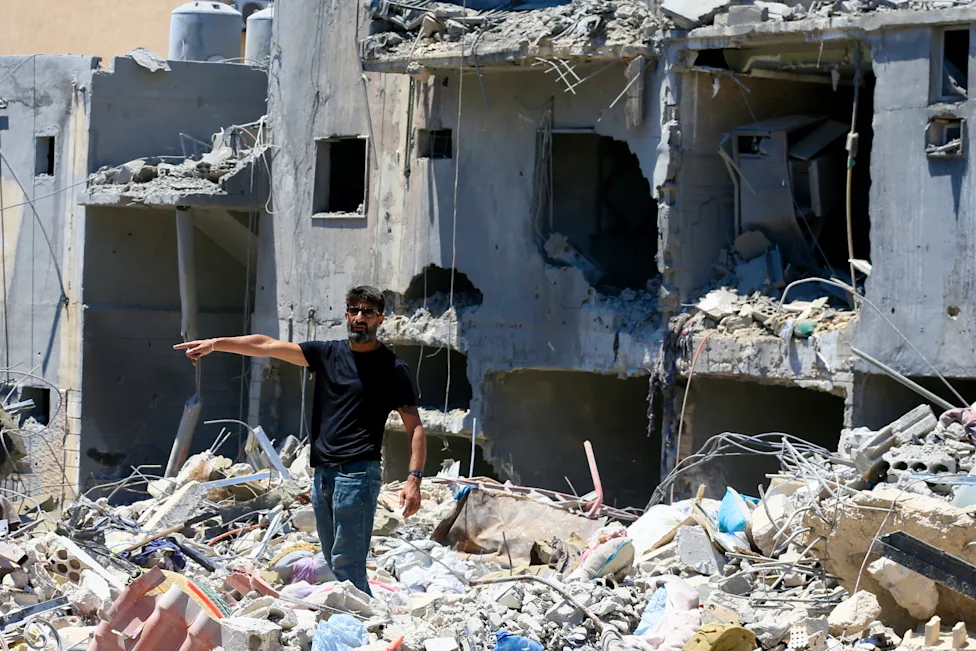
Israeli air raids across southern Lebanon killed at least five people and caused significant damage, with attacks reported in multiple districts. These intensified military operations have drawn international concern and further destabilized the volatile border region. The pattern of strikes indicates a broad geographical scope, affecting both residential areas and infrastructure.
Ali Badie, the mayor of Ar-Rihan municipality, was tragically among those killed in an Israeli attack on the area located in the Jezzine district of southern Lebanon. His death shows the direct human cost of the ongoing hostilities and the risks faced by local officials. The attack on Ar-Rihan is one of several incidents contributing to the rising casualty count in the region. Separately, Israeli attacks at dawn demolished homes and government buildings in southern Lebanon's Bint Jbeil, according to Lebanon's National News Agency (NNA). The destruction in Bint Jbeil notes the extensive material damage inflicted on civilian infrastructure, impacting daily life for residents.
A new Israeli attack was also reported in the municipality of Nabatieh al-Fawqa in the Nabatieh district. This strike adds to the series of incidents in the Nabatieh district, which has been a recurrent target of Israeli military actions. These strikes followed an alert issued by the Israeli military on Saturday. The Israeli military stated an air raid alert had been activated in the northern town of Metula due to the "infiltration of a hostile aircraft" from Lebanon, indicating further cross-border activity. The activation of such alerts in Israeli border towns reflects the reciprocal nature of the cross-border engagements, with both sides reporting incursions and retaliatory measures.
Escalating Conflict and Military Claims
The Israeli military has claimed it killed seven Hezbollah fighters over the past week. This claim is part of a broader narrative from the Israeli side regarding its operations against Hezbollah in southern Lebanon. Such assertions are frequently made amidst the ongoing exchanges of fire across the border. Separately, the Israeli military stated it destroyed Hezbollah rocket launchers and hit more than 70 of its sites in southern Lebanon over the past 24 hours. The reported destruction of rocket launchers and numerous sites suggests a concerted effort by the Israeli military to degrade Hezbollah's operational capabilities in the area. This level of activity points to a sustained and intense military campaign.
The Lebanese army reported that one of its soldiers was severely injured after being targeted by the Israeli military twice. The incident occurred while the soldier was traveling on the Kfar Reman–Nabatieh road. This targeting of a Lebanese army soldier raises concerns about the potential for broader escalation and unintended consequences, as the Lebanese army is a distinct entity from other armed groups operating in the south. Such incidents complicate the already tense security situation along the border.
According to Lebanon's Ministry of Health, Israeli attacks have resulted in the deaths of at least 3,756 people and injuries to 11,632 others since March 2. These grim statistics provide a stark illustration of the severe humanitarian toll that the ongoing conflict is inflicting on the Lebanese population. The high number of casualties shows the urgency of efforts to de-escalate the situation and protect civilian lives.
Lebanon Faces Critical Juncture Amidst Widespread Attacks
One person was killed in an air strike that targeted the town of Maarakeh in the Tyre District, according to Lebanon's National News Agency (NNA). The incident marks another instance of fatalities in the ongoing cross-border hostilities affecting southern Lebanon. Maarakeh, like many other towns in the district, has found itself repeatedly caught in the crossfire.
Separately, three individuals lost their lives in the towns of Deir al-Zahrani and Kafr Reman, both located within the Nabatieh District. These strikes add to the rising casualty count in the region, which has seen continuous Israeli military operations. The loss of life in these communities further illustrates the devastating impact of the conflict on civilian populations. The attacks have prompted concerns about the safety of civilians in the affected areas, leading to calls for greater protection and international intervention. The cumulative effect of these repeated strikes is significant displacement and a deepening humanitarian crisis.
Two additional air attacks were reported at the junction between Nabatieh and Kfar Reman, and in the town of al-Riz in the Sidon district. These strikes further illustrate the breadth of the military activity across various southern Lebanese districts. The intensity of these operations has been a consistent feature of the border region in recent weeks, indicating a persistent and widespread campaign. The targeting of multiple locations across different districts suggests a deliberate strategy to exert pressure across a wide area of southern Lebanon.
Further Israeli strikes also targeted Deir Qanun al-Nahr and as-Sawana in the Marjayoun district. These attacks in Marjayoun highlight the extensive geographical reach of the Israeli military's operations, impacting communities far and wide across the southern Lebanese landscape. The persistent targeting of towns across southern Lebanon has led to widespread displacement and damage to infrastructure. These actions highlight the continued escalation of tensions along the border, forcing thousands of residents to flee their homes in search of safety. The continuous bombardment has severely disrupted daily life, damaged essential services, and created a profound sense of insecurity among the population.
Regional Peace Prospects Emerge Amidst Displacement
The Israeli military threatened residents of 24 Lebanese towns and villages, instructing them to leave their homes immediately and move 'north of the Zahrani River'. This directive, communicated through various channels, has exacerbated the humanitarian crisis, forcing large-scale population movements away from the border areas. The explicit warning shows the perceived threat level from the Israeli side and its intention to create a buffer zone. Amid these developments, Israeli air raids hit the villages of Qana, Bazouriyeh, and Rashkananiyeh in Tyre district. These strikes in the Tyre district are emblematic of the broader pattern of attacks, contributing to the displacement and destruction. Separately, the municipality of Kfar Tibnit in the Nabatieh district was also targeted by Israeli air raids. The targeting of Kfar Tibnit further demonstrates the widespread nature of the air campaign across southern Lebanon. The Majdal Zoun municipality, located in the Tyre district, was hit by artillery shelling. The use of artillery shelling, in addition to air raids, indicates a multi-faceted approach by the Israeli military in its operations against targets in southern Lebanon.
Lebanese President Joseph Aoun stated on Saturday that the country is at "a fateful juncture." His remarks reflect the gravity of the current situation and the profound challenges facing Lebanon. Aoun added that Lebanon must be "a sovereign state that monopolises arms and upholds the rule of law," rather than being "hostage to the logic of militias and the culture of exclusion." This statement by President Aoun notes the internal political struggles and the desire for state authority to be the sole arbiter of security within Lebanese borders. He further emphasized: "We are at a moment that tolerates neither sectarian luxury nor regional tug-of-war." President Aoun's words show the urgent need for national unity and a focus on Lebanese sovereignty, rather than being drawn into broader regional conflicts or internal sectarian divisions. His call for a unified approach suggests a recognition of the existential threats posed by the current instability.
In a potential diplomatic breakthrough, Pakistani Prime Minister Shehbaz Sharif stated that an agreement between the United States and Iran would likely be finalized within the next 24 hours. This announcement, if true, could have significant implications for regional stability, including the situation in Lebanon. Sharif noted that "the electronic signing of the peace deal [would take place] immediately after, followed by technical level talks next week." The prospect of a formal agreement between these two key international players offers a glimmer of hope for de-escalation in various conflict zones. Iranian media reported that the initial agreement would declare an end to the war "on all fronts, including Lebanon." This report from Iranian media suggests that any potential deal aims for a full cessation of hostilities across multiple theaters, which would directly impact the ongoing conflict in southern Lebanon. The focus on ending the war "on all fronts" indicates a broad diplomatic effort to restore peace to the wider region.