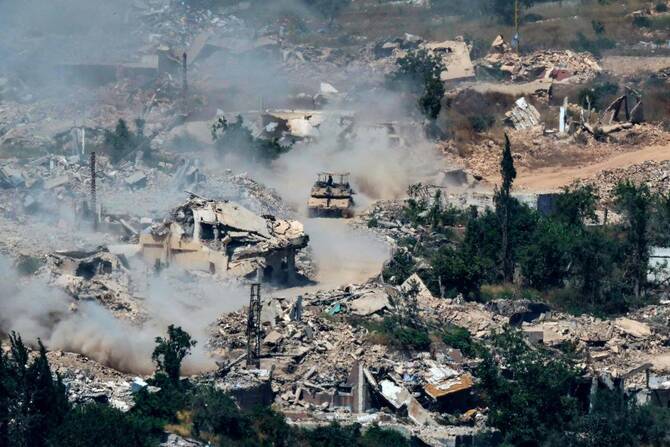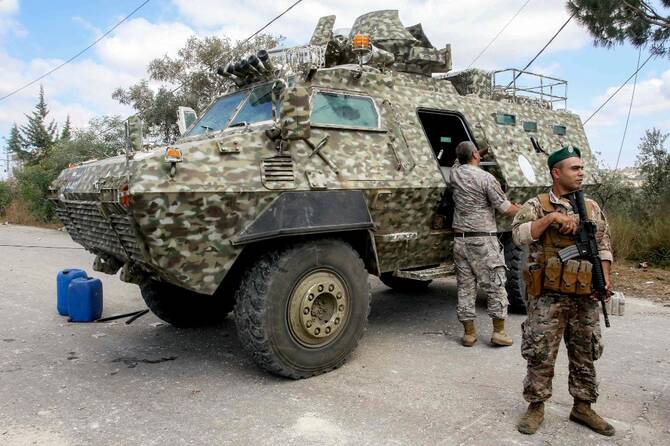
The Israeli military announced on Thursday its intent to continue operations in southern Lebanon to "remove threats" beyond its designated security zone. This declaration follows a memorandum of understanding signed on Wednesday by the United States and Iran, which aimed to cease fighting on all fronts in the Middle East, including in Lebanon. The agreement was intended to halt hostilities, but Israel's statement indicates a continuation of its military activities in the region. The Israeli military explicitly stated on Thursday that it will continue operating in southern Lebanon and “remove threats” beyond its so-called security zone, showing its commitment to its security objectives despite the broader diplomatic developments.
Continued Threats Beyond Zone
An Israeli military official stated the army "will continue to remove threats to IDF soldiers and the civilians of the State of Israel that are identified beyond the security zone." This declaration came as the Israeli military published a map depicting its declared "security zone," which extends approximately 10 kilometers (six miles) inside Lebanese territory. The publication of this map served to delineate the area of operations that Israel considers vital for its security. The announcement followed an incident in south Lebanon the previous night, where Israel’s military reported the death of one of its soldiers and injuries to seven other troops. This incident occurred during an operation in the area, noting the ongoing dangers faced by Israeli forces. Hours after the ceasefire agreement between the United States and Iran was signed, Lebanese state media reported one person was killed in an Israeli drone strike in southern Lebanon, further illustrating the complex and volatile situation on the ground. The Israeli military's continued operations, even after the signing of the memorandum, signal a firm stance on its perceived security needs.
Ceasefire Agreement Details
The United States and Iran formalized an agreement aimed at concluding the broader Middle East conflict, specifically encompassing hostilities in Lebanon. The accord, signed on Wednesday, seeks to establish a cessation of fighting across various fronts in the region. This memorandum of understanding, signed by the United States and Iran, was specifically meant to end the Middle East war, with fighting supposed to be halted on all fronts, including in Lebanon. The signing of this agreement marked a significant diplomatic effort to de-escalate regional tensions. Since the initial announcement by Iran and the United States on Monday that they had reached this agreement, Lebanon has experienced a notable reduction in the level of violence. This decrease in hostilities followed the diplomatic efforts to de-escalate regional tensions, suggesting that the agreement had an immediate, albeit partial, impact on the ground. The aim of the agreement was to bring an end to the widespread conflict that has gripped the region.
Broader Conflict Context
Hezbollah initiated Lebanon's involvement in the Middle East conflict during March, launching attacks against Israel. The group stated its actions were in retaliation for the killing of the Islamic republic’s supreme leader, an event that occurred at the outset of the US-Israeli campaign. Hezbollah's decision to attack Israel in March drew Lebanon directly into the wider Middle East war, escalating tensions significantly. In response to these attacks, Israel carried out extensive strikes across Lebanon and commenced a ground invasion into the southern part of the country. These retaliatory actions by Israel further intensified the conflict, leading to a cycle of violence that the recent ceasefire agreement aims to address. The ground invasion showed the severity of Israel's response to the threats it perceived from Lebanese territory.
Ongoing Diplomatic Efforts
Lebanon and Israel have been engaged in direct talks in Washington since April, aiming to address ongoing regional tensions. These discussions represent a sustained diplomatic effort between the two countries, focused on resolving long-standing issues. The talks have been a consistent feature of diplomatic efforts alongside broader regional developments, demonstrating a parallel track of engagement even as military actions continued. Representatives from both nations are scheduled to reconvene next week, indicating a continuation of these negotiations. This upcoming meeting notes the ongoing commitment of both Lebanon and Israel to pursue diplomatic solutions, despite the complexities and challenges presented by the recent military and political developments. The persistence of these talks suggests a recognition by both sides of the need for a diplomatic channel to manage and potentially resolve their disputes.