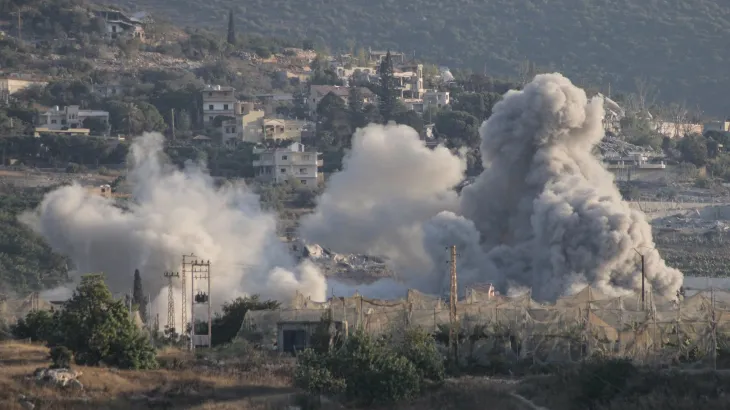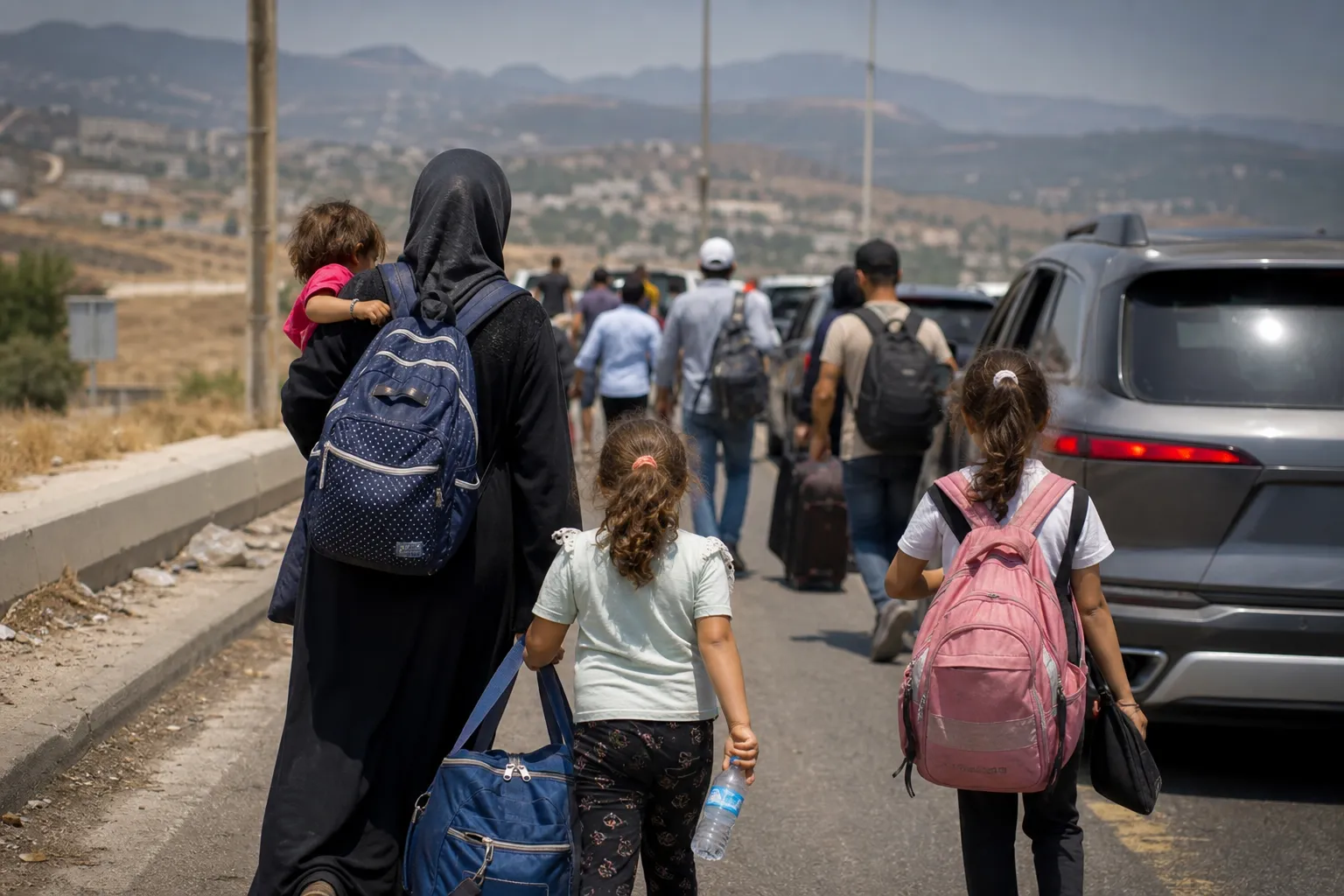
Israel is set to release five Lebanese detainees as part of an agreement that also includes pledges to work towards further releases and the search for and return of remains. This move is directly linked to ongoing negotiations aimed at recovering the remains of Lebanese Jewish community leaders who were killed during the 1980s. One of the five detainees, Malek Kamal Ghazi, has already been released and handed over to Lebanese authorities. The transfer occurred via the Nacora crossing, a key point for such exchanges between the two countries, showing its significance in facilitating cross-border agreements. The broader agreement signals a diplomatic effort to address long-standing issues surrounding missing persons and prisoners between Israel and Lebanon, a complex and sensitive area of bilateral relations.
Detainees Released and Denied Affiliations
Benjamin Netanyahu’s office stated it had verified that the men involved in the exchange were not affiliated with any armed organizations. This assertion comes amid ongoing discussions regarding the identities and backgrounds of those being released, a critical point for both sides. Sources familiar with the negotiations denied earlier reports that Malek Kamal Ghazi, one of the detainees already transferred, was a member of Hezbollah. These sources emphasized that Ghazi's detention was not linked to militant activities, clarifying the nature of his release. This clarification is key in managing perceptions and expectations surrounding the exchange.
The broader framework agreement, under which these releases are occurring, also envisages an eventual Israeli withdrawal from southern Lebanon. This aspect of the agreement points to a more full diplomatic effort aimed at resolving long-standing territorial and security issues between Israel and Lebanon, beyond just the immediate exchange of detainees and remains. Such a withdrawal would represent a significant shift in the regional dynamic. The details of such a withdrawal, including its timeline and conditions, are expected to be subject to further negotiation, noting the complexity of implementing such a wide-ranging accord.
Framework Agreement Details
The release of detainees is connected to ongoing negotiations aimed at recovering the remains of Lebanese Jewish community leaders who were killed during the 1980s. This humanitarian aspect forms a central pillar of the current diplomatic efforts. A U.S.-mediated framework agreement, which underpins these discussions, was formally signed in June, providing a structured basis for the negotiations. This framework agreement specifically includes pledges to work towards the release of detainees and the search for and return of remains, indicating a multi-faceted approach to resolving outstanding issues. However, the Amal Movement parliamentary bloc, which is affiliated with Hezbollah, has reiterated its rejection of this framework agreement, indicating internal divisions and potential obstacles to its full implementation. Simultaneously, an Israeli force reportedly abducted three Lebanese individuals from the town of Hulta, located in the Hasbaya district, on Thursday morning, an incident that could complicate the delicate negotiations.
Broader Context and Remaining Detainees
Al-Manar TV Lebanon reported that Israeli occupation soldiers released one Lebanese man and are expected to release four additional prisoners: two Lebanese and two Syrians. This report provides a specific breakdown of the expected releases beyond Malek Kamal Ghazi. Anadolu Ajansı, however, reported that Beirut had confirmed receiving only one detainee, facilitated by the International Committee of the Red Cross, emphasizing the singular confirmed transfer from the Lebanese perspective at that time. Reuters stated that Israel would release five Lebanese citizens detained in southern Lebanon after determining they had no links to militant groups, reinforcing the Israeli position on the detainees' affiliations. According to Reuters, Benjamin Netanyahu’s office indicated this decision was part of negotiations to recover the remains of Jewish community leaders who were kidnapped and killed in the mid-1980s, reiterating the core motivation behind the exchange. Reuters also noted that the agreement envisages an eventual Israeli withdrawal from southern Lebanon, noting the long-term implications of the framework. Despite these releases, Reuters reported that Israel continues to hold 35 Lebanese individuals, including 20 civilians, showing that a significant number of detainees remain in Israeli custody and indicating the ongoing nature of the broader issue. The continued detention of these individuals suggests that further negotiations will be necessary to achieve a more full resolution.