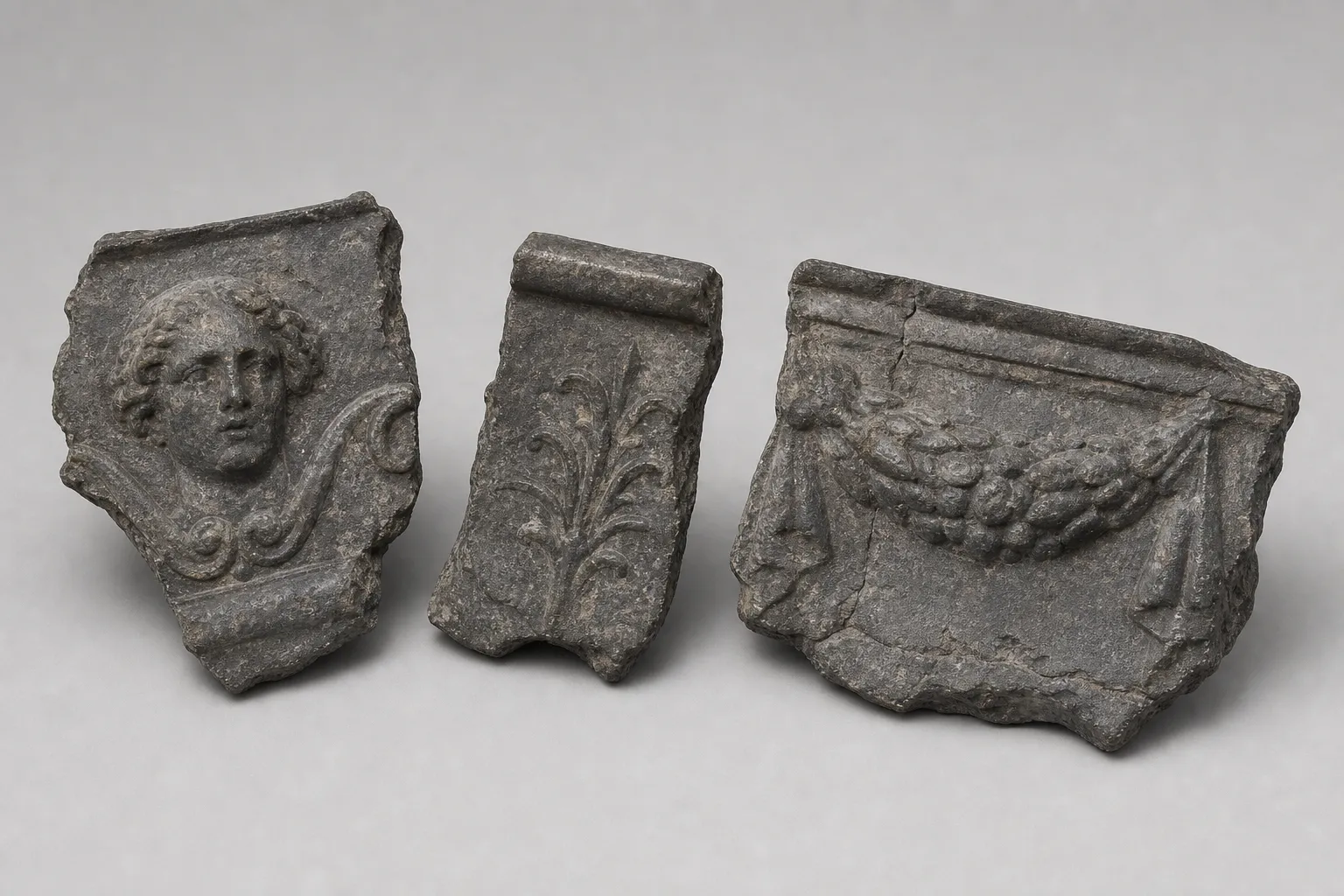
The United States officially handed over three decorative lead fragments of Roman-era sarcophagi to Lebanon’s consulate in New York on September 2. This significant event marked the repatriation of artifacts believed to have been illegally excavated and subsequently trafficked. The handover ceremony in New York showed the ongoing efforts to combat the illicit trade of cultural property. According to the US Federal Bureau of Investigation (FBI), the fragments originated from illicit excavations conducted in or near Tyre, Lebanon, a region renowned for its rich archaeological heritage.
Origin and Discovery
The US Federal Bureau of Investigation (FBI) stated unequivocally that "the antiquities were stolen during illegal excavations in Tyre or its surroundings and were later taken out of Lebanon." This assertion notes the widespread issue of cultural heritage theft. Lebanese Culture Minister Ghassan Salame independently affirmed the fragments' origins, stating that "the fragments were found in the Tyre area during illegal excavations." Minister Salame further explained that the items' distinct features align with historical manufacturing practices in the region, providing key clues about their provenance. He noted that "the artistic, decorative and technical characteristics of the items are typical of Tyre workshops, which produced lead sarcophagi in ancient times." These ancient workshops were particularly known for their specialized production of such ornate funerary artifacts during the Roman era, making the discovery and return of these fragments particularly valuable for understanding regional history.
Context of Trafficking and Heritage
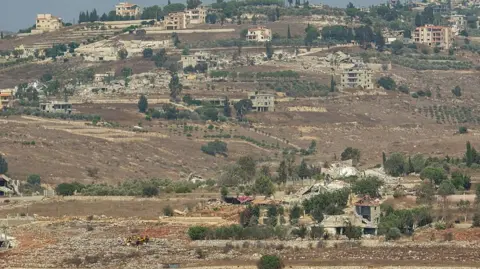
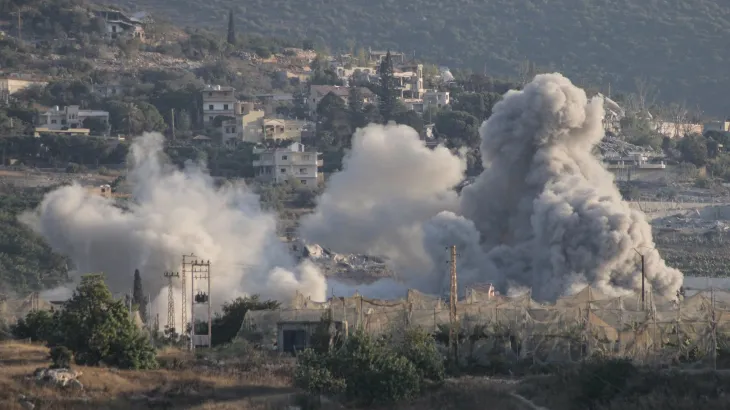
The trade in stolen antiquities is a widespread and persistent problem across the Middle East, often fueled by conflict and instability. New York, with its extensive network of galleries, auction houses, and private collectors, serves as one of the world’s significant centers for the art market, unfortunately making it a hub for both legitimate and illicit cultural property. Lebanese Culture Minister Ghassan Salame described the Tyre region as exceptionally rich in archaeological heritage, making it a frequent target for illegal excavations. Salame stated that the Tyre region sustained significant destruction as a result of intensive Israeli strikes during the latest war between Israel and the Iran-backed Hezbollah group, further exacerbating the vulnerability of its historical sites. The impact of such conflicts on cultural heritage is profound. In July, UNESCO officially added Tyre to the list of World Heritage sites in danger, recognizing the urgent need for protection and preservation of its invaluable historical legacy.
Bilateral Partnership and Past Returns
The US Embassy in Lebanon stated that the return of the sarcophagi fragments notes the ongoing collaboration between the two nations in safeguarding cultural heritage. "The return of the antiquities reflects the partnership between the United States and Lebanon in countering the illicit trafficking of cultural property," the Embassy affirmed in a statement. This latest repatriation follows previous successful efforts to restore Lebanon's cultural heritage. In December 2017, the United States returned three ancient artifacts to Lebanon, demonstrating a continued commitment to this cause. Among these items was a bull’s head of Greek origin, which had been valued at an impressive $1.2 million, showing the significant monetary and cultural value of such recovered pieces. Such returns show a sustained commitment by both the United States and Lebanon to combating the illegal trade of cultural property and preserving historical patrimony for future generations. These actions serve as a testament to the importance of international cooperation in protecting global heritage.