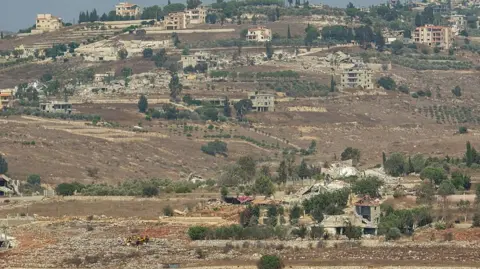
Three Lebanese farmers were detained by Israeli forces in the village of Halta, located in southern Lebanon's Hasbaya province. The detentions occurred as negotiations regarding border incidents between Lebanon and Israel remain stalled, further complicating the already fragile security situation along the shared frontier. The individuals, identified as farmers, were reportedly apprehended within Lebanese territory near the border, specifically in an area claimed by both nations. The incident marks a fresh escalation in tensions, drawing immediate attention to the long-standing disputes and the ongoing presence of Israeli forces in southern Lebanese territory.
Farmers Detained, Civilian Released
Israeli forces reportedly contacted the three farmers via their mobile phones, instructing them to proceed to a specific location where they were subsequently detained and removed, according to Issa Abedelaal, a relative of one of the detained individuals. "Israeli forces called the three farmers on their mobile phones and instructed them to report to a location, where they were detained and taken away," Abedelaal stated, describing the sequence of events leading to their apprehension. The detentions of the three Lebanese farmers were promptly reported to the US-led International Monitoring and Implementation Mechanism, an established body designed to oversee and address such incidents in the volatile border region.
In a related development, Malek Ghazi was released and handed over to the Lebanese army. The International Committee of the Red Cross facilitated this transfer, playing a key humanitarian role in ensuring his safe return. Ghazi's release provided a glimmer of hope amidst the current detentions. Meanwhile, Israel has indicated that four additional Lebanese civilians are scheduled for release on Friday, a move that could potentially de-escalate some of the immediate tensions following the farmers' apprehension.
Context of Occupied Territory and Border Incidents
The area where the three farmers were detained is situated within a roughly 600 square kilometer territory that Israel continues to occupy, a point of contention consistently raised by Lebanese authorities. This region, characterized by its disputed status, has been the site of previous incidents involving both military and civilian personnel from both sides. The continued Israeli presence in this zone is a primary driver of instability, frequently leading to confrontations and claims of sovereignty violations.
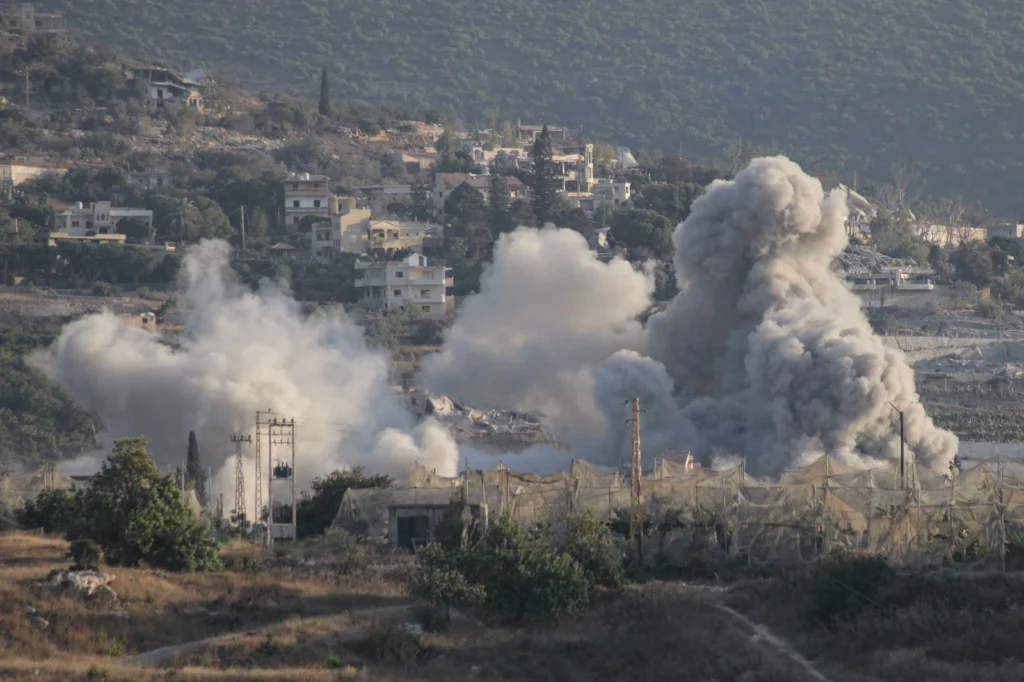
Lebanese authorities reported that 11 individuals were killed in an Israeli air strike on the region in August. The strike prompted condemnation from Lebanese officials, who described it as a flagrant violation of national sovereignty and international law. These officials emphasized that such actions undermine any efforts towards achieving lasting peace and stability in the border area.
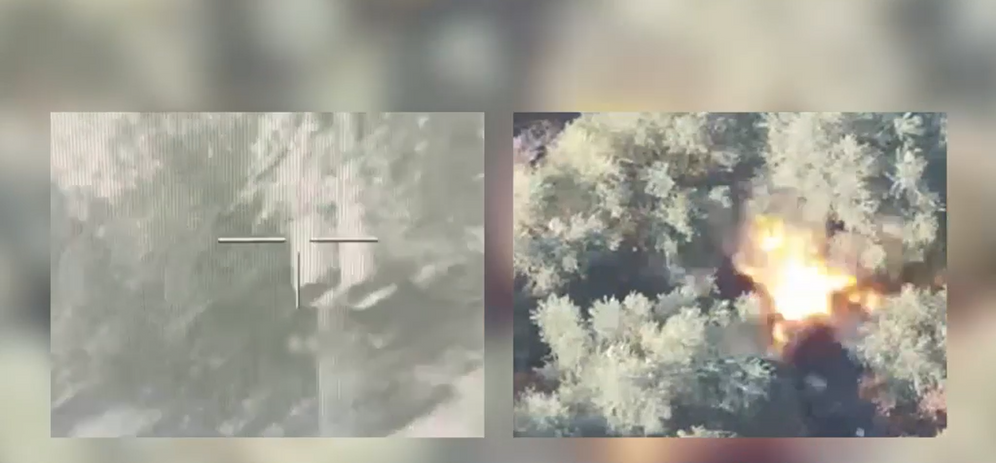
Regarding the August strike, Israel's Defense Forces (IDF) stated at the time that the operation had successfully killed a Hezbollah commander. The IDF frequently conducts operations in areas it considers a threat, including those where it alleges the presence of Hezbollah operatives. Such incidents have historically contributed to heightened tensions along the border between Lebanon and Israel, often leading to cycles of retaliation and increased militarization. The continued occupation of territory and intermittent military actions show the fragile security situation in the region, often impacting civilian populations living near the border, who bear the brunt of these geopolitical struggles. The recent detention of the farmers notes the persistent danger faced by residents in these contested zones.
Stalled Peace Talks Framework and Hezbollah's Stance
Negotiations between Israel and Lebanon remain stalled over a full framework that includes critical elements such as Hezbollah's disarmament, an Israeli withdrawal from disputed territories, and the deployment of the Lebanese army in southern Lebanon. A framework agreed upon in mid-June outlined a detailed process where Hezbollah would disarm, the Lebanese army would deploy in the south to assert state control, and Israeli forces would gradually withdraw from currently occupied areas. This proposed framework aims to de-escalate tensions and establish a more stable security arrangement along the shared border, moving towards a more permanent resolution.
However, Hezbollah has explicitly rejected both the ongoing talks and the concept of a pilot-zone for disengagement, which would serve as a preliminary step towards broader implementation of the framework. The organization's unwavering stance presents a significant obstacle to any progress in the negotiations, as its disarmament is a key component of the proposed framework and a non-negotiable demand from the Israeli side. Despite the outlined parameters for discussion and the urgency of the situation, the two sides have yet to agree on a date for the eighth round of talks. This lack of agreement further shows the profound difficulties in advancing diplomatic efforts to resolve outstanding issues between the two nations, leaving the border region in a perpetual state of uncertainty and intermittent conflict.
Official Reactions and Future Releases
Israel released another Lebanese civilian, Malek Ghazi, hours after the farmers' detention. Ghazi had disappeared last October after leaving his home to exercise, his whereabouts unknown until his recent release. Lebanon's Prime Minister Nawaf Salam welcomed Ghazi's release and publicly thanked the United States for its key role in facilitating the process, noting the diplomatic efforts involved in such exchanges. Salam stated that "The government would continue working for the release of all Lebanese detainees, information about those still missing, and a complete Israeli withdrawal from Lebanese territory." This statement reaffirms Lebanon's commitment to its citizens held in Israeli custody and its demand for an end to the occupation. More than 30 Lebanese citizens are still believed to be in Israeli custody, a statistic that shows the persistent human dimension of the conflict. The recent detentions of the three farmers were reported to the US-led International Monitoring and Implementation Mechanism, ensuring international awareness and oversight of these sensitive border incidents. The international community continues to monitor the situation closely, urging all parties to exercise restraint and pursue diplomatic solutions to prevent further escalation.