The editorial board of The National called on Israel and Iran to recognize and respect Lebanon's sovereignty, stating that doing so would serve the long-term interests of both states. The publication asserted that regional powers utilize Lebanese territory, institutions, and its population as a space to compete for influence and resolve their own confrontations. This perspective notes a critical challenge for Lebanon, as its internal stability is often impacted by external rivalries. The editorial urged regional states to build direct, mutually beneficial partnerships with Beirut, rather than perceiving Lebanon as a buffer zone, battlefield, or bargaining chip. It emphasized that such an approach would foster genuine cooperation and support Lebanon's ability to manage its own affairs without undue foreign interference.
Israeli Actions and Concerns
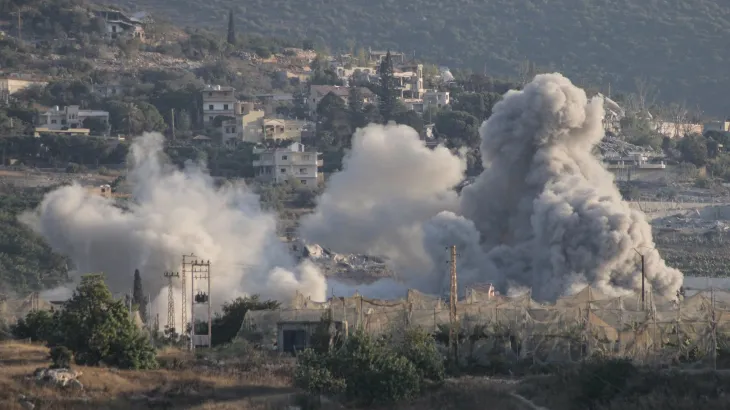
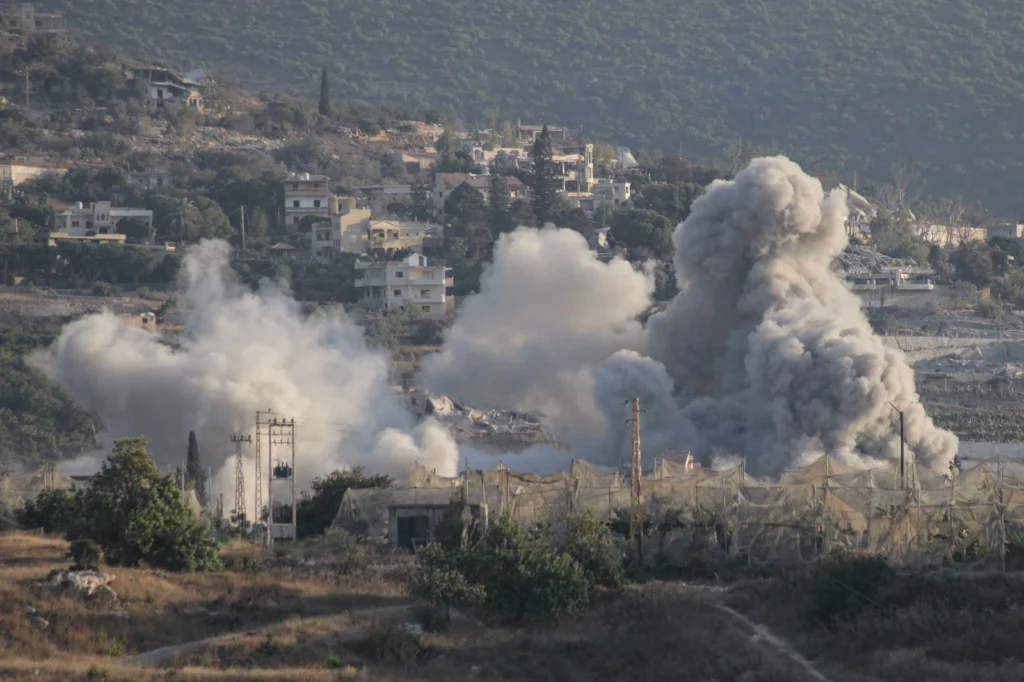
The most visible threat to Lebanon's territorial integrity is the expansion of Israel's military presence in the south of the country. Israeli forces have advanced beyond a self-established “yellow line” into three villages, where they have demolished homes and restricted residents' access to their land. These actions have drawn significant international concern and have been widely reported as violations of Lebanese sovereignty. Israel maintains security concerns due to two major wars with Hezbollah and the group's rocket attacks on its northern areas. These historical conflicts and ongoing threats underpin Israel's rationale for its military posturing in the border region. However, security considerations cannot serve as a permanent justification for destroying homes, displacing civilians, and expanding territorial control within Lebanon. The National's editorial emphasized that while Israel has legitimate security concerns, these do not provide a basis for undermining the sovereignty of its neighbor through such actions. The publication noted the need for all parties to respect established borders and international law, asserting that long-term stability in the region depends on adherence to these fundamental principles. It further stressed that continued incursions risk escalating tensions and destabilizing an already fragile border area, potentially drawing Lebanon into broader conflicts.
Iranian Influence and Response
Iran's long-standing support for Hezbollah has given Tehran extensive influence over Lebanon's internal affairs, a situation that has undermined the role of state institutions. This influence allows external actors to impact Lebanese governance and policy, often bypassing official governmental channels. Iran's Ambassador Mohammad Reza Sheibani, for instance, has refused to leave Lebanon, a decision that has been noted amidst discussions of foreign involvement in the country's sovereignty. The ambassador's continued presence, despite calls for his departure, shows the complexities of Iranian engagement in Lebanon. The presence of the ambassador, coupled with the strong support for Hezbollah, illustrates the depth of Iranian engagement within Lebanon's political landscape. Such actions are seen by some as contributing to the weakening of Lebanon's autonomous decision-making processes and its ability to function as a fully sovereign state. Critics argue that this level of external influence impedes Beirut's capacity to chart an independent course, making it susceptible to regional power dynamics rather than prioritizing its own national interests.
Lebanon's Asserted Sovereignty
Beirut's decision to declare Iran's Ambassador Mohammad Reza Sheibani persona non grata signals a significant move by the Lebanese leadership. This declaration, coupled with a demand that Tehran communicate exclusively through established state institutions, shows Lebanon's asserted desire to restore its national sovereignty. The actions by Beirut reflect an effort to re-establish the primacy of its governmental bodies in diplomatic relations and internal affairs. The Lebanese leadership's stance indicates a pushback against perceived external influences that have historically bypassed official channels. This firm position by Beirut aims to ensure that all interactions with foreign powers are conducted through proper diplomatic channels, thereby affirming the authority of the Lebanese state. Through these measures, Beirut aims to reinforce its authority and ensure that interactions with foreign powers are conducted in a manner consistent with international protocols and Lebanese state autonomy. This approach seeks to strengthen the role of Lebanon's state institutions in managing its foreign policy and internal governance, signaling a clear intent to reclaim full control over its national destiny.