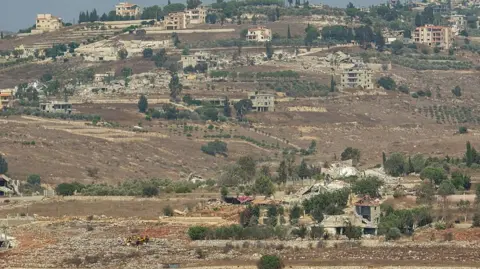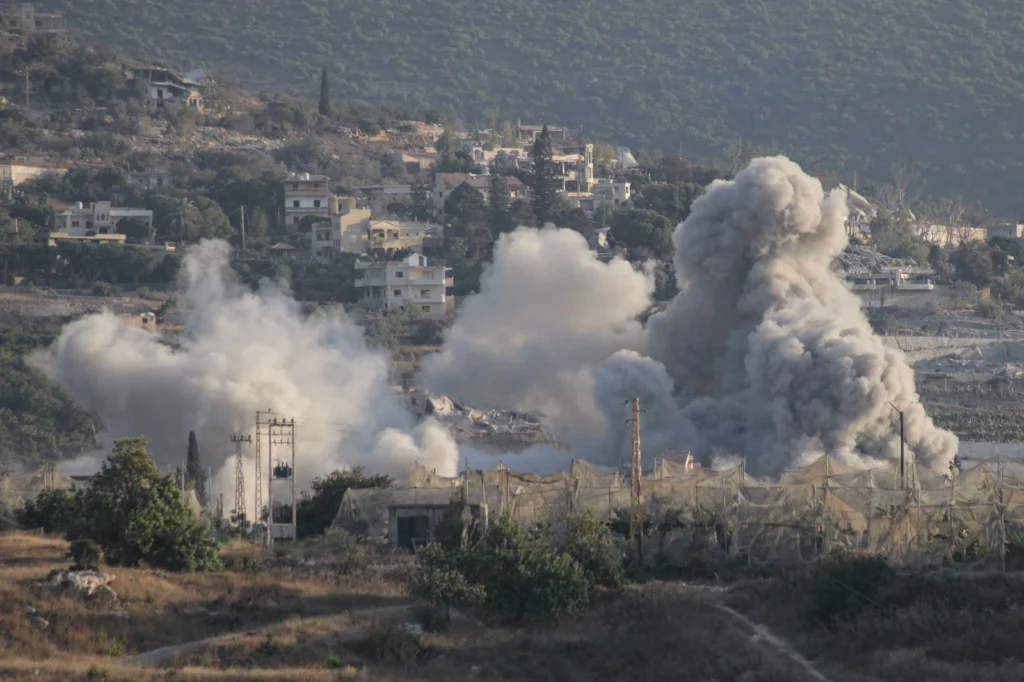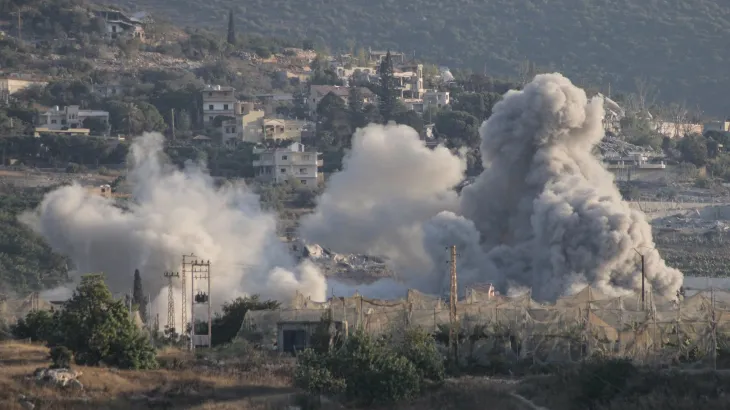
Residents are returning to villages in southern Lebanon that were devastated by Israel’s invasion, with many now struggling to access essential resources. The influx of people back into the region comes as winter approaches, adding urgency to their efforts to rebuild. Many of those returning are finding it difficult to locate sufficient water supplies, a critical challenge given the extensive damage to infrastructure. The devastation caused by Israel’s invasion has left deep scars across these communities, compelling residents to confront significant obstacles in their daily lives as they attempt to re-establish a sense of normalcy.
Homes Reduced to Rubble
Many residents returning to southern Lebanon are finding their homes destroyed, leaving them without shelter as colder weather approaches. The scale of destruction has prompted immediate concerns for basic living conditions, as entire neighborhoods have been leveled. The sight of once-vibrant homes reduced to rubble is a common experience for those venturing back, noting the immense task of reconstruction ahead. This widespread destruction means that a vast number of families are facing the prospect of winter without adequate protection from the elements, intensifying the humanitarian crisis unfolding in the region. The loss of personal property and the physical structures of their lives represents a profound blow to the returning population.
Struggles for Shelter and Water
Many residents are struggling to find affordable shelter upon their return to southern Lebanon. The destruction of homes in numerous villages has left families without viable options for housing as winter approaches. With many structures damaged or completely destroyed, the availability of safe and habitable dwellings has become a critical concern. The limited number of undamaged properties, coupled with the sudden increase in demand from returning populations, is contributing to difficulties in securing housing. This situation is compelling some to seek temporary solutions or remain in precarious conditions, further exacerbating humanitarian challenges in the affected areas. The struggle extends to accessing fundamental necessities such as clean water. Many traditional water sources and distribution networks have been compromised, forcing residents to search for alternative, often unreliable, supplies. The scarcity of potable water adds another layer of hardship, impacting hygiene, health, and daily survival for countless individuals and families. The combined challenge of finding both shelter and water is a constant burden for those attempting to restart their lives.
Winter's Approaching Threat
Winter's approach adds a critical dimension to the challenges faced by residents returning to southern Lebanon. Colder temperatures and increased precipitation are anticipated, intensifying concerns for those without adequate shelter. Many homes have been destroyed, leaving families vulnerable to the elements and the harsh conditions that winter brings. The lack of proper housing and the difficulty in accessing essential resources like water become more acute as weather conditions deteriorate. This seasonal shift compounds existing humanitarian issues, potentially exacerbating health risks and further complicating recovery efforts for communities striving to rebuild amidst significant destruction. The impending winter shows the urgent need for durable solutions for the displaced and returning populations, as the window for establishing secure living conditions rapidly closes. The threat of severe weather looms large, making the provision of basic necessities an immediate and pressing priority for the affected villages.
Resilience Amidst Ruin
Despite extensive destruction, residents of southern Lebanon continue to demonstrate resolve in returning to their communities. Many are actively engaged in clearing rubble and attempting to salvage what remains of their homes, driven by a determination to restore their lives in the region. This collective effort to rebuild is evident across numerous villages, where families are working to secure basic necessities amidst the challenging conditions. The returnees face the daunting prospect of winter without adequate shelter or resources, yet they persist in their efforts to reconstruct their lives. Their commitment to their land remains a central theme as they navigate the aftermath of devastation, inspiring a communal effort to overcome the profound losses. This unwavering spirit is a testament to their deep connection to their ancestral lands and their hope for a future free from conflict.