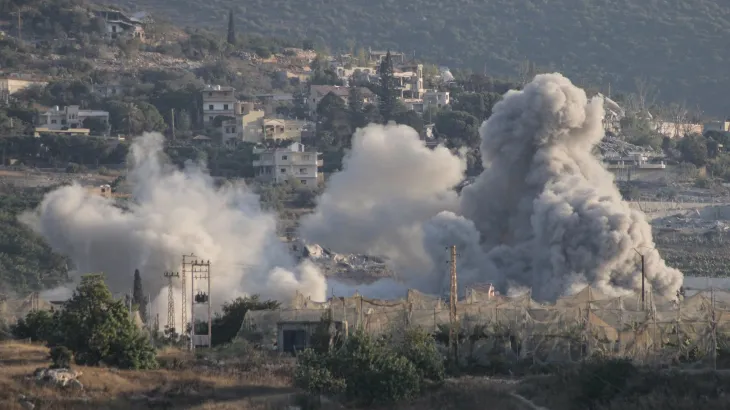
Iran has warned the United States it would respond forcefully to an Israeli offensive targeting the Ali al-Taher ridge in southern Lebanon. This stern message was conveyed directly to Washington, according to three officials briefed on the communication. Reuters reported the information, citing these unnamed officials who provided details on the warning from Tehran. The specific location of the potential offensive, which prompted the Iranian communication, was identified as the Ali al-Taher ridge, a strategically important area situated in southeastern Lebanon. This warning shows the escalating tensions in the region and Iran's firm stance regarding potential military actions against its allies.
Iran's Red Line Defined
Iranian military personnel are reportedly positioned alongside Hezbollah fighters on the Ali al-Taher ridge. This presence signifies the depth of the alliance and shared strategic interests between Tehran and the Lebanese militant group. In its communication, Iran conveyed a message to Washington indicating that any full-scale Israeli offensive on this particular ridge would be met with a "large-scale Iranian attack." Three officials briefed on the message, speaking to Reuters, confirmed this specific and unambiguous threat, noting the gravity of Iran's position. The presence of Iranian personnel alongside Hezbollah in this strategic location in southern Lebanon shows the significance of the ridge to Tehran's security considerations and its willingness to defend its interests and allies in the region. This direct warning to the United States serves as a clear red line for Iran, signaling severe repercussions should Israel proceed with a significant military operation in the area.
Strategic Importance of the Ridge
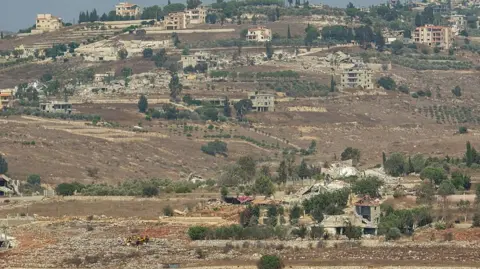
The Ali al-Taher ridge holds significant strategic importance due to its geographical position and reported military infrastructure. The ridge overlooks southeastern Lebanon, providing a commanding view of the surrounding terrain. This elevated position is considered key for surveillance and potential defensive or offensive operations in the region, offering a natural advantage to forces controlling it. Its commanding height allows for observation across a wide area, making it an invaluable asset for military intelligence and operational planning.
Hezbollah is believed to have established an underground command center and maintains weapons stores inside the Ali al-Taher ridge. The presence of such extensive facilities suggests that the group utilizes the ridge's natural defenses for concealed operations and secure storage of its arsenal. The reported underground infrastructure would offer substantial protection and operational advantages for Hezbollah in the event of military engagements, shielding personnel and equipment from aerial bombardment and ground assaults. These factors collectively contribute to the ridge's critical role in the broader security dynamics of southern Lebanon, making it a focal point for both defensive posturing and potential offensive actions in the ongoing regional conflict. The existence of these hidden facilities further elevates the ridge's strategic value and explains why any threat to it would provoke such a strong reaction.
Geopolitical Context and Implications
The warning from Iran to the United States regarding a potential Israeli offensive on the Ali al-Taher ridge was delivered last month, indicating a recent and pressing concern. This timely communication notes the immediate geopolitical implications of any military action in this southern Lebanese location. Israel has described the area as one of its "primary operational focuses," indicating its strategic importance in the ongoing regional tensions and its perceived necessity for security operations. This designation by Israel aligns with Iran's concern over the presence of its military personnel alongside Hezbollah fighters there, showing the potential for direct confrontation. The exchange of messages signals a heightened state of alert and a significant potential for escalation in the region, with both sides clearly defining their boundaries and intentions. The United States, acting as an intermediary, is now fully aware of the severe consequences Iran has outlined should Israel choose to target the Ali al-Taher ridge, adding another layer of complexity to the already volatile situation in the Middle East.