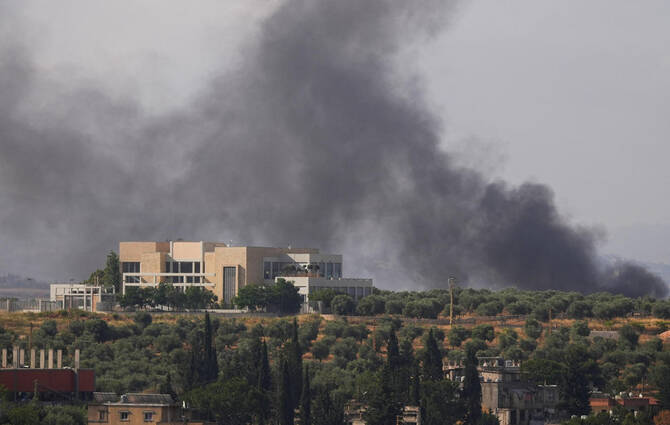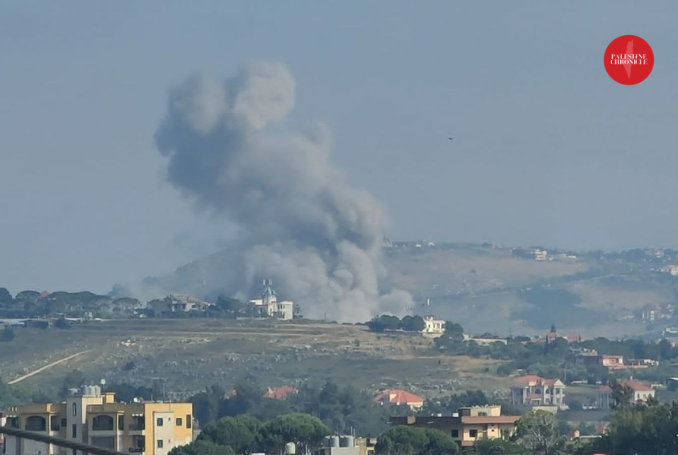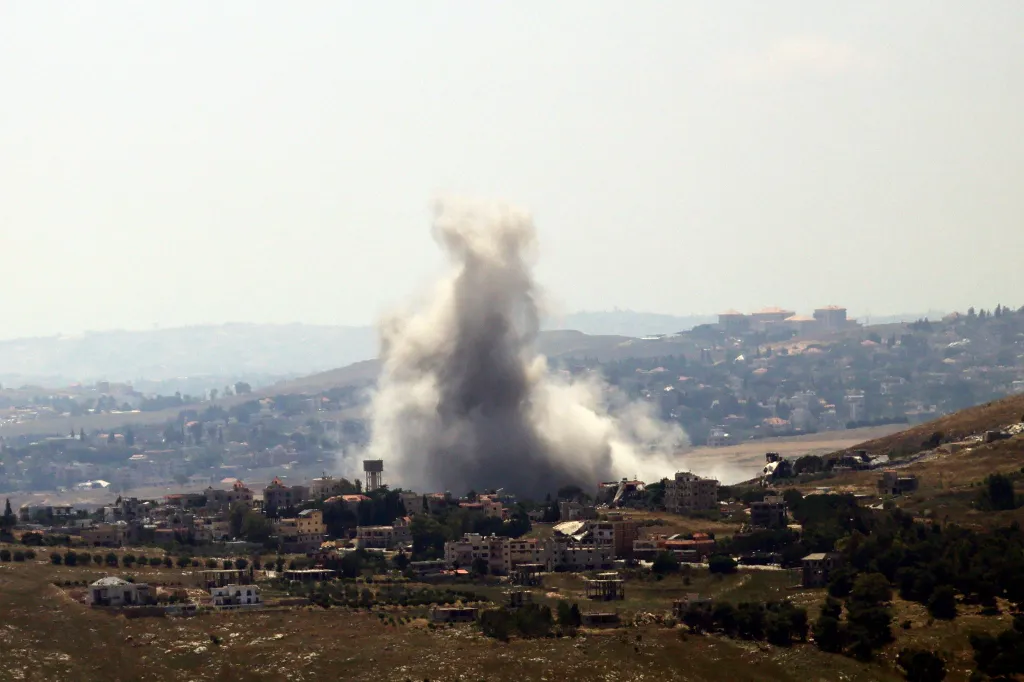
The Israel Defense Forces (IDF) declared on Saturday that they conducted strikes on more than 70 Hezbollah targets across Southern Lebanon, resulting in the elimination of several terrorists. These extensive military actions, which included targeting a wide array of Hezbollah infrastructure and rocket launchers, show the ongoing tensions in the region. This significant military operation coincides with an impending agreement concerning the strategically vital Strait of Hormuz and Iran's nuclear program, a development that has drawn considerable attention from international observers. President Trump stated on Truth Social that a deal is "scheduled to get signed tomorrow," adding a definitive declaration that, "immediately after it is signed, the Hormuz Strait is OPEN TO ALL." The former president did not provide further details regarding the specific parties involved in the deal or its precise nature, leaving many questions unanswered about the intricacies of the agreement.
Israeli Military Action in Lebanon
In a clear indication of the anticipated scale of their operations, more than 20 Lebanese towns received evacuation notices before Israeli forces began pounding Hezbollah infrastructure and rocket launchers in Southern Lebanon. This preemptive measure notes the intensity of the Israeli military's campaign against Hezbollah. The Israel Defense Forces (IDF) claimed a soldier fighting for the Lebanese Armed Forces was seriously wounded by an Israeli drone attack, adding another layer of complexity to the already volatile situation along the border. The IDF's operations are part of a broader effort to degrade Hezbollah's capabilities and deter future aggression.
Israeli forces continue to scan a massive Hezbollah tunnel system located near the strategically significant Medieval era Beaufort Castle. The IDF had previously seized Beaufort Castle on May 31, securing a key vantage point in the area. This tunnel network represents a significant threat, allowing Hezbollah operatives to move undetected and launch attacks. Earlier in the week, Hezbollah terrorists attempting to emerge from these sophisticated tunnels were killed, demonstrating the IDF's vigilance and operational effectiveness in countering this specific threat. The ongoing efforts to neutralize the tunnel system are key for Israeli security, given the potential for infiltration and cross-border attacks. The discovery and subsequent actions against these tunnels show the persistent and multifaceted nature of the conflict in Southern Lebanon.
US Nears Landmark Iran Agreement
President Trump announced that an agreement with Iran, designed to reopen the Strait of Hormuz and curb the country’s nuclear weapons program, is scheduled to be finalized on Sunday. This announcement signals a potentially significant shift in regional dynamics and international relations concerning Iran. Trump claimed the Iranian regime no longer seeks a nuclear weapon, a pronouncement that, if true, would represent a major diplomatic breakthrough. The deal, described as a Memorandum of Understanding with the Islamic Republic, would initiate a 60-day cease-fire. This period is intended to allow both sides to resolve outstanding issues concerning Iran’s nuclear program, providing a critical window for detailed negotiations and confidence-building measures. Senior Trump administration officials stated that the agreement would involve the United States progressively lifting sanctions on Tehran as Iran takes concrete steps to dismantle its nuclear program. This phased approach aims to ensure compliance and build trust between the parties involved, with the ultimate goal of preventing Iran from developing nuclear weapons while reintegrating it into the global economy. The potential lifting of sanctions could have profound economic implications for Iran, offering a pathway to recovery after years of international isolation.
Israeli Security Fears and Exclusion
Israeli leaders are reportedly concerned about the potential deal, fearing it could leave their security concerns unaddressed. This apprehension stems from a deeply rooted distrust of the Iranian regime and its regional activities. Israel claims it has been excluded from the negotiating process between the United States and Iran, a situation that has reportedly caused significant frustration within the Israeli government. Israeli officials have expressed worry that the agreement might restrict their operational freedom in Lebanon, particularly concerning their ongoing efforts to counter Hezbollah, which is heavily backed by Iran. The perceived lack of consultation in a deal with such broad implications for regional security is a major point of contention for Jerusalem.
Further concerns among Israeli officials relate to the potential financial implications of the deal. They worry that the agreement could inject billions of dollars into the Iranian regime's treasury, providing a substantial economic boost to a government they view as hostile and destabilizing. This financial influx is viewed as particularly problematic by Israeli officials, as it would occur at a moment when they assess the Islamic Republic to be at its weakest point, economically and politically. The infusion of funds, they argue, could empower Iran to further support its proxies, including Hezbollah, and bolster its military capabilities, thereby exacerbating regional instability and directly threatening Israel's security interests. The potential for a strengthened Iran, coupled with perceived limitations on their own defensive actions, forms the core of Israel's objections to the proposed agreement.