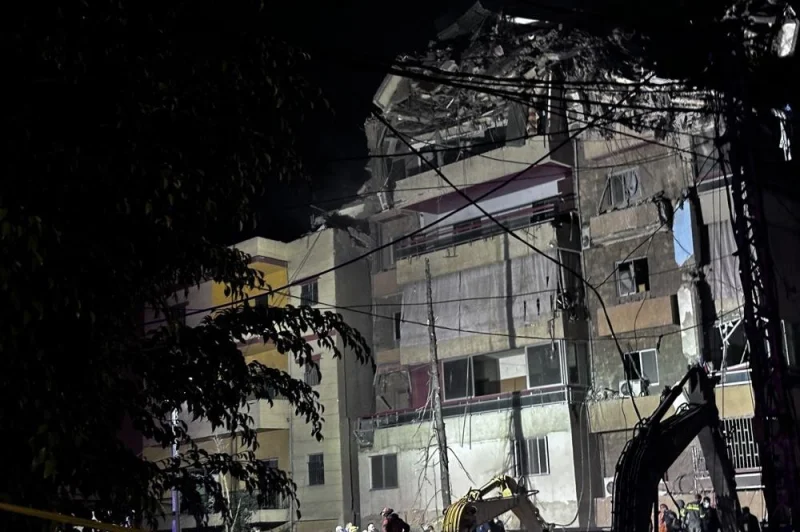
Israel conducted an airstrike Wednesday on a residential building in Beirut's southern suburbs, reportedly targeting a commander of Hezbollah’s elite Radwan Forces. This specific operation marked a significant escalation. Israeli authorities and officials, including Prime Minister Benjamin Netanyahu and Defense Minister Israel Katz, claimed the strike killed Hezbollah Radwan commander Malek Balout, his deputy, and several other members of the force. Officials stated unequivocally that they ordered the strike specifically to assassinate Balout. Prime Minister Netanyahu and Defense Minister Katz asserted that "no terrorist has immunity" and pledged to "keep the government's promise to restore security for Israel's northern residents." The strike took place in Haret Hreik, a densely populated neighborhood within the Lebanese capital's southern suburbs. This incident was the first attack near the Lebanese capital since the start of a U.S.-brokered ceasefire last month, and also the first strike on Beirut since the April 17 cessation of hostilities.
Details of the Beirut Strike
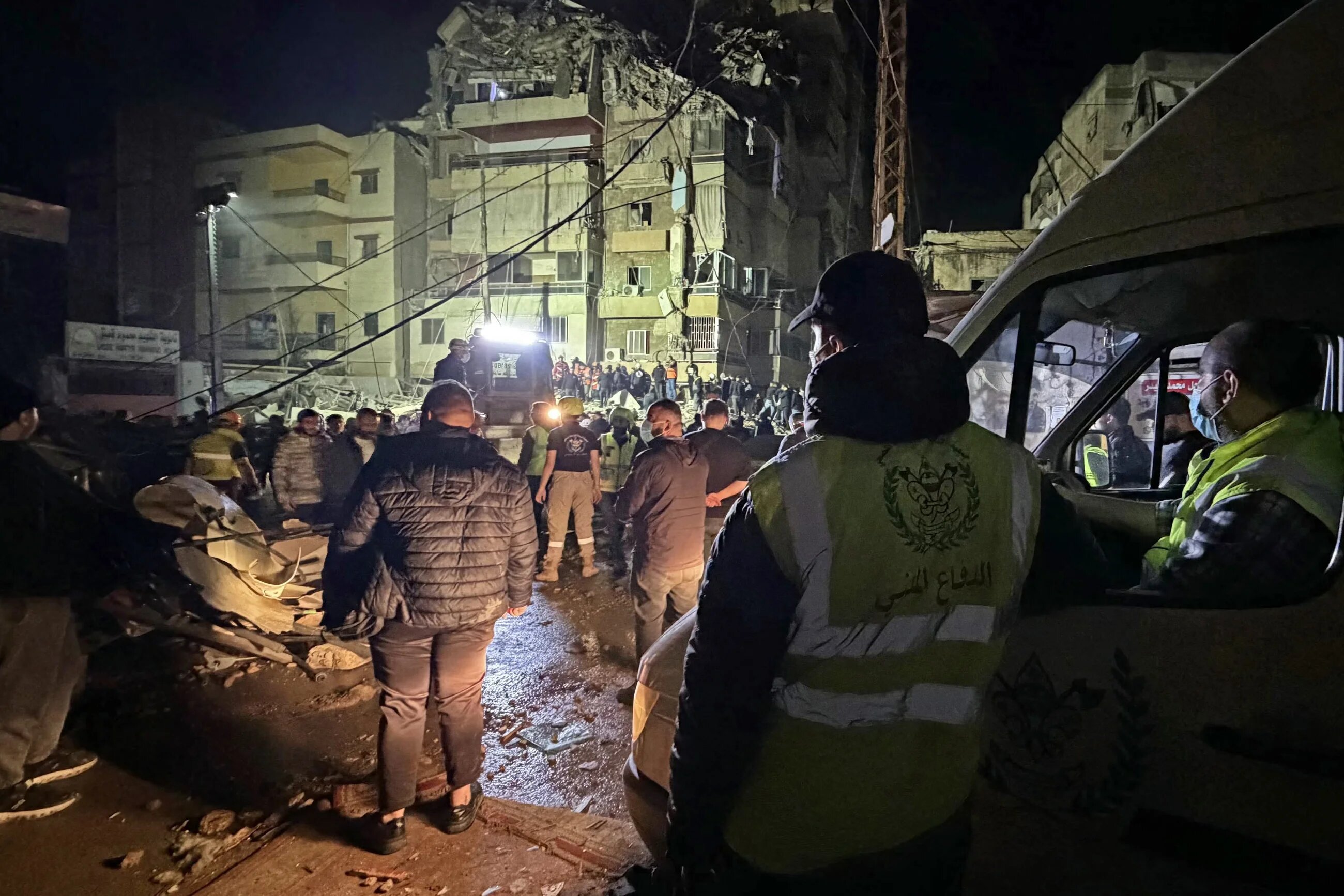
Wednesday night's strike in Haret Hreik involved three missiles hitting an apartment in a residential building, causing significant damage and alarm among residents. Local officials reported that the airstrike killed at least one person, though the full extent of casualties was still being assessed. The targeted residential building is situated in a civilian area, raising concerns about the impact on non-combatants. The incident prompted hundreds of residents in Beirut's southern suburbs to flee the area, moving on foot and in cars, seeking safety from potential further attacks. Eyewitnesses described scenes of panic and rapid evacuation as the sound of explosions echoed through the night. The swift departure of so many families showed the immediate fear generated by the strike in the heart of the capital.
Reports indicated that the targeted commander, Malek Balout, led a force responsible for firing rockets at northern Israel and harming Israeli soldiers. This claim was central to the Israeli justification for the targeted assassination. According to Israeli websites, Balout had been leading the Radwan force since January 2024, a relatively recent appointment to the high-profile command. His predecessor, Wissam al-Tawil, was also killed prior to this strike, noting a pattern of Israeli operations against high-ranking Hezbollah commanders. Several top Radwan Force commanders have been killed since the 2023 war, according to various reports, indicating a sustained effort by Israel to dismantle the leadership of this elite unit. The Radwan Forces are considered Hezbollah's special operations unit, known for their training and capabilities. The loss of another commander like Malek Balout represents a significant blow to the organization's operational structure, according to Israeli military assessments.
Broader Context of Hostilities
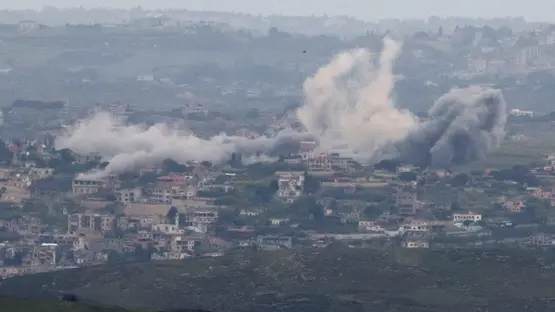
The broader conflict began when Hezbollah initiated a support front for Gaza following the outbreak of hostilities in the region. This decision by Hezbollah led to a significant escalation along the Israel-Lebanon border and into Lebanese territory. On April 8, Israel carried out 100 strikes within 10 minutes in the heart of the Lebanese capital and across the country, claiming to have killed 300 Hezbollah members in a massive coordinated assault. The intensity of these strikes on April 8 resulted in widespread devastation. On that single day, at least 376 people were killed across Lebanon, among them 31 children and 99 women, illustrating the severe human cost of the conflict. Additionally, 1,223 individuals were injured, including 154 children and 378 women, further noting the extensive civilian impact of these operations.
Since renewed hostilities between Israel and Hezbollah commenced, Israeli attacks across Lebanon have resulted in the deaths of more than 2,700 people and have injured over 8,310 individuals. These figures show the severe and ongoing humanitarian crisis in Lebanon. Lebanon's Disaster Management Unit reported that more than 31,530 families have been displaced into collective shelters since the escalation began on March 2. This mass displacement places immense strain on resources and infrastructure, creating a dire situation for tens of thousands of Lebanese citizens. The continuous cycle of violence has severely impacted civilian populations, leading to widespread suffering and instability. The scale of displacement and casualties reflects the intensity and broad geographical reach of the conflict, extending far beyond the immediate border areas.
Diplomatic and Political Ramifications
The recent airstrike marked the first attack near the Lebanese capital since a U.S.-brokered ceasefire began last month, and also the first strike on Beirut since the April 17 cessation of hostilities. This timing is particularly sensitive given ongoing diplomatic efforts. Reports indicated that the attack transpired despite U.S. President Donald Trump requesting Prime Minister Netanyahu to halt striking Beirut and targeting residential buildings. This direct request from a key international ally notes the diplomatic pressure on Israel regarding its military operations in Lebanon, especially concerning civilian areas. The incident occurred as Lebanon prepares for a third meeting with Israel, scheduled for next week in Washington. This upcoming meeting is aimed at paving the way for direct negotiations to end the war and reach a peace deal, making the timing of the strike particularly disruptive to diplomatic progress. The attack threatens to derail these fragile peace initiatives, complicating efforts to de-escalate the conflict and find a lasting resolution. The international community watches closely to see how this strike will impact future negotiations and the stability of the region. The larger article containing this section was updated on May 6, 2026, at 6:38 p.m. EDT. The full article is 324 words long.