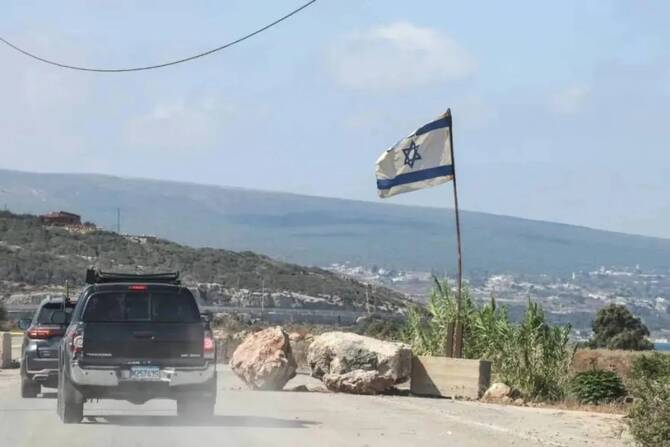
The Israeli military has imposed new restrictions on movement in and out of three Christian towns in southern Lebanon, prompting concern among local populations and drawing international attention. Residents of Rmeish, Debel, and Ain Ebel, all located in the Bint Jbeil district, are now required to register their vehicles and submit details of all travelers before entering or leaving their communities. This measure by the Israeli military specifically targets these three Christian towns in southern Lebanon, introducing a new layer of control over civilian movement.
The measure, confirmed by local officials, marks a significant change to daily life for inhabitants of these southern Lebanese towns. These stringent regulations directly affect the ability of residents to travel freely within the district and manage their livelihoods, which often depend on movement between villages and access to external services. The restrictions have raised questions about their humanitarian impact and the broader implications for the stability of the border region.
Navigating the New Restrictions
Residents of the affected towns must now travel in prearranged convoys along a single designated route through Naqoura. This structured travel system is a direct consequence of the new Israeli military directives, fundamentally altering how people commute and conduct their daily affairs. The necessity of traveling in convoys introduces significant delays and logistical challenges for individuals and families alike.
Relief and medical supplies arriving from other parts of Lebanon are also transported in these tightly controlled convoys, which are escorted by the United Nations Interim Force in Lebanon (UNIFIL). This arrangement ensures that essential aid can still reach the communities, albeit under strict supervision. At least one convoy, comprising several cars or buses, departs from one of the three Christian towns each day, providing a limited window for residents to enter or exit. These convoys are a critical lifeline, facilitating the movement of people and goods under the prevailing restrictions.
The convoys are organized collaboratively by the Lebanese army and UNIFIL, noting the multinational effort required to manage movement in this sensitive area. These convoys are required to take the coastal road south of Tyre to reach Naqoura before proceeding to the Christian towns in the Bint Jbeil district. This specific routing adds considerable travel time and complexity to journeys that were once straightforward. The Lebanese army escorts the convoys as far as Qlayleh, which is approximately 15 kilometers from the Israeli border, providing security and oversight during the initial leg of the journey. After reaching Qlayleh, UNIFIL vehicles then accompany the convoys the rest of the way to their respective villages, ensuring their safe passage through the final stretch of the controlled zone.
For those wishing to travel, individuals must register their vehicles and provide UNIFIL with their personal details in advance. This mandatory registration process is a prerequisite for inclusion in the convoys, requiring residents to plan their movements meticulously. As part of the coordination with Israeli forces to facilitate their passage, travelers' identities are meticulously checked, and their vehicles are thoroughly searched. This rigorous inspection process shows the security concerns cited by Israeli authorities for implementing these measures. The detailed scrutiny of individuals and vehicles aims to maintain a high level of control over who and what enters and exits the restricted areas, significantly impacting the privacy and autonomy of the residents.
Broader Context of Conflict and Destruction
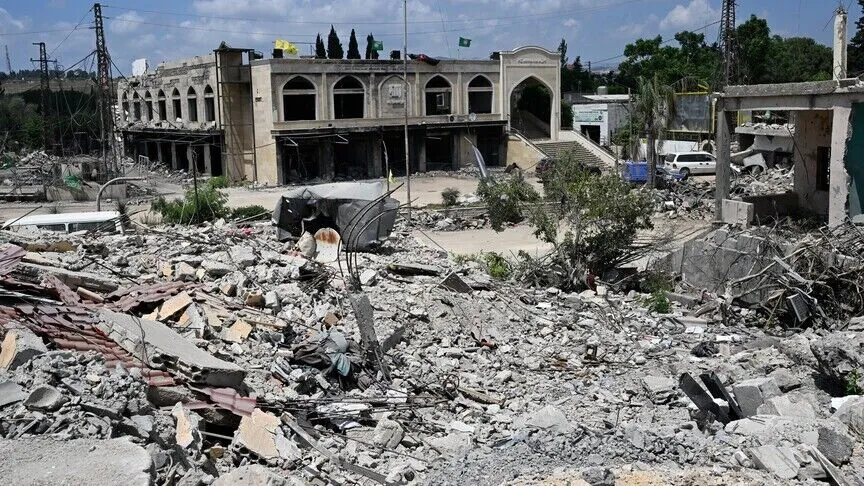
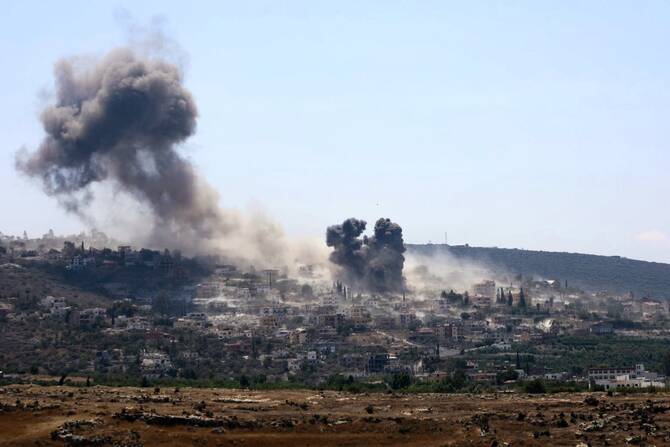
These localized restrictions are set against a backdrop of escalating military activities and significant infrastructural damage in southern Lebanon. Israeli forces erected an earth mound on Tuesday near the Deir Mimas-Burj al-Mulouk-Kfar Kila junction, positioned approximately 150 meters from inhabited homes in Burj al-Mulouk. This physical barrier represents a tangible manifestation of the increased military presence and territorial control being exerted. This action occurred as Israeli forces continued bulldozing towns inside the designated “yellow line,” systematically destroying homes in the process. The "yellow line" refers to an unofficial buffer zone that has seen extensive Israeli military operations.
The systematic destruction of homes within this zone has led to widespread displacement and humanitarian concerns. Trucks carrying crates filled with explosives have been observed traveling alongside Israeli patrols in recent days, according to reports. The presence of such materials indicates a heightened state of readiness for military engagements and raises fears among local populations about potential future escalations.
In the border town of Mais al-Jabal, the scale of destruction is particularly stark, with more than 5,000 homes and commercial properties having been destroyed. This extensive damage has left a significant portion of the town's infrastructure in ruins, severely impacting its economy and the livelihoods of its residents. A school complex consisting of prefabricated buildings, established with assistance from the Iraqi government, was among the latest structures to be demolished. The destruction of educational facilities further compounds the humanitarian crisis, disrupting schooling for children and undermining efforts to provide basic services. Separately, Israeli military vehicles fired machine guns toward the outskirts of Haris in the Bint Jbeil district, indicating ongoing skirmishes and the widespread threat of violence in the area.
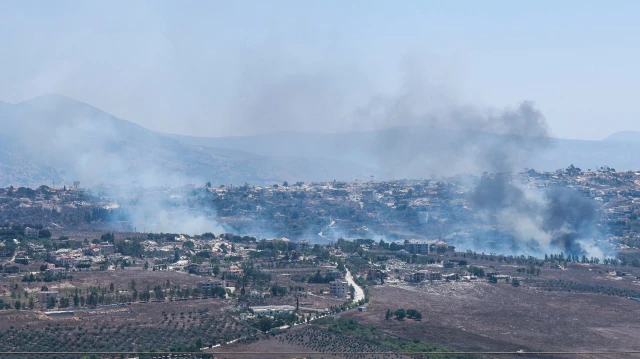
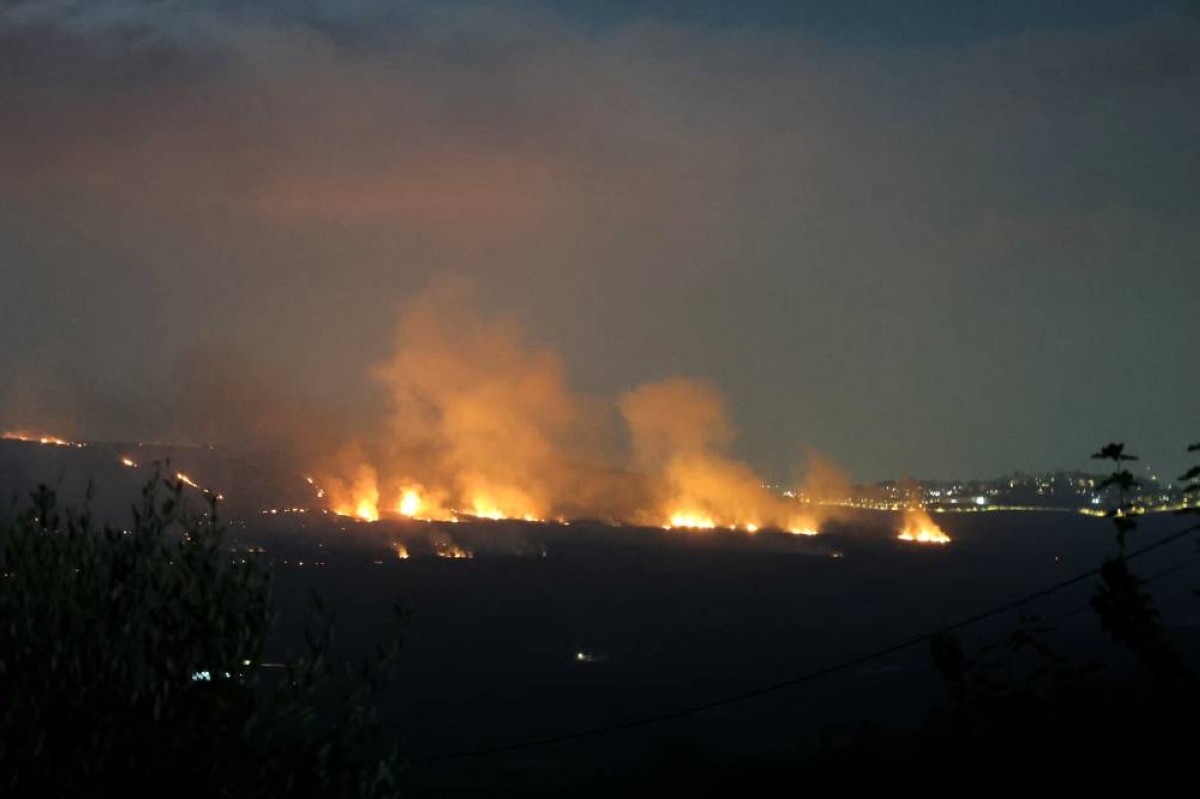
Lebanon’s state-run National News Agency (NNA) reported that Israeli forces had intensified attacks on villages in the western sector of the Tyre district. This intensification of military operations suggests a broadening of the conflict zone beyond the immediate border areas. Aircraft carried out two strikes on Mansouri and another strike on Wadi Hassan in Tayr Harfa, causing further damage and alarm among residents. Large-scale demolitions were reported in Mansouri and Majdal Zoun, indicating a pattern of systematic destruction affecting multiple communities. Israeli artillery shelled the towns of Ainata and Beit Lif, both located in the Bint Jbeil district, adding to the toll of damaged infrastructure and displaced populations. Warplanes also struck Mansouri and Wadi Hassan on the outskirts of Tayr Harfa, situated southeast of Tyre, showing the aerial dimension of the ongoing military actions. These repeated strikes and demolitions contribute to an atmosphere of fear and instability, making it increasingly difficult for civilians to live safely and rebuild their lives.
Diplomatic Appeals and Unequal Measures
These measures, specifically the movement restrictions and convoy requirements, apply exclusively to Christian villages within the Bint Jbeil district, namely Rmeish, Debel, and Ain Ebel, according to reports. This selective application of restrictions has drawn particular scrutiny. The restrictions do not extend to Christian communities located in the neighboring Marjayoun district, indicating a geographically specific enforcement of the new rules. This disparity raises questions about the criteria for implementing such stringent controls and their potential impact on inter-community relations.
The Vatican, through its ambassador to Lebanon, has formally requested that the United States intervene to prevent Israel from imposing further limitations on the movement of residents in these Christian villages. This diplomatic appeal notes international concern over the impact of the restrictions on civilian populations and shows the humanitarian implications of these policies. The Vatican’s involvement indicates a recognition of the unique vulnerabilities faced by these Christian communities and the need for international advocacy to protect their rights and freedom of movement.
In contrast to the Bint Jbeil district, residents and visitors are permitted to travel freely between the Marjayoun district towns of Qlayaa, Jdeidet Marjayoun, Burj al-Mulouk, and Deir Mimas. This disparity in movement regulations shows the varied application of Israeli measures across different areas of southern Lebanon, creating a complex and often confusing patchwork of rules for residents. While these communities in the Marjayoun district enjoy greater freedom of movement, they face their own set of restrictions. They are explicitly barred from hosting individuals displaced from nearby villages and towns. This policy limits the capacity of these areas to provide refuge for those affected by ongoing hostilities, potentially exacerbating the displacement crisis and preventing families from seeking safety with relatives or in more secure locations.
Journalists visiting the region are also subject to specific prohibitions, particularly concerning photography. Reports indicate that members of the press are strictly forbidden from photographing the nearby town of Khiam, suggesting sensitivity around visual documentation of that particular area. This restriction on media coverage raises concerns about transparency and the ability of independent observers to report fully on the situation on the ground. The combined effect of these varied restrictions, from civilian movement to humanitarian aid and media access, paints a picture of a region under tight military control, where the daily lives of residents are profoundly impacted by ongoing conflict and security measures.