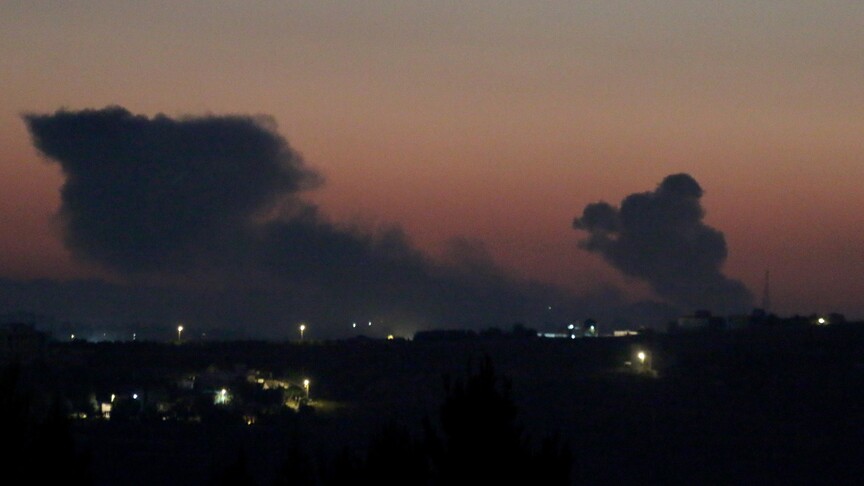
Israeli strikes hit southern and eastern Lebanon on Sunday, following a raid on Sir al-Gharbiyeh on Saturday that killed 11 people and wounded nine others, according to Lebanon’s health ministry. The casualties in Sir al-Gharbiyeh included a child and six women killed, with four children and a woman among the wounded. This incident, occurring in the village of Sir al-Gharbiyeh, shows the severe human cost of the ongoing hostilities. An attack on Lebanon by Israel threatens to escalate tensions in the region, reports indicated, raising concerns about a broader conflict. The recent Israeli military actions have been met with strong condemnation from Lebanese officials and have further destabilized an already volatile border area.
The US secretary of state, Marco Rubio, accused Hezbollah on Sunday evening of trying to plunge Lebanon "back into chaos" and stated the group was "actively trying to drag Lebanon back into chaos and destruction." Rubio further described Hezbollah's actions as a "reckless call to overthrow Lebanon’s democratically elected government," emphasizing the perceived threat to Lebanon's political stability. This strong denunciation from a senior US official notes international concerns regarding Hezbollah's role in the conflict. Israel's military continues to strike what it says are Hezbollah targets in Lebanon, asserting its right to self-defense against perceived threats emanating from Lebanese territory. These strikes often target infrastructure and alleged operational sites used by the group.
Escalating Border Clashes and Military Operations
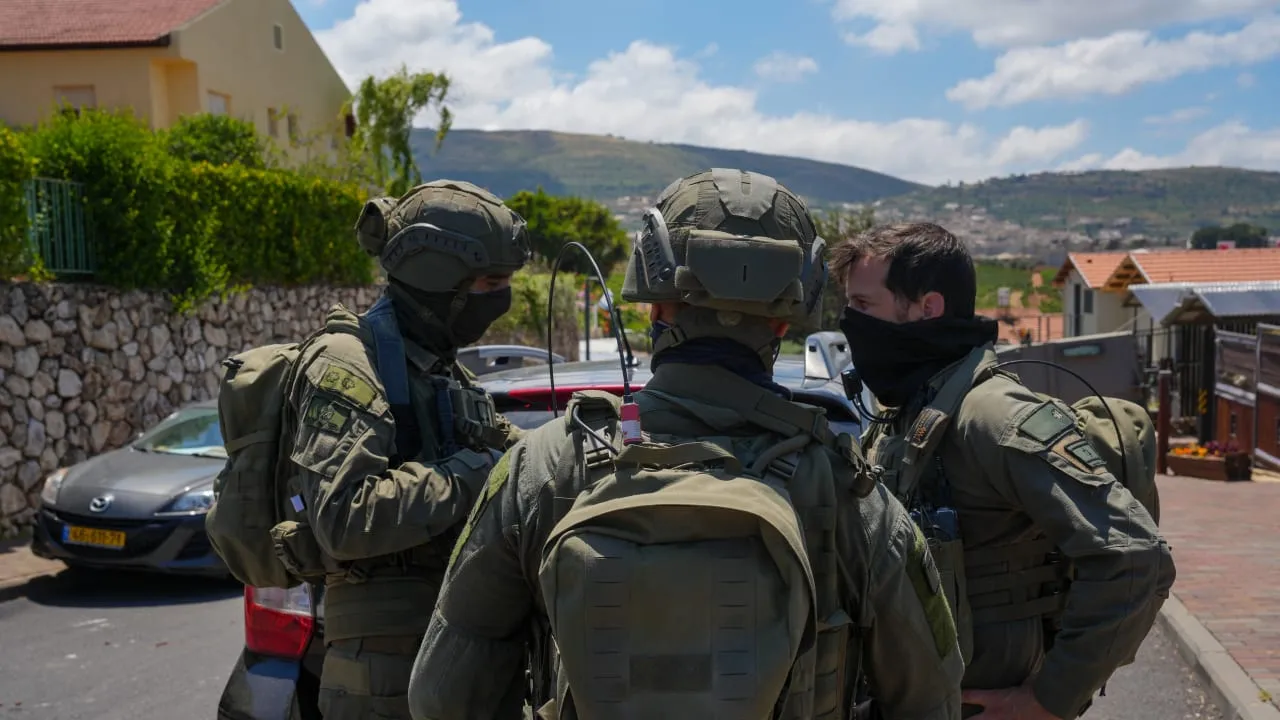
Hezbollah has maintained attacks on Israeli targets both within southern Lebanon and across the border into Israel. These persistent attacks contribute to the cycle of violence and retaliation that characterizes the current conflict. On Sunday, Hezbollah forces fired rockets at Israeli troops who were operating on Lebanese territory. This direct engagement with Israeli forces inside Lebanon marks a significant escalation. These raids occurred before Israeli military warnings were issued for the evacuation of more than a dozen villages in southern Lebanon and the eastern Bekaa valley, suggesting a heightened state of alert and potential for further military action. The evacuation orders displace thousands of civilians, adding to the humanitarian impact of the conflict.
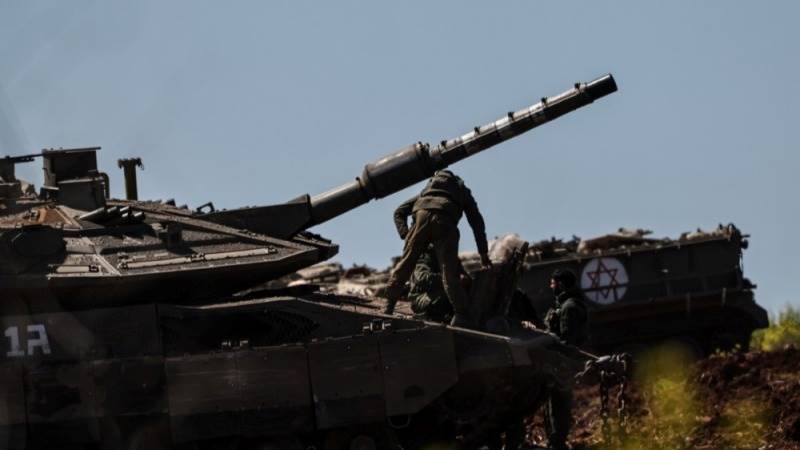
Israeli troops are currently operating inside an Israeli-declared "yellow line," which extends approximately six miles (10km) into Lebanon’s southern border. This operational zone, unilaterally established by Israel, allows its forces to conduct operations deeper within Lebanese territory than previously observed. The presence of Israeli forces inside Lebanese territory marks a significant development in the ongoing hostilities, challenging Lebanon's sovereignty and further complicating efforts to de-escalate the situation. The establishment of such a zone is viewed by many as a provocative act, increasing the risk of direct confrontation between the two sides.
A ceasefire in the conflict between Israel and Hezbollah initially began on April 17. The agreement aimed to halt the intense exchanges of fire that had been ongoing for weeks, providing a brief respite from the daily bombardments. This ceasefire was recently extended for several weeks, indicating an attempt to de-escalate the situation, despite the continued military actions reported by both sides. The extension of the truce shows the fragility of the security situation along the border, even as skirmishes persist and both parties continue to engage in military operations. The terms of the ceasefire, published by Washington, notably include a provision that Israel reserves the right to act against “planned, imminent or ongoing attacks,” allowing for continued defensive operations.
Diplomatic Maneuvers and Regional Dynamics
Hassan Fadlallah, a Hezbollah lawmaker, stated on Sunday that “major transformations are taking place in the region.” Fadlallah also claimed that Iran “has made its agreement with the United States conditional on stopping the war in Lebanon,” suggesting a direct link between the broader regional power dynamics and the local conflict. This statement from a prominent Hezbollah figure indicates the group's perception of its role within a larger geopolitical struggle. On Saturday, Hezbollah announced that its chief, Naim Qassem, had received a message from Iran’s foreign minister, Abbas Araghchi. The message from Araghchi reportedly emphasized Iran’s proposal to include Lebanon in a broader ceasefire, signaling Iran's interest in a full de-escalation that encompasses its allies. Naim Qassem expressed hope for such an outcome, stating, "God willing, this agreement will be finalised and there are signs of its completion, and accordingly that we too will be among those included in this agreement – an agreement of a full cessation of hostilities." Qassem's remarks show the aspiration for a lasting peace, even amidst ongoing hostilities.
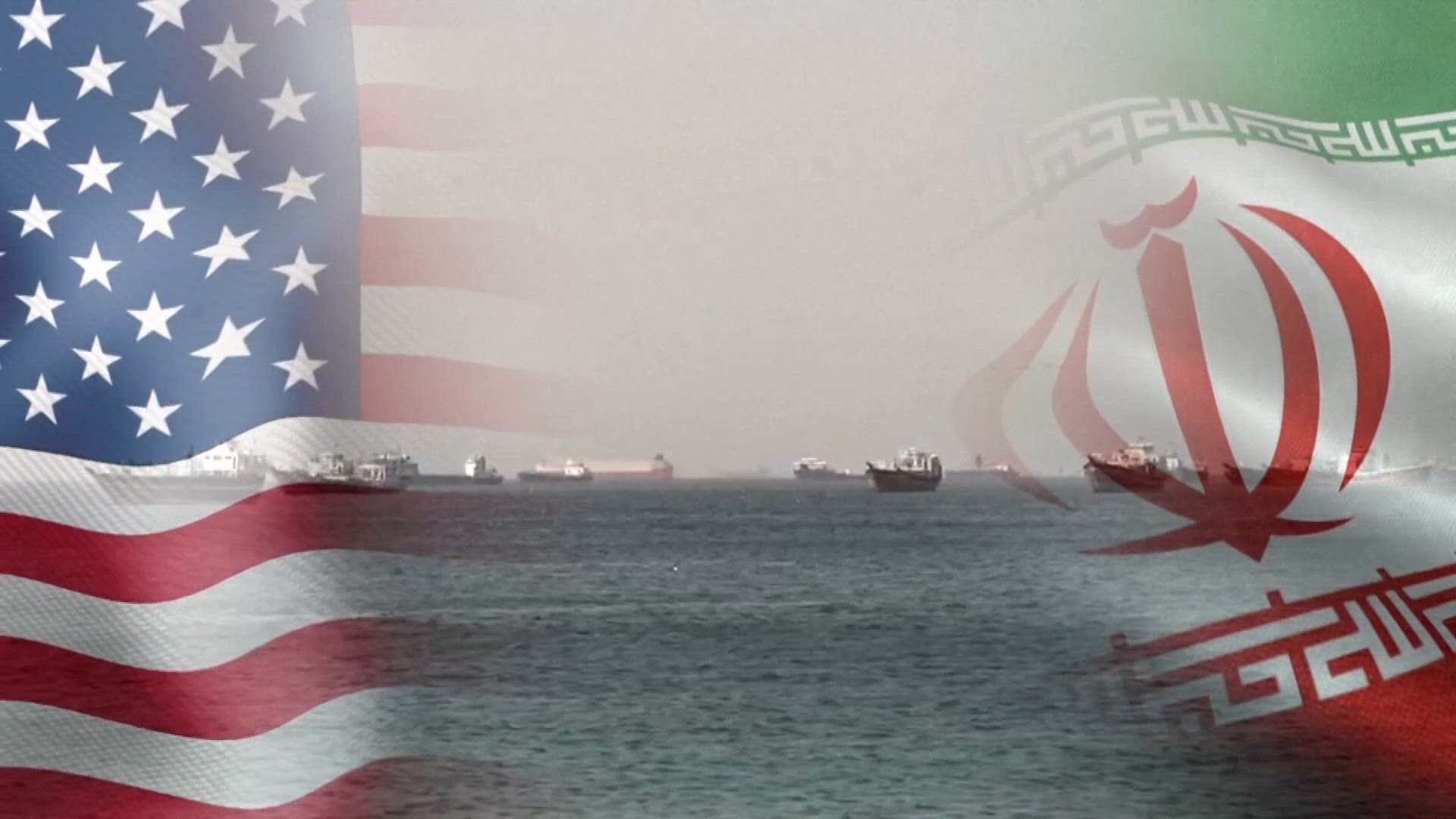
Lebanese authorities have begun direct talks with Israel under the auspices of the United States. These discussions represent a key diplomatic channel aimed at resolving the conflict and preventing further escalation. However, Lebanese authorities insist these discussions must remain independent from ongoing Iran-US negotiations, noting their desire to maintain national agency in peace efforts. The U.S. And Iran continue to exchange fire, complicating broader diplomatic efforts and creating a challenging backdrop for any peace initiatives in the region. The interconnectedness of these conflicts means that progress on one front often impacts others, making full solutions difficult to achieve.
Background and International Reactions
Hezbollah drew Lebanon into the broader Middle East conflict on March 2, according to reports. This action marked a significant turning point, integrating the Lebanese front into a wider regional confrontation. The war began when rockets were fired at Israel in retaliation for the killing of Iran’s supreme leader, an event that dramatically heightened tensions across the Middle East. Under the ceasefire terms published by Washington, Israel retains the right to act against "planned, imminent or ongoing attacks," providing a framework for its continued military operations even during periods of supposed truce. US Secretary of State Marco Rubio denounced Hezbollah’s actions, calling them a "reckless call to overthrow Lebanon’s democratically elected government." Rubio’s statement noted concerns about the group’s influence on Lebanon's political stability and its potential to undermine democratic institutions. The international community continues to monitor the situation closely as regional tensions persist, with many nations urging de-escalation and a diplomatic resolution to prevent further loss of life and wider regional destabilization. The intricate web of alliances and rivalries in the Middle East means that any escalation in one area can quickly spill over, making the current situation in Lebanon a point of significant international concern.