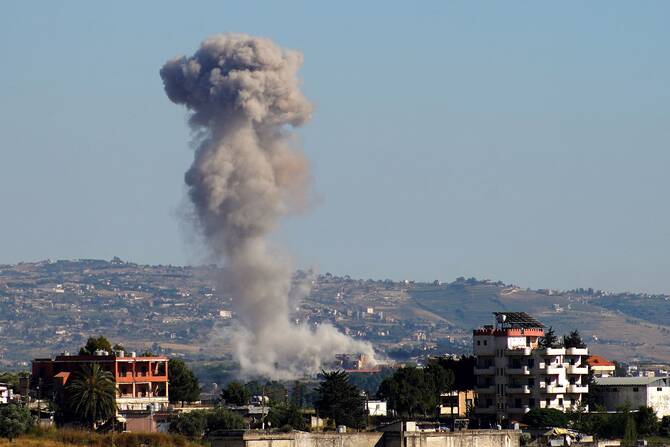
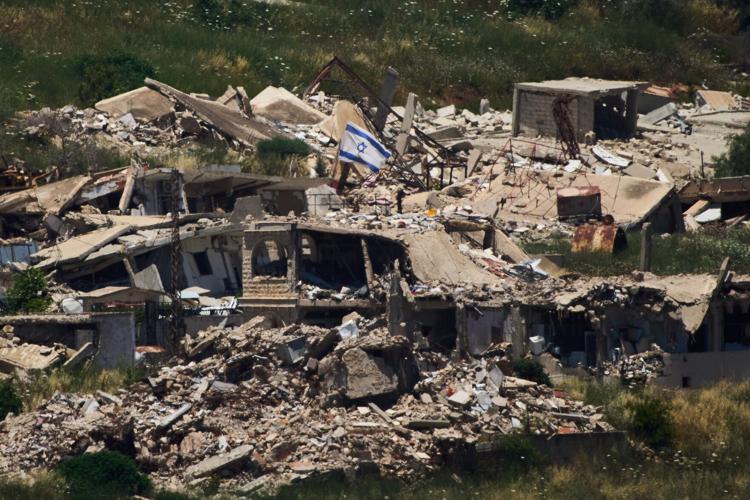
Israel's air force conducted strikes across southern Lebanon on Friday and Tuesday, May 19, 2026, targeting areas including Nabatieh and Tyre districts. These operations reportedly resulted in the deaths of nine people and injuries to 29 others. The Israeli air force struck different parts of southern Lebanon on both Friday and Tuesday, May 19, 2026, intensifying concerns about the regional conflict. Among the fatalities, two women were killed in a strike in Nabatieh, while another five individuals died in the nearby village of Kfar Sir, according to reports. A further nine people were killed and 29 injured in Israeli air strikes on Nabatieh and Tyre districts. Specifically, two women were among four people killed in a strike in Nabatieh, and another strike in the nearby village of Kfar Sir killed five people. Lebanon's state news agency stated that six people were killed in total, indicating a discrepancy in casualty figures reported by various sources. These strikes represent a significant escalation in the ongoing regional tensions, contributing to a climate of instability and fear among the civilian population. The precise targeting of these areas shows the strategic nature of the Israeli operations, aiming at specific locations within southern Lebanon.
The strikes occurred a day after the Hezbollah militant group rejected the latest ceasefire agreement proposed between Israel and the Lebanese government. Hezbollah has demanded a complete Israeli withdrawal from Lebanon, according to reports, making such a withdrawal a key condition for any cessation of hostilities. Their stance emphasizes a non-negotiable demand for the full cessation of Israeli presence in Lebanese territory as a prerequisite for peace. Following the military actions, hundreds of families were forced to flee their homes in the village of Anqoun and the area of Aarnaya, seeking safety from the ongoing bombardment. This displacement notes the immediate humanitarian impact of the military operations on civilian populations in southern Lebanon. The rapid exodus of residents from these areas shows the direct threat perceived by communities caught in the crossfire, leading to significant internal displacement within the country. The ongoing military engagements have thus created a severe humanitarian crisis, forcing countless individuals to abandon their livelihoods and seek refuge elsewhere.
Escalation Follows Ceasefire Rejection
The Israeli military issued evacuation warnings for nine villages following the recent strikes, advising residents to leave their homes in anticipation of further military activity. This measure suggests an expectation of continued or intensified military operations in these specific localities. Lebanon’s Parliament Speaker Nabih Berri criticized the proposed ceasefire agreement, specifically its creation of “pilot zones,” which he views as problematic. Mr. Berri's objection to these zones indicates a concern that they might infringe upon Lebanese sovereignty or establish precedents that could be detrimental to the nation's long-term security and territorial integrity. Mr. Berri also criticized calls for a unilateral ceasefire by Hezbollah and its withdrawal from border areas south of the Litani River. He stated he would accept Hezbollah’s withdrawal from the areas south of the Litani River if it coincided with the withdrawal of Israeli troops from southern Lebanon, emphasizing the need for a reciprocal and full agreement. This conditional acceptance by Speaker Berri notes a desire for a balanced resolution, where any concessions made by Hezbollah are met with equivalent actions from the Israeli side. The Litani River is located approximately 30 kilometers (20 miles) north of the border with Israel and forms the boundary of a 2006 U.N.-established buffer zone where Hezbollah is prohibited. This geographical and historical context is key for understanding the sensitivities surrounding military presence in the area. Reports indicate Israeli troops have pushed past the Litani River into southern Lebanon, a development that complicates the existing buffer zone arrangements and further escalates tensions. The reported breach of the buffer zone by Israeli forces represents a significant challenge to the international agreements designed to maintain peace and stability in the region.
The Israeli military stated it struck 'a Hezbollah terrorist in a structure used for military purposes' in the area, providing a rationale for its targeting. This justification points to Israel's operational doctrine of targeting individuals and infrastructure it identifies as directly involved in militant activities. The military announced it had struck more than 25 Hezbollah infrastructure sites in southern Lebanon over the previous 24 hours, detailing the scale of its operations against the group. This extensive campaign against Hezbollah's infrastructure suggests a concerted effort to degrade the group's operational capabilities and exert significant pressure. A military spokesperson emphasized that "the strike was carried out in an area evacuated of civilians, while steps were taken to mitigate harm to civilians, including the use of precise munitions and aerial surveillance." This statement shows the Israeli military's claims regarding its operational protocols aimed at minimizing civilian casualties, even amidst intense military activity. Such claims are often scrutinized by international observers and human rights organizations, especially given the reported civilian casualties.
Mr. Berri has called for any ceasefire agreement to be "complete and full" and "without any restrictions or conditions on land, at sea and in the air, and “without bulldozing and demolishing everything that exists,”" reflecting a demand for a broad and unconditional end to hostilities that would restore the pre-conflict status quo. This full demand from Speaker Berri indicates a desire not just for a pause in fighting, but for a full return to normalcy and the complete cessation of all military activities that have impacted Lebanese territory. The Israeli military stated that "The IDF (Israeli Defense Forces) strikes military targets only, in accordance with international law. In addition, the IDF takes extensive measures to mitigate harm to uninvolved individuals during operational activity and invests significant efforts in assessing and considering potential collateral damage throughout all stages of planning and executing strikes." This assertion by the IDF reiterates its commitment to international legal standards and civilian protection during its operations, aiming to project an image of adherence to ethical warfare practices. These statements from both sides highlight the deep ideological and operational divides that complicate any potential peace negotiations.
Hezbollah's Response and Border Clashes
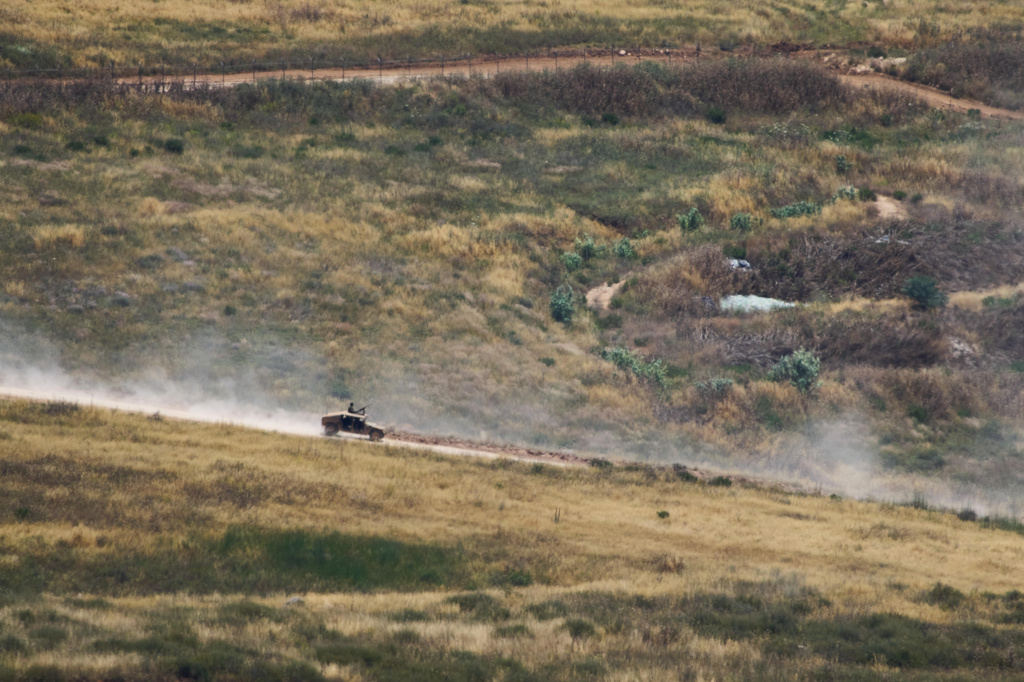
An Israeli soldier was killed on Tuesday during a Hezbollah attack on forces occupying parts of southern Lebanon. This incident notes the ongoing direct confrontations between Israeli forces and Hezbollah militants. The death of an Israeli soldier shows the dangerous and often lethal nature of the skirmishes occurring along the border, demonstrating the direct human cost of the conflict for military personnel. A deputy company commander was among those killed, having been struck by Hezbollah fire while clearing buildings in a southern Lebanese village, illustrating the dangerous nature of the ground operations. This specific detail paints a vivid picture of the close-quarters combat and the inherent risks faced by soldiers engaged in clearing operations within contested territories. Hezbollah fighters reportedly clashed with an Israeli army force attempting to advance towards Haddatha, according to statements from the group, indicating active resistance to Israeli ground movements. This suggests that Hezbollah is actively engaging Israeli ground forces, not merely launching rockets or drones, thereby intensifying the direct military confrontation. Hezbollah further claimed that an Israeli tank was destroyed during the engagement, a claim that, if confirmed, would signify a significant loss for the Israeli military in the ongoing skirmishes. The destruction of an armored vehicle would represent a tactical victory for Hezbollah and a notable setback for Israeli ground operations, potentially impacting future military strategies. Lebanon was drawn into the conflict between Iran, Israel, and the United States on March 2, broadening the scope of the regional tensions and direct military engagements. This date marks a significant escalation in Lebanon's involvement in the wider conflict, transforming what might have been localized border clashes into a component of a larger regional confrontation involving major international powers. The ongoing clashes reflect the volatile and unpredictable nature of the conflict, with both sides actively seeking to gain tactical advantages and inflict losses on the other.
Broader Conflict and Casualties
Since the beginning of the conflict, at least 3,094 people have been killed in Lebanon, according to figures released by the health ministry. This substantial casualty count reflects the severe impact of the hostilities on the Lebanese population. The fatalities include civilians and combatants across various regions affected by the ongoing hostilities, showing the widespread nature of the violence. This toll reflects the cumulative impact of strikes and clashes that have occurred throughout the period, painting a grim picture of the human cost. The health ministry's statistics provide a critical overview of the scale of loss experienced in Lebanon since the conflict's onset, serving as a stark reminder of the devastating consequences of the prolonged violence. The rising death toll notes the urgent need for de-escalation and a lasting resolution to prevent further loss of life and suffering among the civilian population.
On the Israeli side, authorities have reported that 21 soldiers and four civilians have been killed since the conflict escalated. These casualties stem from various incidents, including cross-border fire, clashes, and other military engagements, demonstrating the risks faced by both military personnel and civilians in Israel. The reported deaths highlight the human cost of the sustained confrontation along the border, emphasizing that both sides have suffered losses in the ongoing hostilities. The figures released by Israeli authorities offer insight into the impact of the conflict within Israel's borders, reflecting the toll of the prolonged military engagements. These statistics from both nations show the tragic and reciprocal nature of the violence, where no side remains untouched by the devastating consequences of the conflict. The cumulative casualties from both sides further emphasize the dire need for diplomatic efforts to achieve a durable ceasefire and address the underlying causes of the ongoing regional strife.